
 Save to Pinterest
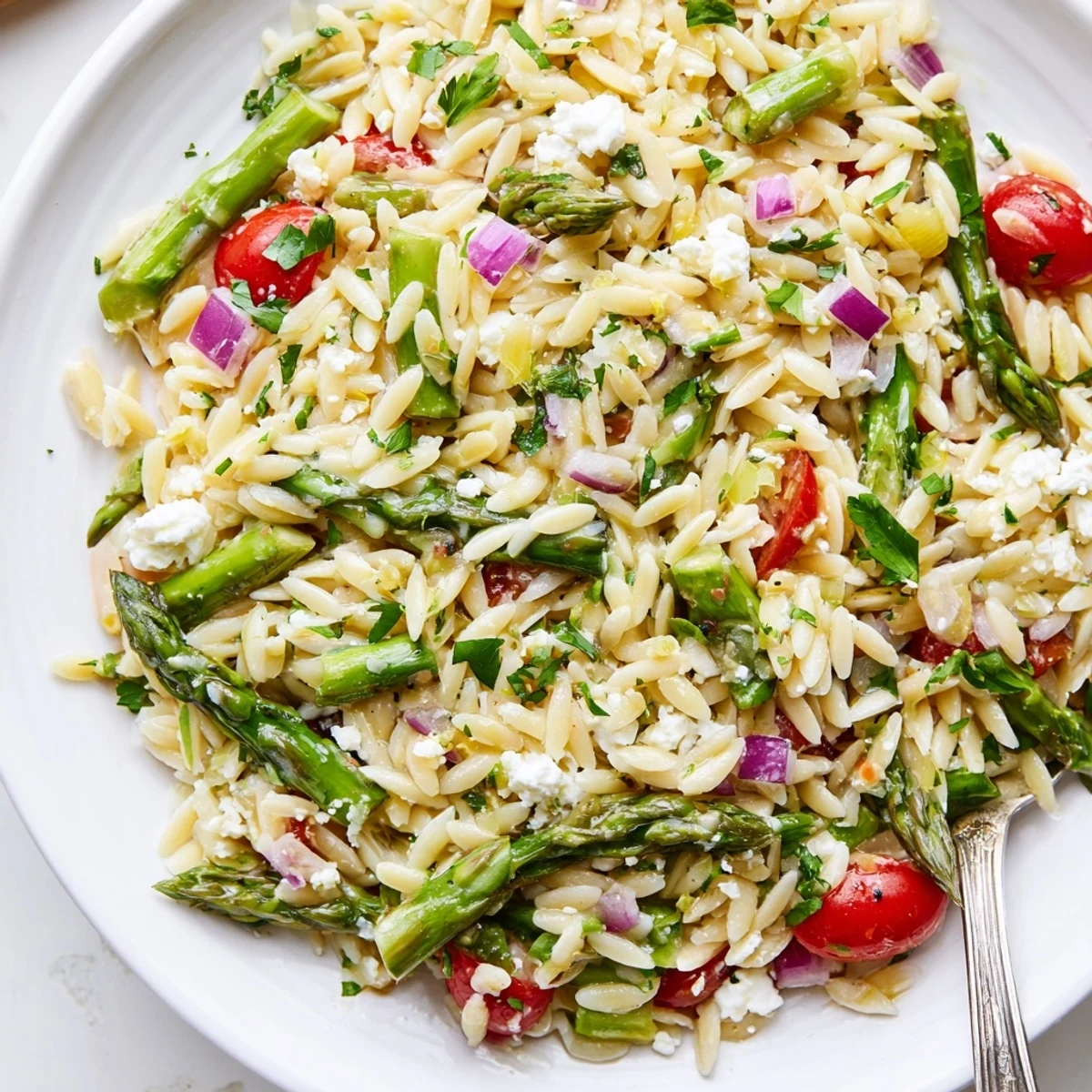
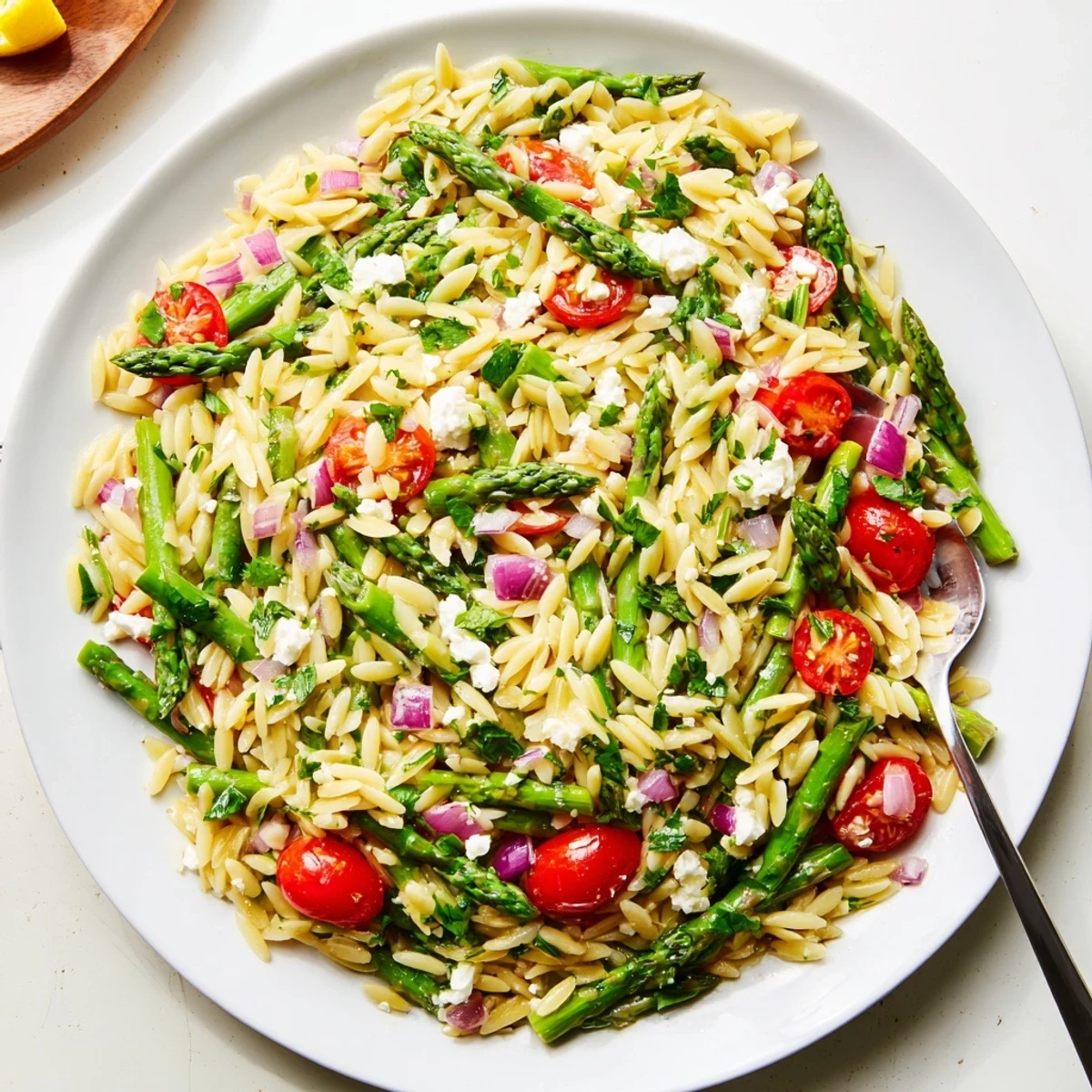
 This spring-ready dish brings tender asparagus and al dente orzo together with halved cherry tomatoes, red onion and chopped parsley, all tossed in a bright lemon vinaigrette. Cook orzo until al dente and add asparagus in the final minutes, then cool quickly to preserve a crisp bite. Fold in crumbled feta if desired. Makes four servings and is ready in about 30 minutes.
Sunlight was pouring through my kitchen window when I first tried making an asparagus orzo salad; the kind of bright day that asks for something crisp and tangy. I remember being surprised by how quickly it came together, and how uplifting the scent of lemon zest and fresh herbs could be while stirring. Chopping the asparagus into perfect little coins turned out to be oddly satisfying, a pleasant rhythm to wake up a lazy spring afternoon. Before I knew it, I’d assembled a bowl full of greens and golds that looked as cheerful as it tasted.
The first time I made this for a potluck, I watched friends keep sneaking spoonfuls straight from the mixing bowl before we even sat down. It started so many conversations—someone always wants to know what makes it taste so bright. My cousin tried to guess every ingredient and missed the Dijon; we all laughed about it. Somehow, the empty bowl was the only evidence this salad had ever been there.
Ingredients
- Asparagus: Fresh is essential here; snap off the woody ends to get perfectly tender bites.
- Orzo pasta: Cook just to al dente so it holds its own texture even after tossing with the dressing.
- Cherry tomatoes: Halve them for bursts of sweetness and juiciness that brighten the salad.
- Red onion: Dice finely—a little goes a long way for crunch and subtle sharpness.
- Fresh parsley: Chop right before using to keep its herbal pop vibrant and green.
- Feta cheese (optional): Crumble it by hand for lovely creamy pockets; skip for vegan guests.
- Extra virgin olive oil: Choose a fruity, peppery variety to anchor the vinaigrette.
- Fresh lemon juice and zest: Zest before juicing—one lemon should do both jobs easily.
- White wine vinegar: Adds a gentle tang while letting the lemon shine.
- Dijon mustard: Just a teaspoon makes the dressing particularly silky and punchy.
- Garlic: Finely mince or grate so it melts into the dressing.
- Salt and black pepper: Measure at first, then taste and tweak at the end for perfect balance.
Instructions
- Boil and blanch:
- Fill a large pot with salted water, bring it to a rolling boil, and drop in the orzo. When two minutes remain, tip in the asparagus; it should turn emerald just as the pasta finishes. Drain everything and rinse quickly with cold water to keep the veggies bright and stop the cooking right in its tracks.
- Shake up the vinaigrette:
- Grab a small bowl and whisk together olive oil, lemon juice, zest, white wine vinegar, Dijon mustard, garlic, salt, and pepper until it looks creamy and smells zippy.
- Assemble the base:
- Combine the cooled orzo and asparagus in a big mixing bowl. Add the cherry tomatoes, red onion, and chopped parsley; already you’ll see colors coming alive.
- Dress and toss:
- Pour over that fresh vinaigrette and toss everything gently but thoroughly so each shape and color is coated with lemony sheen.
- Add the cheese (if you like):
- Fold in the feta, letting it cling here and there in creamy crumbles. Pause and taste for seasoning—sometimes a pinch more salt or a grind of pepper is all it needs.
 Save to Pinterest
 Once, I brought this to a breezy park picnic, and it became the centerpiece of our blanket spread. The salad vanished almost immediately, making strangers wander over to ask for the recipe—a happy little moment when food became a shared story.
Making It Your Own
When I’m feeling playful, I’ll swap the parsley for fresh dill or basil—sometimes both if I have them on hand. I’ve learned the flavor shifts subtly with each herb, so try what’s growing best in your windowsill or market. Sometimes I even sprinkle in toasted pine nuts for extra crunch and richness.
Serving and Storage Notes
I like to serve this salad lightly chilled, but room temperature works well too, especially for outdoor gatherings. Leftovers keep their texture for up to two days when stored in a sealed container in the fridge. It’s the quiet hero of next-day lunches, just as bright and satisfying.
Quick Kitchen Fixes
If you ever find the vinaigrette too tangy, whisk in an extra teaspoon of olive oil to soften the edge. Oversalted the orzo? A handful more vegetables can balance things out. There’s always a simple fix in the kitchen if you’re willing to taste, adjust, and trust your instincts.
- Add cooked chickpeas for a protein boost.
- Swap feta for shaved parmesan if you prefer a less briny cheese.
- Don’t skip zesting the lemon—it’s the secret spark.
 Save to Pinterest
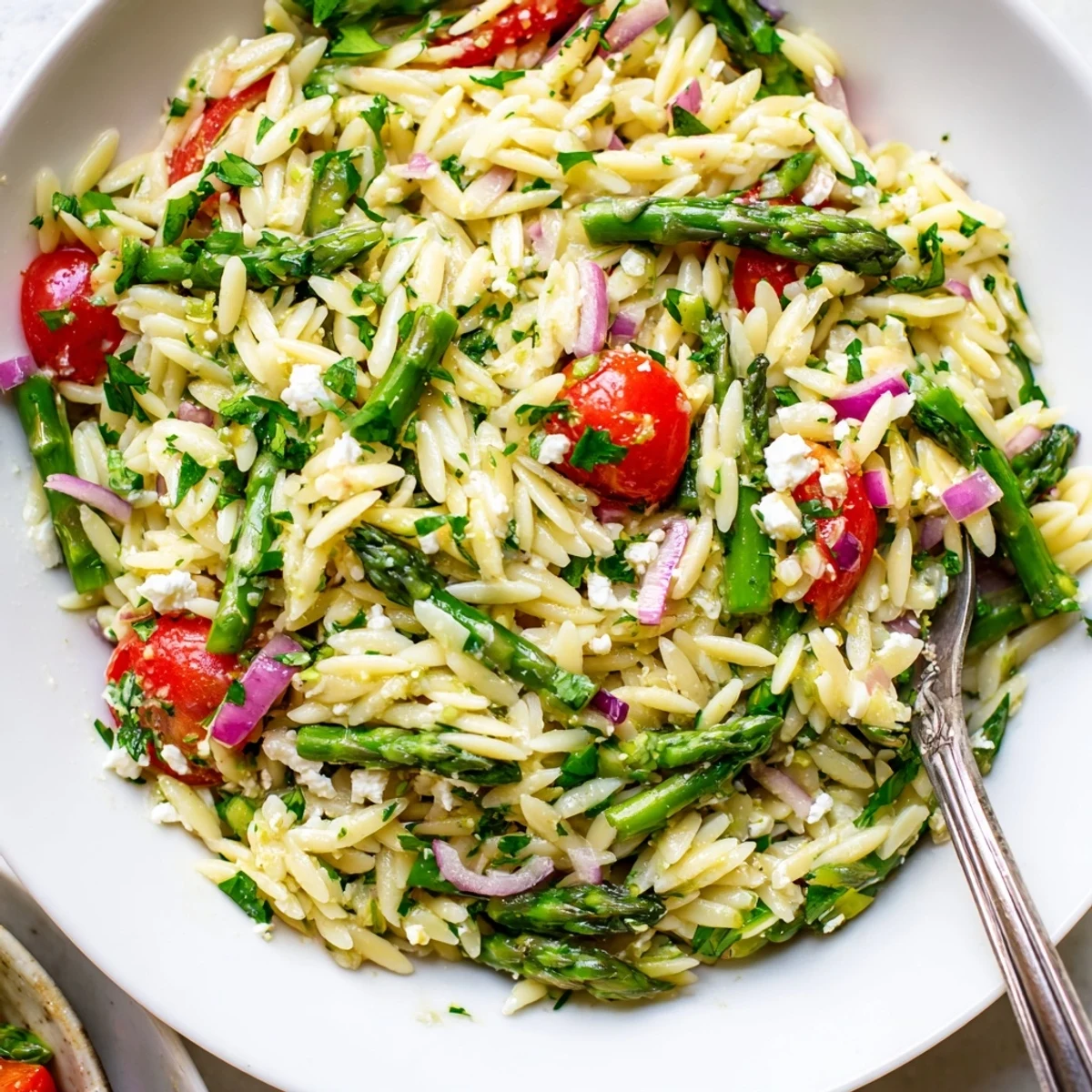
 No matter the season, a bowl of this asparagus orzo salad brings a little bit of sunshine to the table. Try it once, and you might find yourself inventing new reasons to make it again.
Recipe FAQs
- → How do I keep the asparagus crisp?
-
Add the asparagus to the boiling orzo for the last 2 minutes, then drain and rinse under cold water to stop cooking. This locks in a bright color and a firm, tender texture.
- → How should I cook the orzo for best texture?
-
Cook orzo until just al dente according to package times, then drain and cool slightly before tossing so grains stay separate and avoid becoming mushy when mixed with vegetables and dressing.
- → How do I emulsify the lemon vinaigrette?
-
Whisk lemon juice, vinegar and Dijon, then slowly stream in olive oil while whisking vigorously to create a stable emulsion. Season with zest, garlic, salt and pepper to balance acidity.
- → Can I make substitutions for the feta?
-
For a dairy-free option, omit the feta or use a plant-based crumble. Mild goat cheese or ricotta salata can be used for a creamier, tangy finish if dairy is acceptable.
- → How long can leftovers be stored?
-
Store in an airtight container in the refrigerator for up to 2–3 days. The vinaigrette keeps the orzo moist, but asparagus will soften over time—refresh with a squeeze of lemon before serving.
- → What protein or herb variations work well?
-
Add grilled chicken, shrimp or chickpeas for extra protein. Swap parsley for fresh dill or basil to shift the flavor profile toward bright or herbaceous Mediterranean notes.