
 Save to Pinterest
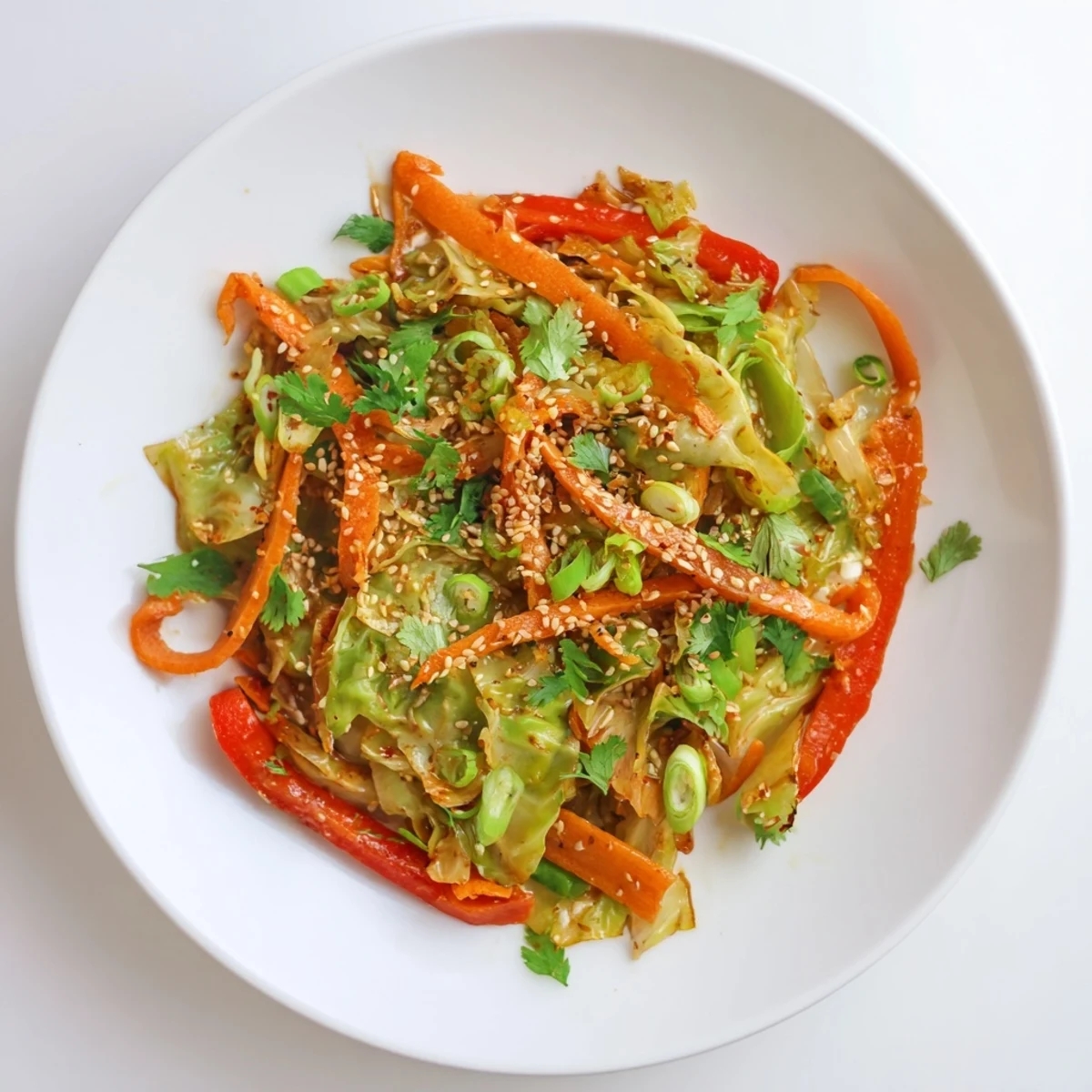
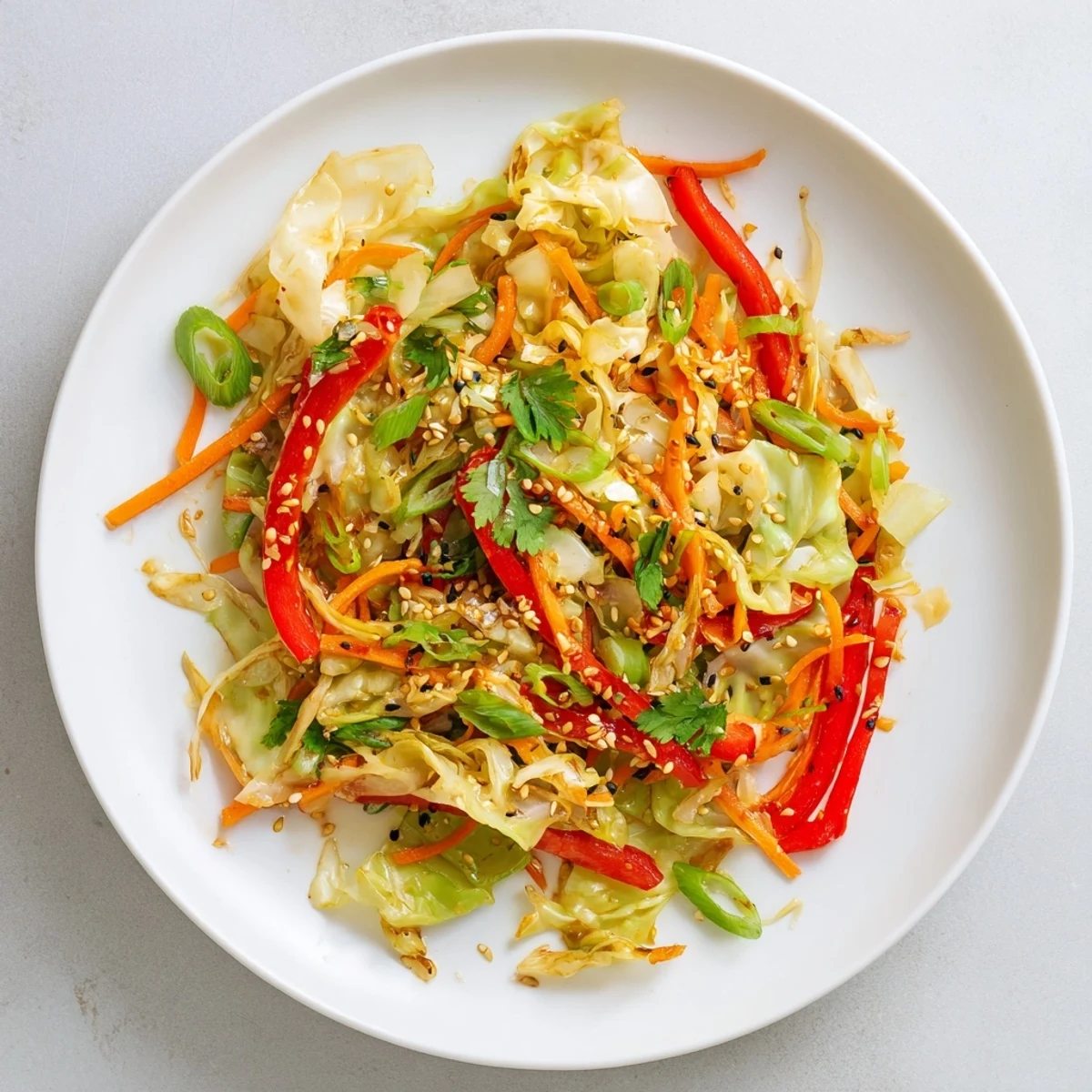
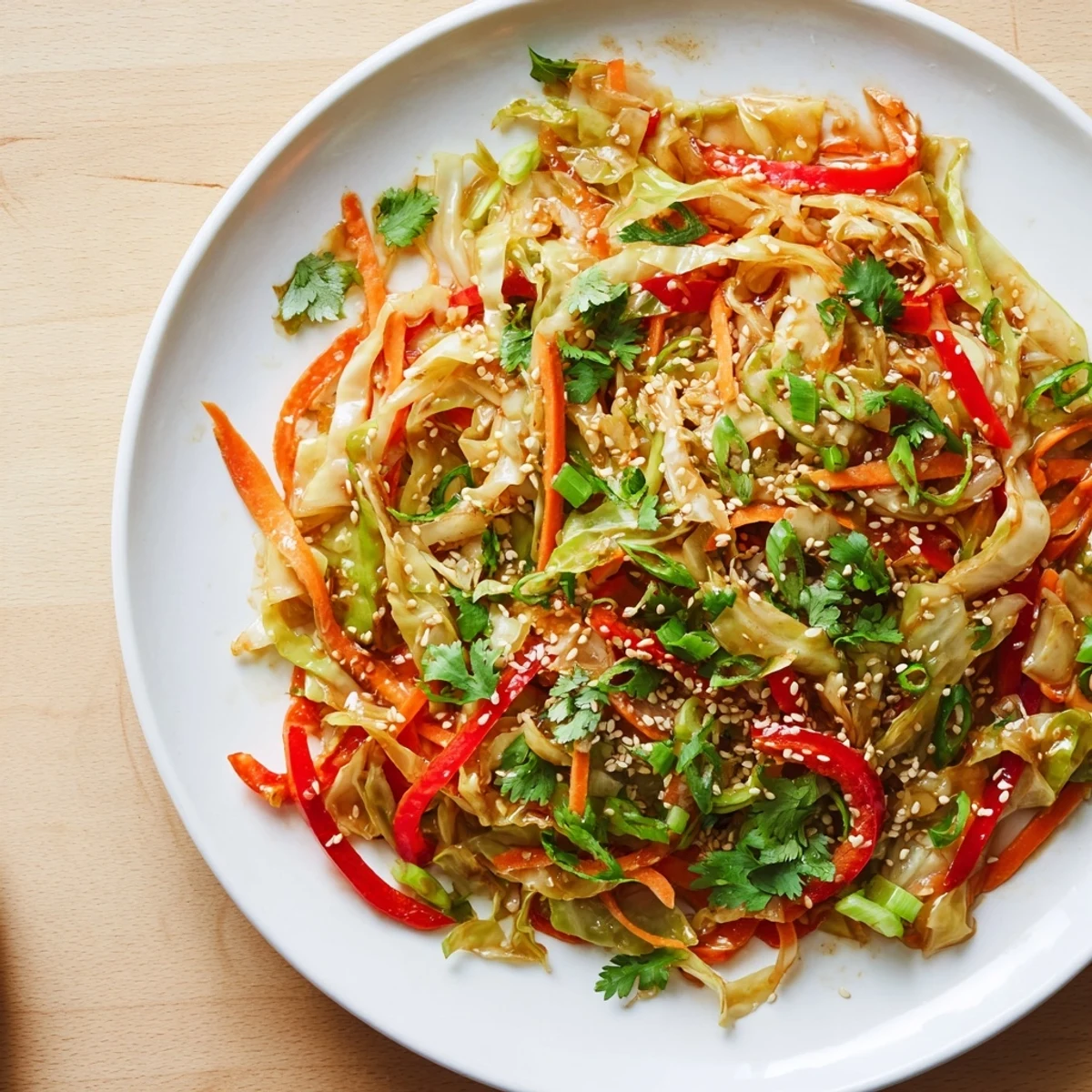
 This vibrant cabbage stir fry combines thinly sliced green cabbage with julienned carrots, red bell pepper, and aromatics like garlic and ginger. The vegetables are quickly cooked over high heat to maintain their crisp texture, then coated in a balanced sauce of soy sauce, sesame oil, rice vinegar, and a touch of sweetness.
The entire dish comes together in just 25 minutes, making it ideal for busy weeknight dinners. The high-heat cooking method preserves the vegetables' natural crunch while developing a savory, slightly sweet flavor profile. Feel free to customize with your favorite proteins or adjust the heat level to your preference.
Last Tuesday I found myself staring at a massive head of green cabbage from my CSA box, wondering how on earth I'd use it all before it wilted. My grandmother used to make cabbage stir fry when I was little, but I'd never actually written down her method. So I did what any sensible home cook would do—I heated up the wok and started experimenting with whatever crunchy vegetables I had in the crisper drawer.
My roommate walked in while I was testing this recipe and immediately asked what smelled so incredible. She's not usually a cabbage person, but she ended up eating two bowlfuls right out of the wok. Now she requests it every week, and I've started doubling the recipe just to keep up.
Ingredients
- 1 medium head green cabbage, thinly sliced: I've learned that slicing it thinly (about 1/4 inch) helps it cook evenly and stay pleasantly crisp rather than turning into mush.
- 1 large carrot, julienned: The carrot adds sweetness and a pop of color that makes the dish feel vibrant, not monochromatic.
- 1 red bell pepper, thinly sliced: This brings a subtle sweetness and gorgeous red hue that contrasts beautifully with the green cabbage.
- 2 green onions, sliced: I add these at the very end so they stay bright and fresh, providing a mild oniony bite.
- 2 cloves garlic, minced: Fresh garlic is non-negotiable here—jarred garlic just doesn't have the same punch when hit with high heat.
- 1-inch piece fresh ginger, grated: The warmth of ginger cuts through the cabbage's slight bitterness and adds that classic Asian stir fry aroma.
- 3 tbsp soy sauce: This is your salty base, and I recommend using a good-quality soy sauce for the best depth of flavor.
- 1 tbsp sesame oil: Toasted sesame oil adds that nutty, aromatic finish that makes everything taste restaurant-quality.
- 1 tbsp rice vinegar: Just enough acidity to brighten all the flavors and cut through the richness of the sesame oil.
- 1 tsp maple syrup or honey: A tiny bit of sweetness balances the saltiness and helps the sauce cling to the vegetables.
- 1/4 tsp crushed red pepper flakes: Optional, but I love the gentle warmth it builds—add more if you like things spicy.
- 1 tbsp toasted sesame seeds: These add a gorgeous nutty crunch and make the dish look impossibly polished.
- Fresh cilantro or parsley, chopped: A handful of herbs at the end makes everything taste fresher and brighter.
Instructions
- Prep your vegetables:
- Slice the cabbage into thin ribbons, julienne the carrot, and cut the bell pepper into strips. Mince the garlic and grate the ginger, keeping them separate since they'll hit the pan first.
- Whisk the sauce:
- In a small bowl, combine the soy sauce, sesame oil, rice vinegar, maple syrup, and red pepper flakes. Whisk until the maple syrup dissolves completely.
- Heat your wok:
- Get your wok or large skillet screaming hot over medium-high heat. You want to hear a satisfying sizzle when ingredients hit the pan.
- Bloom the aromatics:
- Add a splash of neutral oil, then toss in the garlic and ginger. Stir constantly for just 30 seconds—you want them fragrant, not browned or bitter.
- Start with the hard vegetables:
- Add the carrots and bell pepper first, stir-frying for 2-3 minutes. They need more time to soften than the delicate cabbage.
- Add the cabbage:
- Throw in all that sliced cabbage—it might look like a mountain, but it will wilt down dramatically. Stir-fry for 4-5 minutes until it's just beginning to soften but still has a pleasant crunch.
- Add the sauce:
- Pour that whisked sauce all over the vegetables. Toss everything together vigorously so every piece gets coated in that glossy, savory mixture.
- Finish and serve:
- Let everything cook together for 1-2 more minutes so the flavors meld, then remove from heat. Stir in the green onions and sprinkle with sesame seeds and herbs before serving immediately.
 Save to Pinterest
 This stir fry has become my go-to for meal prep because it actually reheats beautifully—the vegetables keep their texture better than I expected. I pack it with quinoa for lunch, and by Thursday I'm still excited to eat it.
Making It Your Own
Once you've got the basic technique down, this recipe becomes a template for whatever vegetables are languishing in your fridge. Snap peas, broccoli florets, sliced mushrooms, or even shredded Brussels sprouts all work beautifully here.
The Protein Question
I love this as a light vegetarian main, but sometimes I'll add cubed tofu (press it first for better browning) or cooked shrimp during the last few minutes. Leftover rotisserie chicken works too—just warm it through with the sauce.
Serving Suggestions
This stir fry is incredibly versatile and plays nicely with so many bases. I've served it over steamed jasmine rice, tucked into lettuce cups for a low-carb twist, and even spooned onto crispy noodles for texture.
- Keep extra toasted sesame oil at the table for drizzling.
- A squeeze of fresh lime juice right before serving wakes everything up.
- Make it a meal by serving with edamame or miso soup.
 Save to Pinterest
 There's something deeply satisfying about transforming a humble head of cabbage into something so vibrant and crave-worthy. I hope this recipe becomes as much of a weeknight staple in your kitchen as it has in mine.
Recipe FAQs
- → How do I prevent the cabbage from becoming soggy?
-
Stir fry over medium-high heat and cook the cabbage just until it begins to wilt, about 4–5 minutes. Avoid overcrowding the pan, which can cause steaming instead of frying. Work in batches if necessary to maintain high heat and crisp texture.
- → Can I make this dish ahead of time?
-
This stir fry is best served immediately while the vegetables retain their crunch. However, you can prep all ingredients in advance—slice the vegetables and whisk the sauce up to a day ahead. Store everything separately in the refrigerator and cook when ready to serve.
- → What other vegetables work well in this stir fry?
-
Feel free to add or substitute vegetables like snap peas, broccoli florets, bok choy, mushrooms, or bean sprouts. Adjust cooking times accordingly—denser vegetables like broccoli may need a minute or two longer, while delicate greens like spinach should be added at the very end.
- → Is this dish freezer-friendly?
-
Stir fried cabbage does not freeze well as the texture becomes mushy upon thawing. For best results, enjoy fresh. If you have leftovers, store in an airtight container in the refrigerator for up to 3 days and reheat gently in a skillet.
- → How can I add more protein to this dish?
-
Cube firm tofu and pan-fry until golden before adding, or stir in cooked shrimp during the final minutes. Other options include edamame, chickpeas, or sliced cooked chicken. Adjust seasoning slightly if adding additional ingredients to maintain flavor balance.
- → What can I use instead of soy sauce?
-
Tamari or coconut aminos work well as soy-free alternatives. For a different flavor profile, try oyster sauce or hoisin sauce, though these will change the taste. If avoiding all soy products, coconut aminos provide the closest umami flavor.