
 Save to Pinterest
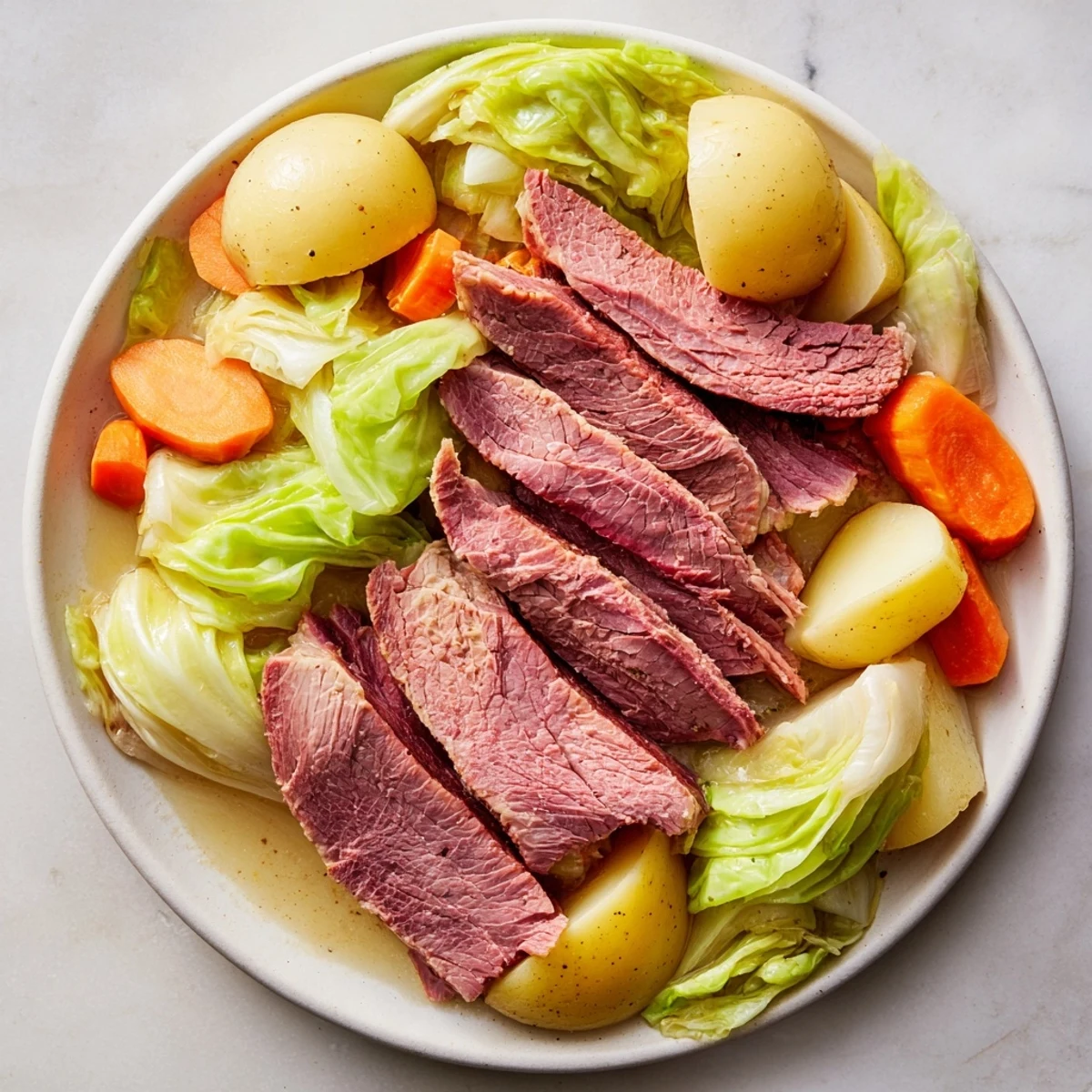
 This classic Irish-American dish features tender corned beef brisket that’s slowly simmered with cabbage wedges, hearty carrots, and Yukon Gold potatoes. The beef is first cooked with aromatic spices, including bay leaves, peppercorns, and mustard seeds, until deeply flavorful and tender. Vegetables are added in stages to ensure even cooking and perfect texture. Resting the meat before slicing enhances its juiciness. The result is a comforting, flavorful meal ideal for family dinners or special occasions.
The first time I made corned beef and cabbage, I accidentally invited twelve people over instead of six. My tiny kitchen overflowed with friends perched on countertops, sipping Guinness and watching the pot burble away for three hours. That night taught me something beautiful about this dish: it's meant to be shared, it feeds more people than you expect, and the kitchen becomes the best room in the house when that beefy, spiced aroma starts filling every corner.
Last March, my neighbor smelled the brisket simmering through our shared apartment wall and knocked on my door with a bottle of Jameson. We ended up eating corned beef on paper plates at my kitchen counter while her kids played in the living room, and now it's become our annual tradition. Something about this dish pulls people together, maybe because it takes long enough to cook that you've got time to actually talk while it bubbles away.
Ingredients
- Corned beef brisket (3 to 4 pounds) with spice packet: The spice packet contains the essential aromatics like coriander and mustard seeds that give the beef its characteristic flavor. I always add a few extra peppercorns if the packet looks skimpy.
- Small head green cabbage: Cut into wedges so the leaves stay attached at the core, which prevents them from falling apart during cooking. Look for tight, heavy heads that feel dense for their size.
- Four large carrots: Peel them but leave them whole until you cut them into chunks. They soak up that spiced broth and become impossibly sweet. If yours are particularly thick, halve them lengthwise first.
- Six medium Yukon Gold potatoes: These hold their shape better than russets and have a naturally buttery flavor. Keep them in halves or quarters depending on size, and try to cut them uniformly so they cook evenly.
- Large yellow onion: Quartered but not peeled further, this becomes the aromatic base of your broth. The onion itself softens into something sweet and savory, almost like a confit.
- Three cloves garlic: Smashed, not minced. This releases the oils without making the broth too aggressively garlicky. The cloves mellow out beautifully during the long simmer.
- Ten cups water: Enough to cover everything by at least an inch. I usually measure then add a splash more if things look crowded. Some people use beer here, but water keeps it clean and classic.
- Two bay leaves: Remove these before serving, though I once forgot and nobody complained. They add that subtle earthy backnote that makes the broth taste like it's been cooking all day even if you started late.
- Ten black peppercorns: Whole peppercorns perfume the broth without making it spicy. If you want more heat, crack them first or add a pinch of red pepper flakes.
- Teaspoon mustard seeds: Optional but worth it. They echo the flavors in the spice packet and add a gentle warmth that builds as you eat. Yellow mustard seeds are traditional, but brown work too.
Instructions
- Rinse and prepare the beef:
- Rinse that brisket under cold running water to wash away excess brine, which can make the final dish overwhelmingly salty. Pat it dry with paper towels and place it in your largest heavy pot or Dutch oven.
- Build the flavor base:
- Add the spice packet from the corned beef, along with the bay leaves, peppercorns, mustard seeds, quartered onion, and smashed garlic cloves. Dump everything right on and around the beef.
- Add water and start the simmer:
- Pour in enough water to cover the beef by at least one inch. Bring it to a rolling boil over high heat, then immediately reduce to low, cover, and settle in for a long gentle simmer.
- Skim as you go:
- Every 30 minutes or so, skim off any foam or scum that rises to the surface. This step clarifies the broth and makes for a cleaner, more refined final flavor.
- Add the root vegetables:
- After 2 and a half hours, add the potatoes and carrots to the pot. Push them down into the broth, cover again, and let them cook for about 20 minutes until they're starting to soften.
- Finish with cabbage:
- Nestle the cabbage wedges right on top of everything else. Cover the pot and cook for another 20 to 25 minutes, until the cabbage is tender but not mushy, with a little bite left to it.
- Rest the beef before slicing:
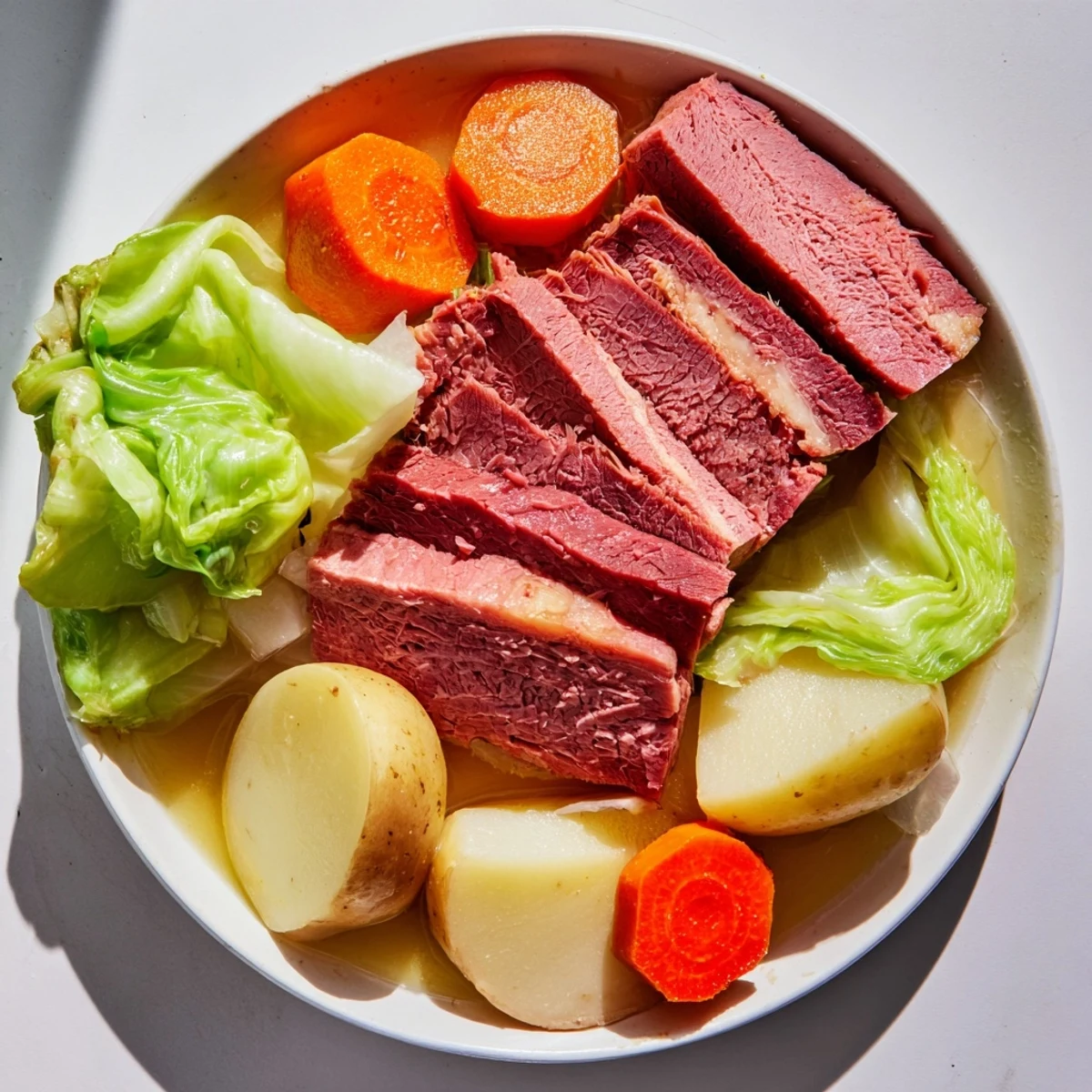
- Lift the corned beef onto a cutting board and let it rest for 10 minutes. This redistributes the juices and makes slicing easier. Always slice against the grain for the most tender results.
- Arrange and serve:
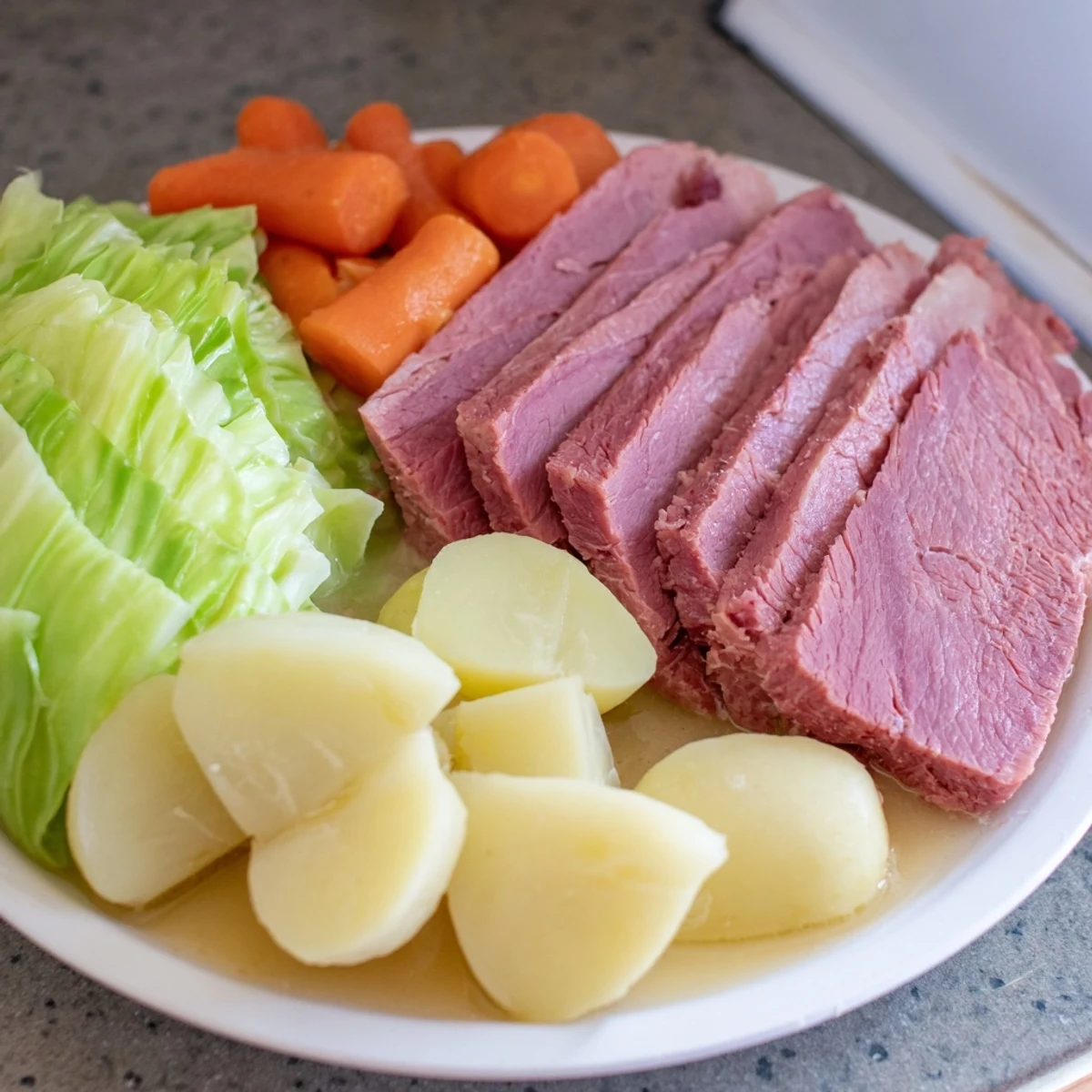
- Pile the sliced beef and vegetables onto a large platter or serve straight from the pot. Ladle some of that gorgeous cooking broth over everything and serve hot, with mustard on the side.
 Save to Pinterest
 My grandmother used to make this on snow days when we were stuck inside, and she'd let me stand on a chair to help skim the foam. Now whenever snow starts falling, I find myself instinctively reaching for a corned beef at the grocery store, as if my hands know before my brain does that comfort food weather has arrived.
Making It Your Own
I've tried every variation imaginable over the years, and while the classic version is hard to beat, there's room to play. A bottle of stout beer swapped for some water adds incredible depth, though the broth turns darker. Sometimes I throw in parsnips with the carrots, or use red cabbage instead of green for a dramatic color shift. The technique stays the same regardless of the tweaks.
Serving Suggestions
A scoop of whole grain mustard on the side is non-negotiable in my house. The sharpness cuts through the richness of the beef and brightens every bite. Some people swear by horseradish sauce, which works beautifully too. Fresh soda bread, still warm from the oven, is perfect for soaking up that spiced broth. And don't forget to put out extra salt at the table even though the dish is already salty, some people just need that final seasoning to make it theirs.
Leftover Strategy
If you somehow have leftovers, consider yourself lucky. Cold corned beef makes the world's best sandwiches, piled high on rye with more mustard than seems reasonable. I also chop everything up and fry it into hash for breakfast the next morning, topped with fried eggs. The flavors have melded overnight and somehow taste even better than the first night.
- Wrap leftover beef in the cooking liquid before refrigerating to keep it moist
- Mash some of the potatoes and carrots into the hash for extra creaminess
- Freeze leftover broth in ice cube trays for starting soups later
 Save to Pinterest
 There's something deeply satisfying about a dish that requires almost nothing from you but time and patience. The pot does all the work, and you get all the credit.
Recipe FAQs
- → How long should corned beef be simmered for tenderness?
-
Simmering for about 2½ hours allows the corned beef brisket to become tender and fully absorb spice flavors.
- → When should vegetables be added during cooking?
-
Potatoes and carrots go in after the initial simmering, cooking for 20 minutes before adding cabbage for an additional 20–25 minutes.
- → Can I add beer instead of water for extra flavor?
-
Yes, substituting some water with dark beer like stout can enhance the flavor depth of the dish.
- → What is the best way to slice the corned beef after cooking?
-
Rest the cooked brisket for 10 minutes, then slice against the grain for tender, easy-to-chew pieces.
- → Are there any common allergens in this dish?
-
This dish contains no common allergens but check the spice packet and meat packaging for potential additives.