
 Save to Pinterest
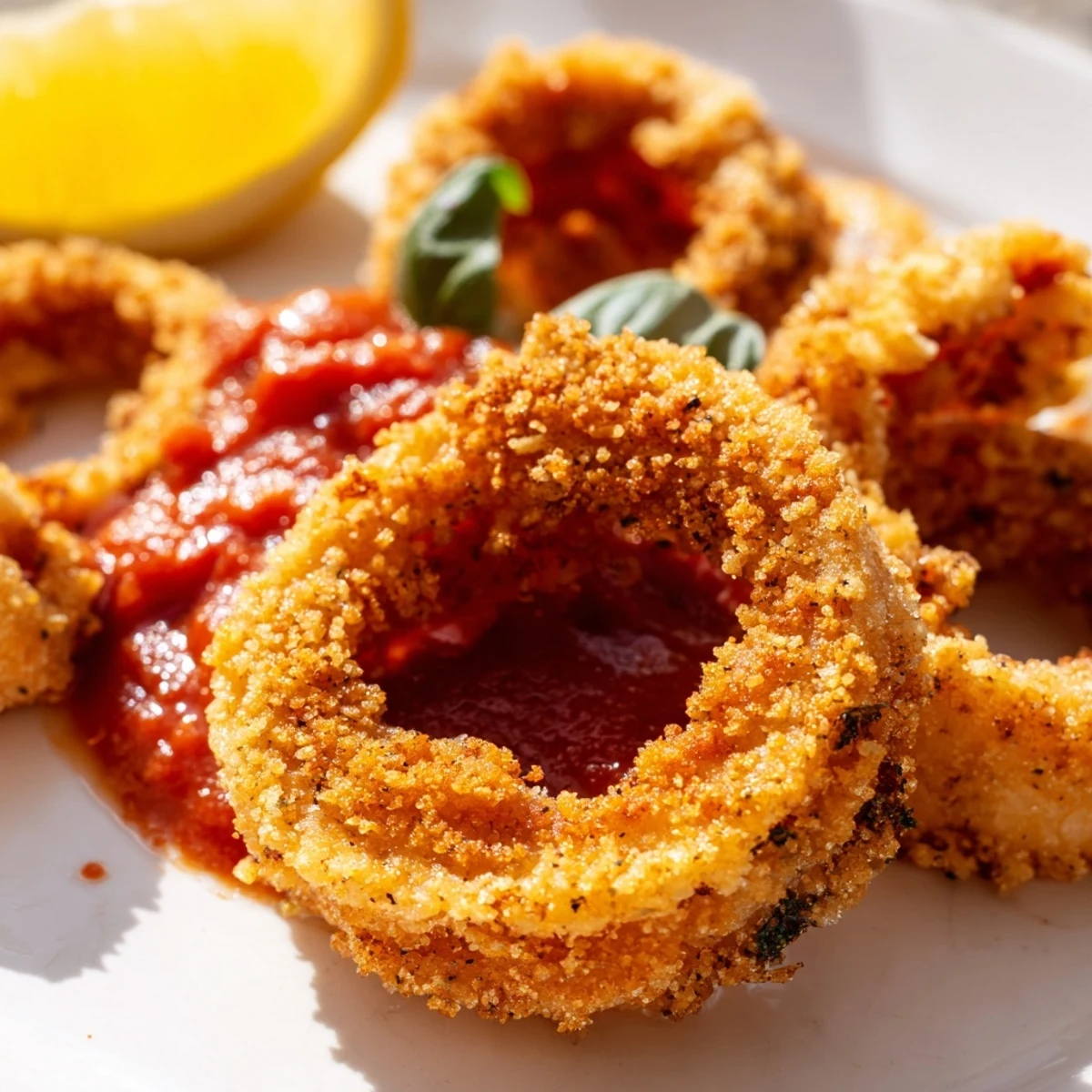
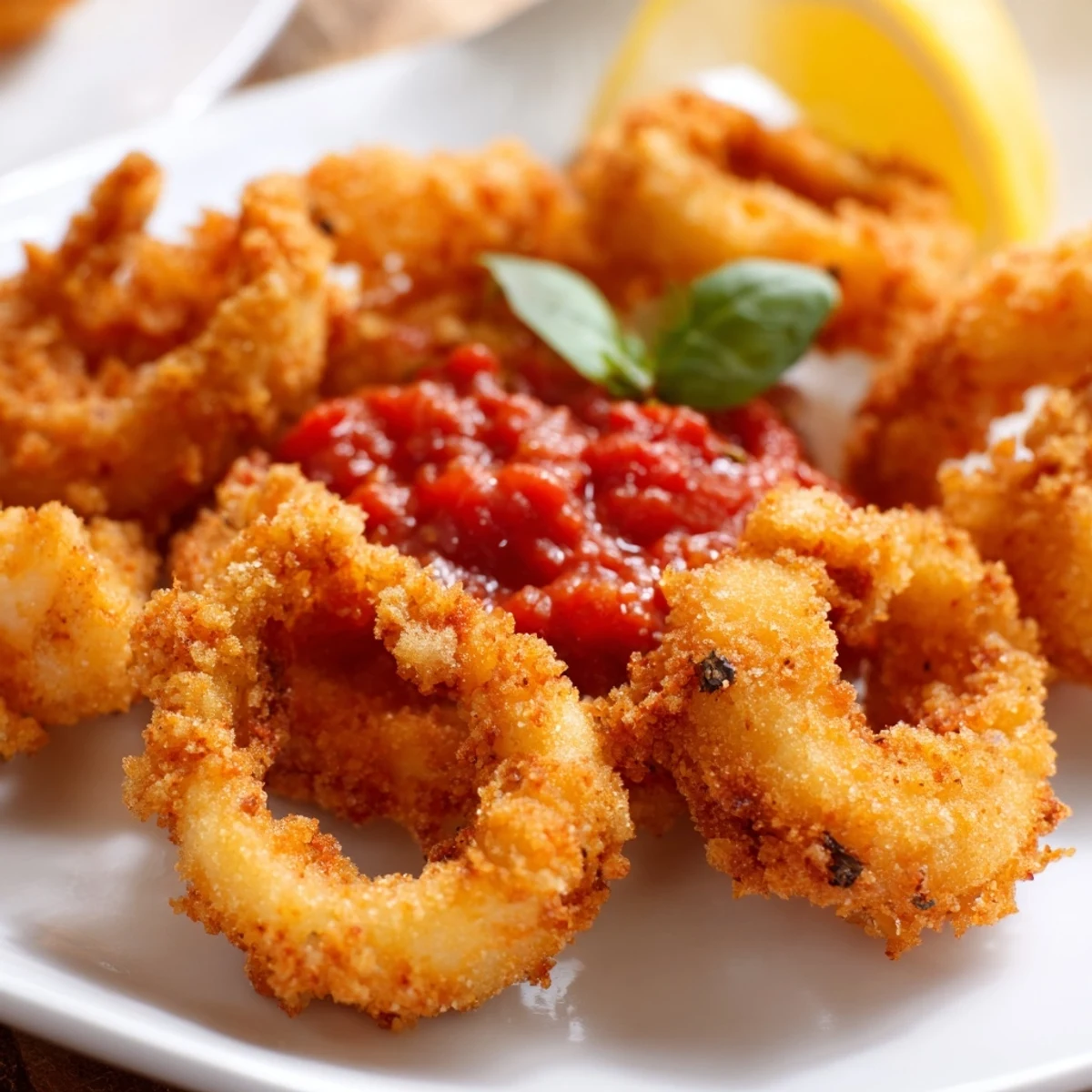
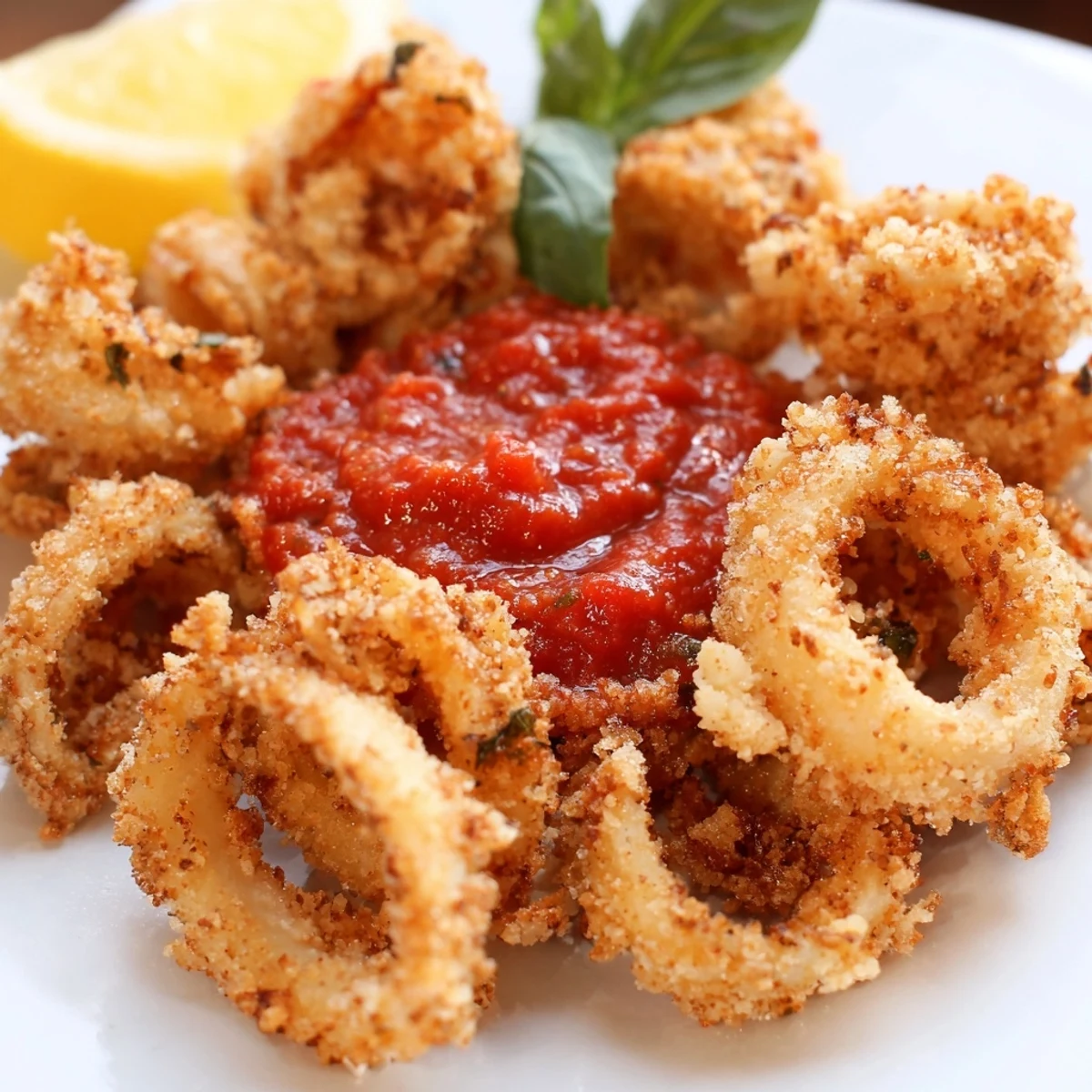
 Enjoy tender calamari rings lightly dusted with a blend of flour and cornmeal, fried until golden and crisp. The accompanying marinara sauce boasts a rich blend of crushed tomatoes, garlic, oregano, and fresh basil, simmered to perfection for a balanced tangy touch. This Mediterranean inspired appetizer combines crunchy texture with savory, aromatic flavors making it an ideal starter or snack. Serve warm with a squeeze of lemon for added brightness.
My first encounter with truly crispy calamari happened at a tiny waterfront taverna in Sicily, where the owner's grandmother was frying batch after batch in a blackened pot, her weathered hands moving with the certainty of someone who'd done it ten thousand times. The smell alone—golden, briny, toasted—made me understand why this dish had survived centuries. Years later, I realized the secret wasn't technique so much as respect: dry your rings completely, don't crowd the pan, and pull them out the moment they turn the shade of honey in sunlight.
I made this for a dinner party once when a guest casually mentioned they'd never had properly cooked calamari, only the rubbery version from questionable seafood spots. Watching their face when they bit into a ring and it actually snapped instead of squeaking—that moment made me realize food really is about creating small magic for people.
Ingredients
- Fresh calamari, cleaned and cut into 1/2-inch rings: Buy from a fishmonger if possible; they usually clean it for you, and you can ask about the freshness directly. Frozen works perfectly fine too, just thaw completely and pat very dry.
- All-purpose flour and cornmeal: The combination gives you a lighter crust than flour alone—cornmeal adds a subtle graininess that keeps things from getting too dense.
- Sea salt and black pepper: Don't skip seasoning the coating; this is where half the flavor lives.
- Smoked paprika: Optional, but it adds warmth and a whisper of smoke that makes people ask what the secret ingredient is.
- Vegetable oil: Choose something with a high smoke point like canola or peanut oil; olive oil will burn and taste bitter.
- Canned crushed tomatoes: San Marzano if you can find them; they're sweeter and less acidic than other varieties.
- Olive oil, garlic, and onion for the sauce: Fresh garlic matters here—jarred won't give you that sharpness you need to cut through the richness of fried food.
- Dried oregano and fresh basil: Oregano goes in early to infuse the sauce; basil goes at the end to stay bright and herbaceous.
Instructions
- Build your marinara foundation:
- Heat olive oil gently and let the onion soften first—it takes about two minutes and sets the base. Add garlic for just thirty seconds so it wakes up without browning and turning bitter, then pour in your tomatoes and seasonings.
- Let the sauce simmer and think:
- Ten to fifteen minutes of low simmering lets the flavors settle and marry together, and you'll see the sauce thicken slightly as the liquid reduces. This is a good moment to prep everything else.
- Dry your calamari like your life depends on it:
- Pat those rings with paper towels until they feel almost papery; any moisture will cause splattering oil and soggy breading. This single step changes everything.
- Make your breading mix and coat with confidence:
- Combine flour, cornmeal, salt, pepper, and paprika in a shallow bowl, then toss the rings in batches so they're evenly covered. The coating should look like light sand clinging to the rings.
- Get your oil to the right temperature:
- 180°C (350°F) is crucial—too cool and they absorb oil and become greasy, too hot and they brown outside while staying rubbery inside. Use a thermometer if you have one.
- Fry in small, patient batches:
- Crowding the pan drops the oil temperature and steams the calamari instead of crisping it. Work in batches of about a handful, and listen for the sizzle to tell you the oil is ready.
- Fish them out at the golden moment:
- They cook in just one to two minutes, so watch closely. They should be the color of honeyed toast, not dark brown, when you pull them out with a slotted spoon.
- Let them drain and rest:
- A plate lined with paper towels will catch the excess oil and let them cool to eating temperature without becoming soggy underneath.
 Save to Pinterest
 There's something primal about the moment you pull golden calamari from hot oil and hear it crackle slightly as it hits the paper towels. It feels like you've accomplished something ancient and necessary, which is funny because all you've really done is respect the ingredients and watch a clock.
The Science of Crispness
The cornmeal in your breading does the real work: it absorbs less oil than flour alone and fries at a different rate, creating tiny air pockets that stay crisp even minutes after cooking. Flour alone gets dense and greasy; cornmeal keeps things light. The sea salt in the coating doesn't just season—it draws moisture to the surface briefly, which the cornmeal whisks away, leaving you with crust instead of crust wrapped around oil.
Building Marinara That Tastes Like Memory
Real marinara sauce asks very little of you but punishes shortcuts ruthlessly. That ten-minute simmer isn't just time passing; it's the moment raw tomato notes transform into something deeper and rounder. The sugar isn't about sweetness—it balances acidity so the sauce never tastes sharp or one-dimensional. Fresh basil at the end keeps everything bright, like letting light back into a room that got dark.
Pairing and Serving Wisdom
Serve everything hot, while the calamari is still snapping under your teeth and the marinara is warm enough to let the herbs release their final whispers of aroma. A squeeze of fresh lemon at the table is not optional—it cuts through the richness and makes the whole dish feel lighter than it actually is. White wine, cold beer, or even sparkling water work beautifully alongside.
- Have your dipping sauce ready and warm before the calamari hits the plate.
- Don't hold cooked calamari warm in an oven, it toughens—cook it à la minute and serve immediately.
- Lemon wedges and fresh parsley on the side make the plating look intentional and give people options.
 Save to Pinterest
 This dish is proof that simple cooking, done thoughtfully, becomes something worth remembering. Make it once and you'll understand why it's been on menus for centuries.
Recipe FAQs
- → What is the best way to achieve crispy calamari?
-
To ensure a crisp exterior, coat calamari rings evenly with a mixture of flour and cornmeal before frying in hot oil at 180°C (350°F) for 1–2 minutes.
- → How is the marinara sauce prepared?
-
Sauté onions and garlic in olive oil, then simmer crushed tomatoes with oregano, chili flakes, sugar, and fresh basil until slightly thickened for a flavorful sauce.
- → Can I use frozen calamari for this dish?
-
Yes, thawed calamari works well as long as it's patted dry thoroughly to avoid oil splatters and ensure even breading.
- → What oil is recommended for frying calamari?
-
Use a neutral oil with a high smoke point, such as vegetable oil, to achieve a perfect golden fry without imparting extra flavors.
- → Are there any suggested accompaniments for serving?
-
Lemon wedges add a fresh citrus note, and this dish pairs beautifully with light white wines or mild lagers.
- → Can the breading be made gluten-free?
-
Substitute the all-purpose flour and cornmeal with gluten-free alternatives to accommodate dietary needs without compromising texture.