
 Save to Pinterest
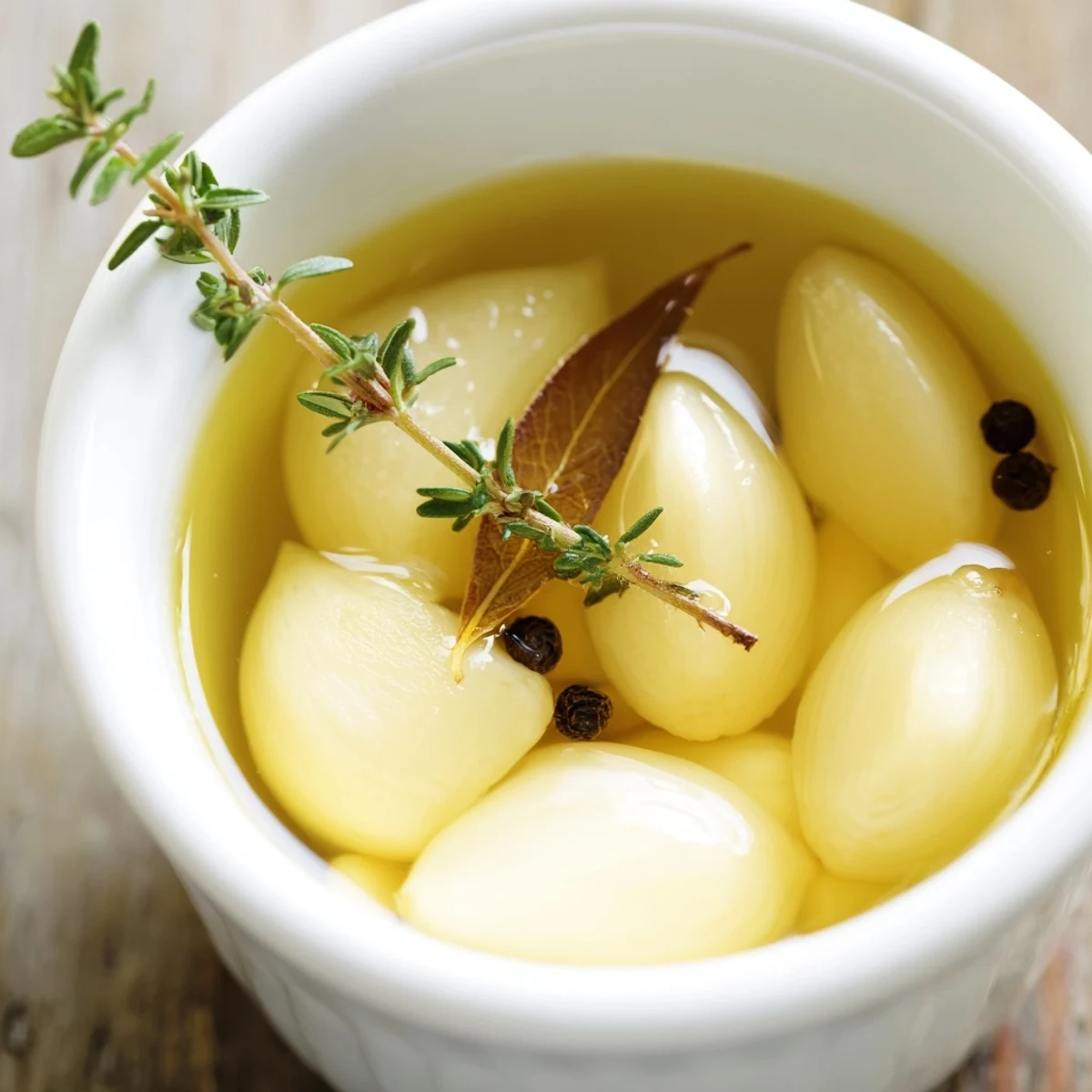
 This preparation involves gently simmering peeled garlic cloves in olive oil at low heat until they become tender and fragrant. The slow cooking softens the garlic, transforming sharp flavors into a mellow, sweet profile. The infused oil is aromatic and ideal for drizzling or cooking. Use the softened garlic spread on bread, stirred into dishes, or as a flavorful condiment to elevate meals with a subtle, rich garlic essence.
I discovered garlic confit by accident one rainy Sunday when I was trying to salvage a bulb that had started sprouting in my pantry. Rather than toss it, I peeled the cloves and submerged them in oil, thinking I'd roast them gently and use them as a quick addition to pasta. What emerged from the oven forty-five minutes later was something transcendent—golden, tender cloves that spread like butter and an oil so fragrant it made the whole kitchen smell like a French bistro. Now I make it on purpose, always.
My partner once brought home a crusty loaf at the last minute when we were expecting guests, and I panicked until I remembered the jar of confit sitting in the fridge. I spread it straight onto toasted bread and watched everyone go quiet for a moment before reaching for seconds. That's when I realized this wasn't just a condiment—it was edible calm.
Ingredients
- Garlic cloves: About 2 cups from 3 whole bulbs, peeled and left whole—the gentle heat transforms them from pungent to almost creamy, losing all the harshness that usually lingers on your breath.
- Extra virgin olive oil: 1½ cups, though you can use neutral oil if you prefer a cleaner taste and want the garlic to shine without the oil's personality getting in the way.
- Fresh thyme: 2 sprigs, optional but worth it—the subtle herbaceousness whispers in the background and prevents the confit from feeling one-dimensional.
- Bay leaf: 1, optional, a quiet anchor that adds just enough earthiness to round out the sweetness.
- Black peppercorns: ½ tsp, optional, for a gentle peppery warmth that builds as the oil infuses.
Instructions
- Peel and prepare:
- Separate garlic bulbs into cloves and peel away the papery skin, leaving each clove whole and intact. You'll want about 2 cups of cloves—they'll shrink and darken as they cook, so don't be shy with the amount.
- Set your oven low:
- Preheat to 250°F (120°C)—this is slow cooking at its most patient, and rushing the heat will turn garlic bitter instead of sweet. The low temperature is what makes garlic confit magical.
- Layer and submerge:
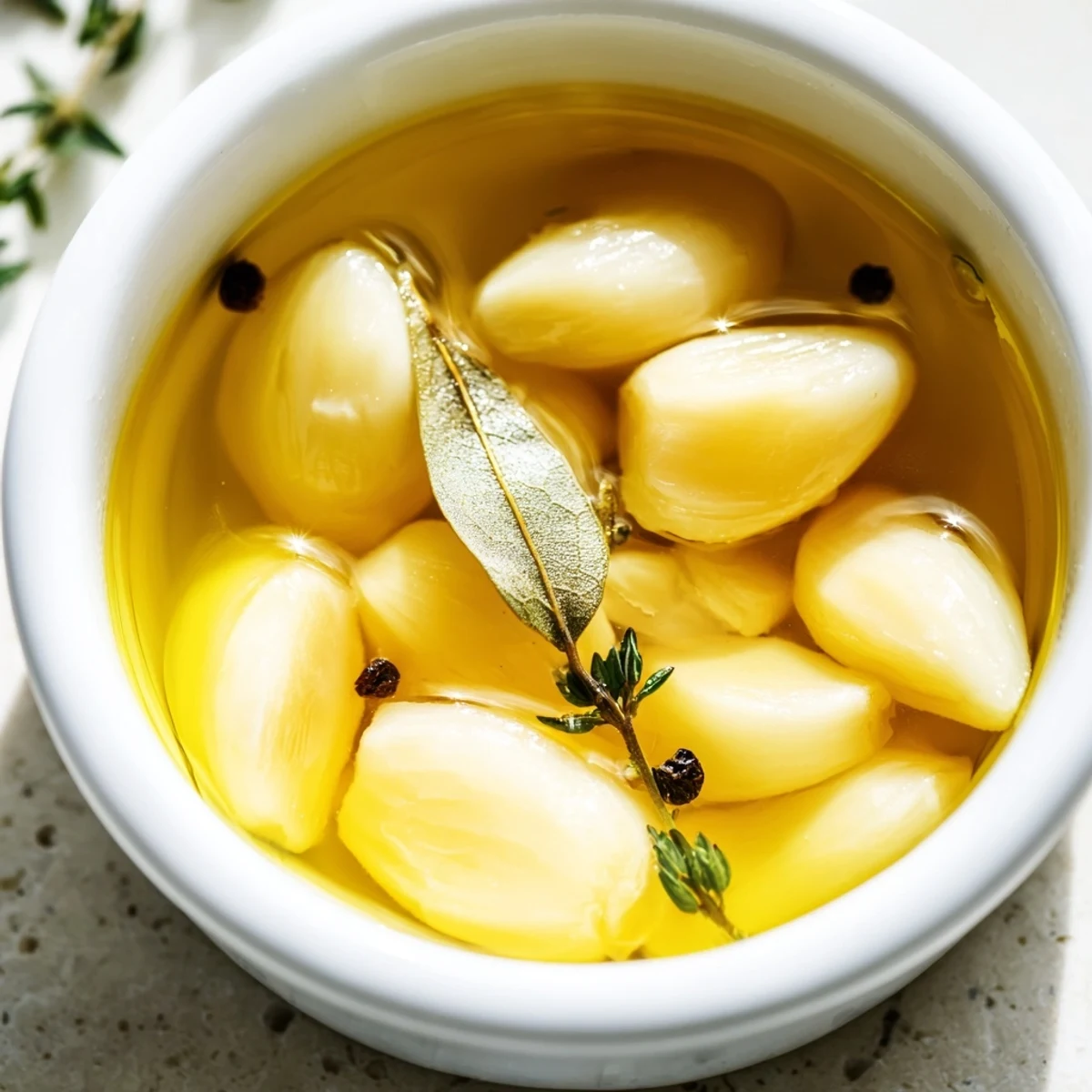
- Pour peeled cloves into a small ovenproof saucepan or baking dish, then cover completely with olive oil until they're swimming in it. Add thyme, bay leaf, and peppercorns if using, scattering them throughout.
- Cover and slide into the oven:
- Use foil or a tight-fitting lid to trap in all that gentle steam and fragrance. The seal matters—it keeps everything moist and infuses the oil with concentrated garlic flavor.
- Wait and listen:
- Bake for 45 minutes until the kitchen fills with a sweet, toasty aroma and each clove has turned golden and yields to the gentlest pressure. You'll notice the oil has taken on a subtle amber hue.
- Cool without rushing:
- Remove from the oven and let everything sit at room temperature—this isn't just cooling, it's the moment the flavors settle and deepen. Patience here pays off.
- Store with care:
- Transfer the garlic and all the oil to a clean, airtight glass jar and refrigerate immediately. It'll keep for up to 2 weeks, though it rarely lasts that long.
 Save to Pinterest
 I once brought a jar to a dinner party thinking it was a throwaway gift, something nice but forgettable. Instead, someone opened it before dessert and we all stood around the kitchen with warm bread, eating spoonfuls straight from the jar like it was caviar. That's when I understood—the simplest foods, treated with patience and respect, become the ones people actually remember.
How to Use Your Garlic Confit
The beauty of confit is that it solves problems you didn't know you had. Spread it on crostini or grilled bread for an instant appetizer that tastes like you spent hours fussing. Swirl a spoonful into creamy soups—tomato bisque, mushroom, butternut squash—where it dissolves into the warmth and adds an unexpected depth. Toss it with hot pasta and finish with fleur de sel for dinner on a night when you want restaurant quality but didn't have time to cook. Use the infused oil alone as a finishing drizzle for roasted vegetables, or whisk it into vinaigrettes where it carries all the subtle sweetness straight into your greens.
Flavor Variations to Explore
Once you've made plain confit and fallen in love with it, the variations become an exciting game. Toss in dried chili flakes during the last ten minutes of baking for heat that builds gradually rather than hitting all at once. Scatter fresh rosemary instead of thyme if you're feeding it to someone who loves Mediterranean flavors, or add thin lemon zest strips right before jarring to introduce a bright, unexpected note that cuts through the richness. I've even added dried lavender and been surprised by how good it was with goat cheese.
Why Low and Slow Wins Every Time
The secret isn't in any ingredient—it's in the restraint of temperature and time. High heat would turn garlic harsh and bitter, roasted rather than confited, losing the sweet delicacy that makes this recipe special. By cooking low and slow, you're essentially poaching the garlic in oil, letting it become tender and mild while the oil becomes infused with subtle, complex flavor that neither ingredient could achieve alone. This is why you can't rush it, and why once you taste real garlic confit, the jarred versions feel like cardboard.
- Invest in a reliable oven thermometer to ensure your temperature stays true—250°F matters more than you'd think.
- Don't skip the foil or lid; the trapped steam is doing half the work.
- Resist opening the oven door to peek—every time you do, you're releasing heat and extending the cooking time.
 Save to Pinterest
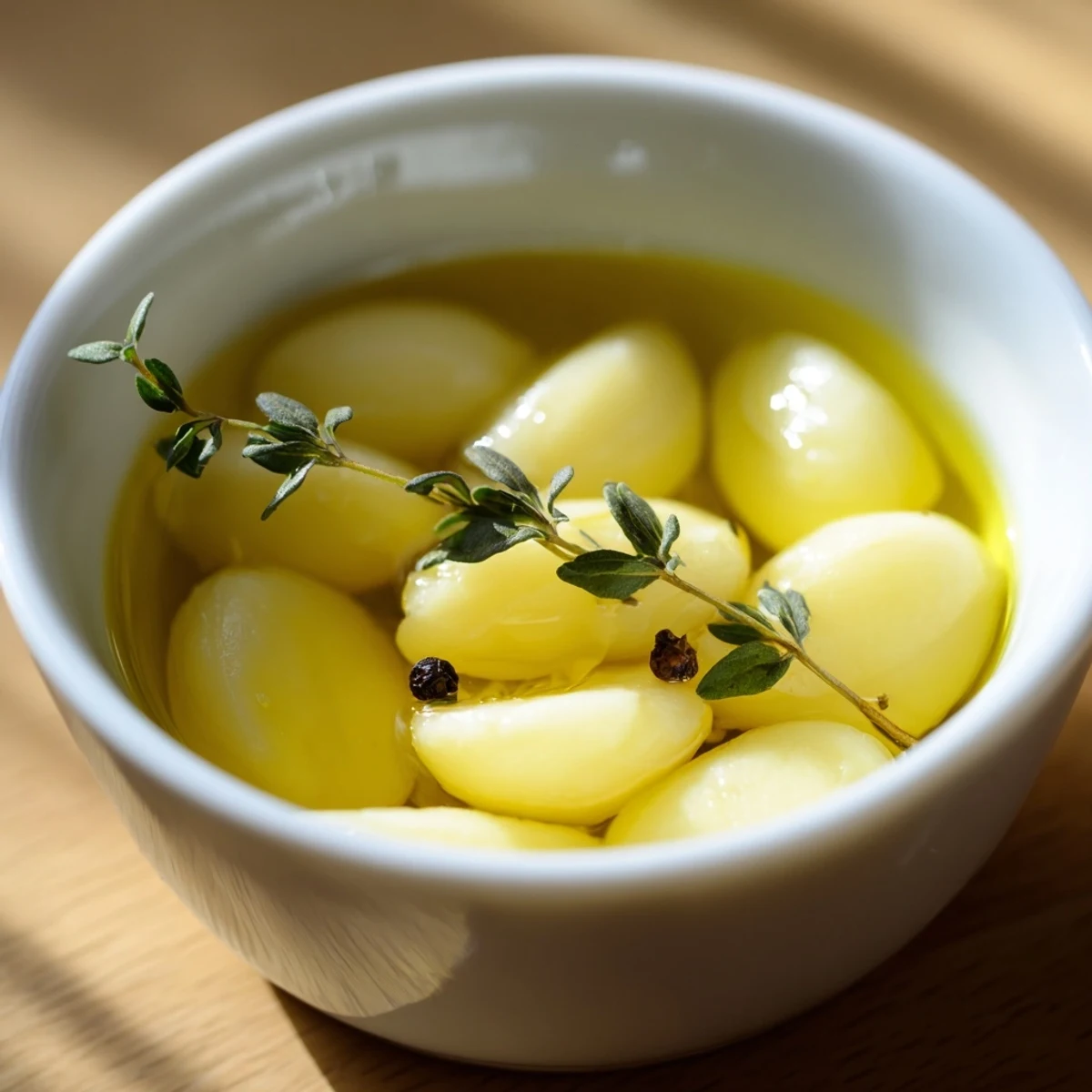
 Garlic confit is one of those rare kitchen projects that feels indulgent but costs almost nothing, that tastes like you're showing off but actually shows you've learned to sit still and let heat do the work. Once you make it, you'll always have a jar waiting.
Recipe FAQs
- → What type of oil works best?
-
Extra virgin olive oil is preferred for its flavor, but neutral oils like canola or sunflower work well too.
- → How do I store the garlic and oil after cooking?
-
Store in a clean, airtight jar in the refrigerator for up to two weeks to maintain freshness and safety.
- → Can I add herbs or spices?
-
Yes, fresh thyme, bay leaf, and peppercorns enhance flavor. Variations like rosemary or chili flakes can also be added.
- → What are suggested uses for the softened garlic?
-
Use it as a spread on bread, a flavor boost in sauces or mashed potatoes, or drizzle the infused oil on vegetables and pasta.
- → Why simmer garlic slowly at low temperature?
-
Slow simmering softens garlic cloves gently, transforming harsh, raw flavors into sweet, mellow notes without browning.