
 Save to Pinterest
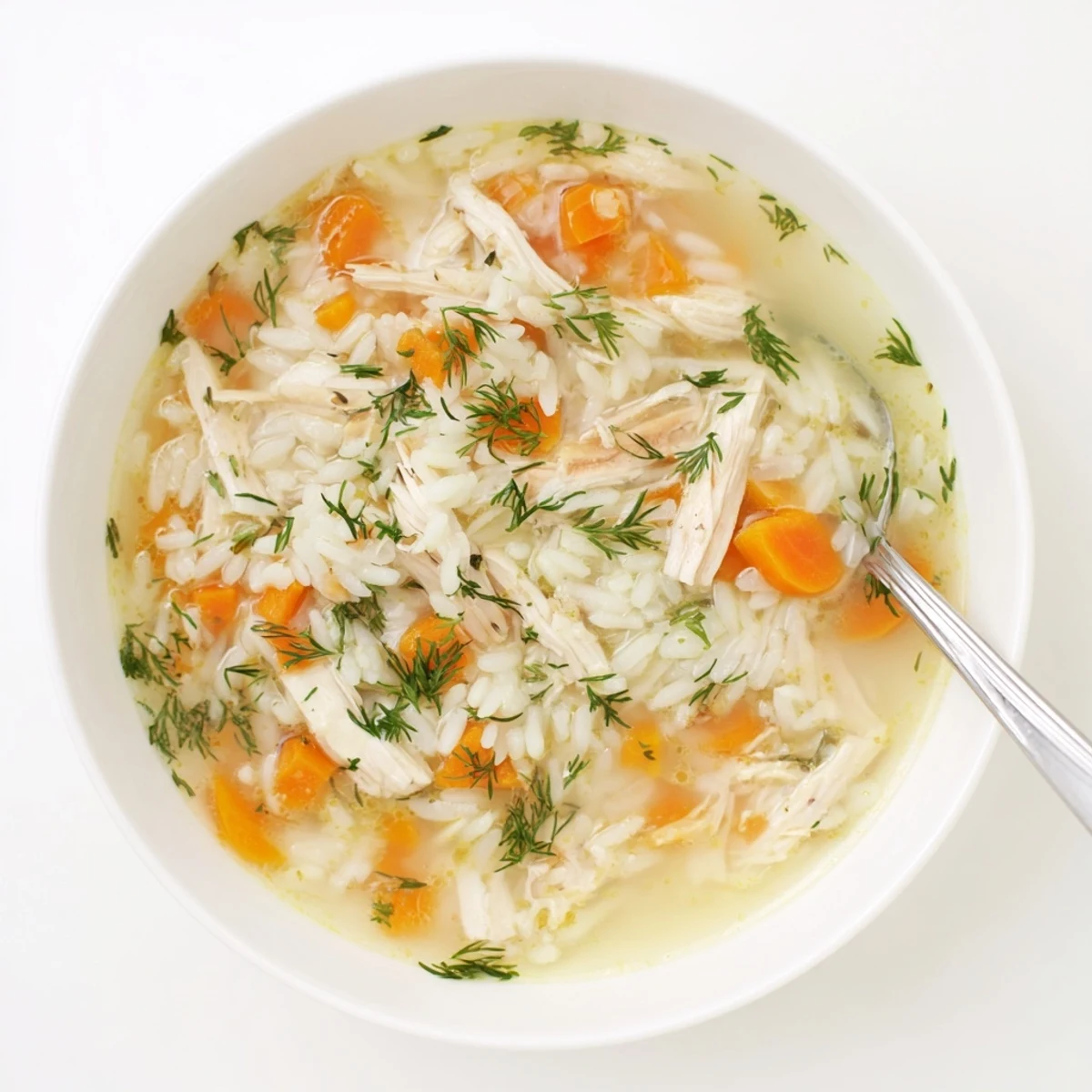
 This traditional Greek soup combines tender chicken pieces with fluffy rice in a warming broth enriched with eggs and fresh lemon juice. The signature avgolemono technique creates a silky, creamy texture without heavy cream, while the bright citrus notes balance the savory chicken perfectly.
Ready in under an hour, this nourishing bowl delivers complete protein and comforting warmth. The tempering method ensures the egg mixture blends smoothly into the hot broth without curdling, resulting in a luxurious velvety consistency. Perfect alongside crusty bread for a satisfying meal.
The first time I had avgolemono was at a tiny Greek family restaurant in Chicago, where the owner's grandmother served me a bowl that smelled like sunshine itself. I watched her whisk the eggs and lemon with such practiced grace, her arms moving in a rhythm she'd clearly done thousands of times before. That first spoonful changed everything I thought soup could be. Now it's the only thing I want when someone I love is feeling under the weather.
Last winter, my partner came down with a terrible flu and nothing sounded good except broth. I made this soup with slightly less rice than usual because broth was all they could stomach. They took one sip and actually smiled for the first time in three days. That moment when simple food becomes medicine is something I'll never forget about cooking.
Ingredients
- Chicken breasts or thighs: I've used both over the years but thighs stay juicier if you plan to reheat the soup the next day
- Low-sodium chicken broth: Starting with less salt means you can control the seasoning exactly to your taste
- White rice: Short-grain releases more starch into the broth for that creamy texture we're after
- Eggs: Room temperature eggs temper more easily without scrambling, so take them out while you prep everything else
- Fresh lemon juice: Bottled juice never gives you that bright, almost floral note that fresh lemons provide
- Fresh dill or parsley: This isn't just garnish, it adds a fresh green note that cuts through the richness
Instructions
- Build the foundation:
- Combine your chicken, broth, onion, garlic, carrot if you're using it, and salt in a large pot and bring it all to a gentle boil over medium-high heat.
- Simmer the chicken:
- Drop the heat to a steady simmer, cover the pot, and let everything cook for 15 to 20 minutes until the chicken is completely cooked through.
- Cook the rice:
- Lift the chicken out and set it aside, then add your rice to the bubbling broth and cook it uncovered for about 15 minutes until it's tender and starting to release its starch.
- Shred the chicken:
- While the rice works, use two forks to pull the chicken into bite-sized pieces, making sure to catch all those lovely shreds.
- Make the avgolemono base:
- Whisk your eggs and lemon juice in a medium bowl until the mixture is completely smooth and pale yellow.
- Temper the eggs:
- Grab a ladful of hot broth and slowly whisk it into your egg mixture, then repeat with another ladle, whisking constantly so the eggs don't scramble.
- Combine everything:
- Pour that warm egg mixture back into the pot in a slow stream while stirring gently, then add your shredded chicken back in.
- Finish and serve:
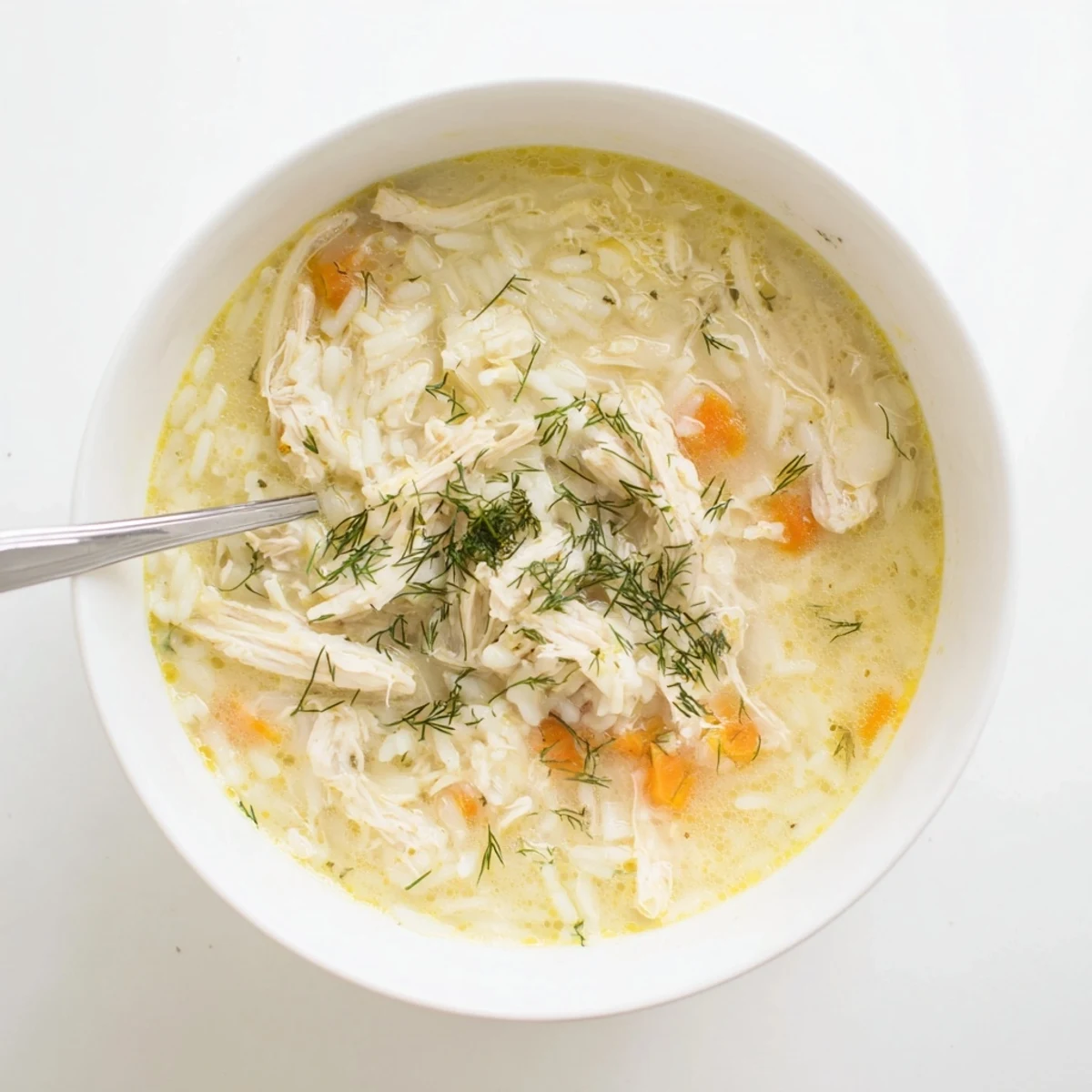
- Warm everything over low heat for just 2 to 3 minutes, letting the broth thicken slightly without ever boiling, then season with salt and pepper and scatter fresh herbs over each bowl.
 Save to Pinterest
 My neighbor's mother from Greece told me the real secret is patience during that tempering step, something she learned from her own mother. She said good avgolemono teaches you to slow down, which is probably why it tastes like love in a bowl.
Making It Your Own
I've started playing with this recipe over the years, sometimes swapping in orzo for the rice when I want something with a little more texture. The lemon amount is completely personal, I've made versions that ranged from subtle to almost aggressively bright.
The Perfect Texture
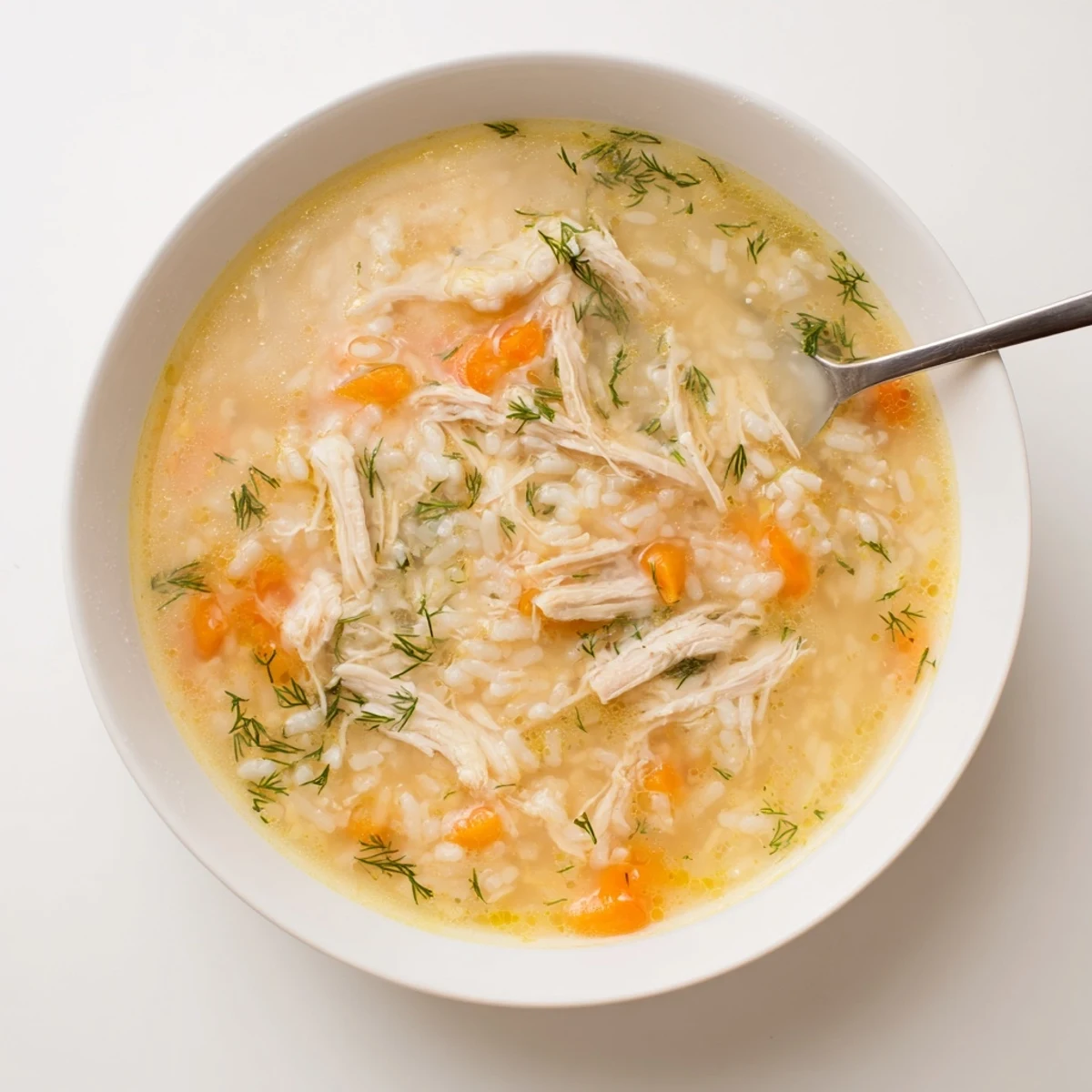
The soup thickens naturally as it sits because of the rice starch, which is actually ideal since it gives you that velvety mouthfeel without adding any cream. If it gets too thick the next day, just splash in some more warmed broth.
Serving Suggestions
A warm slice of crusty bread is the classic accompaniment, perfect for soaking up every last drop of that golden broth. I also like to serve it alongside a simple Greek salad with feta and olives to make a complete meal.
- Leftovers keep beautifully for 3 days in the refrigerator
- Reheat gently over low heat, never at a rolling boil
- The rice will continue absorbing liquid, so plan to add more broth when reheating
 Save to Pinterest
 There's something deeply comforting about a soup that's been perfected over generations in kitchens across Greece and beyond. I hope this recipe becomes part of your own comfort food traditions.
Recipe FAQs
- → What does avgolemono mean?
-
Avgolemono translates to 'egg-lemon' in Greek, referring to the signature preparation method that whisks eggs with fresh lemon juice and gradually incorporates hot broth to create a silky, creamy soup base.
- → How do I prevent the eggs from curdling?
-
Temper the egg-lemon mixture by slowly whisking in about one cup of hot broth before adding it back to the pot. This gradual temperature increase prevents curdling and ensures a smooth, creamy consistency.
- → Can I make this soup ahead of time?
-
The chicken and broth base can be prepared up to 2 days in advance. Add the avgolemono mixture just before serving, as reheating the completed soup may cause the eggs to separate.
- → What rice works best in this soup?
-
Short or medium-grain white rice yields the creamiest results, though long-grain varieties work too. Avoid brown rice as it requires longer cooking time and may alter the delicate texture.
- → Is this soup gluten-free?
-
Yes, when using certified gluten-free chicken broth, this traditional Greek soup is naturally gluten-free, making it suitable for those with gluten sensitivities.
- → Can I use a whole chicken instead of breasts or thighs?
-
Yes, simmering a whole cut-up chicken creates an even richer broth. Remove meat from the bones after cooking, shred, and return to the soup as directed.