
 Save to Pinterest
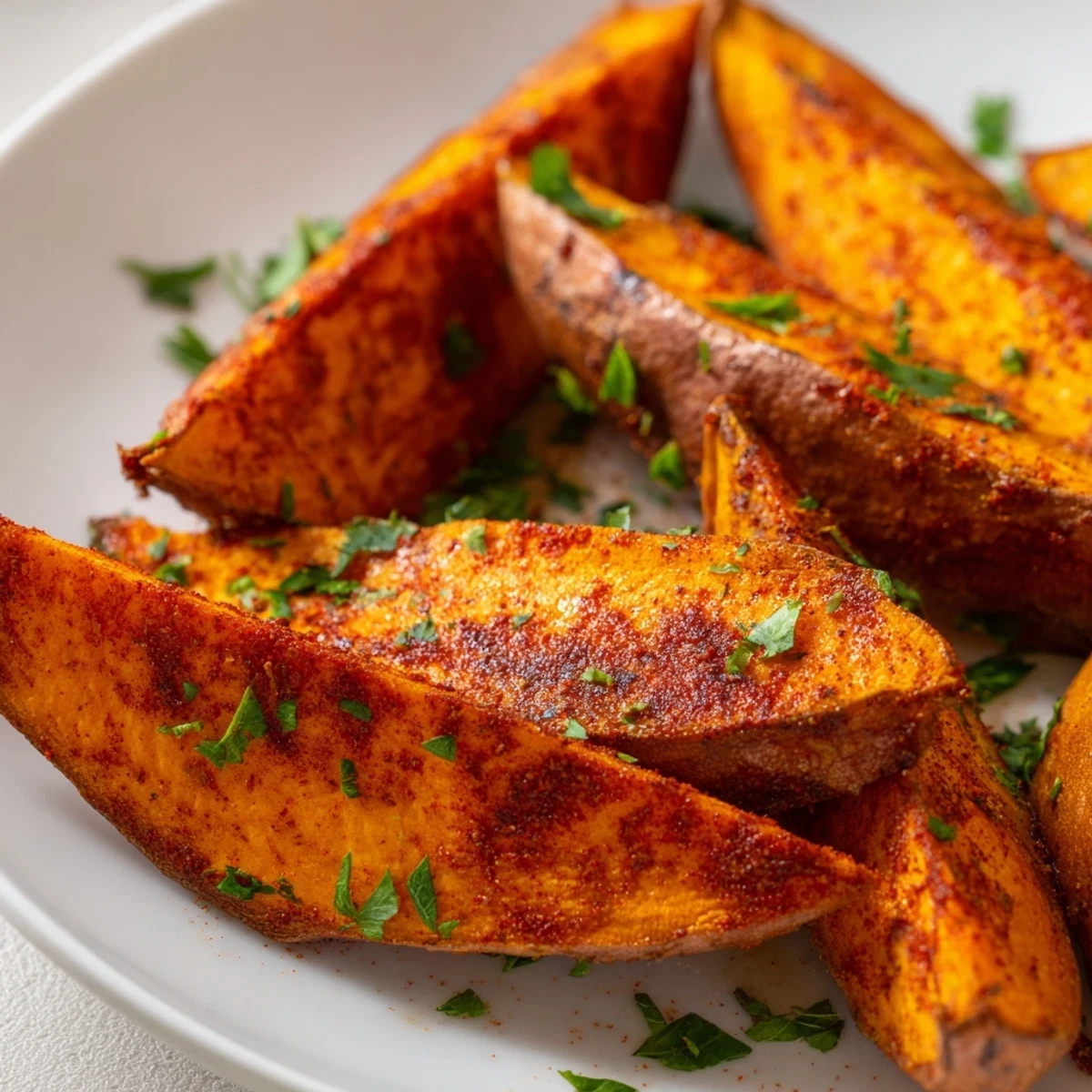
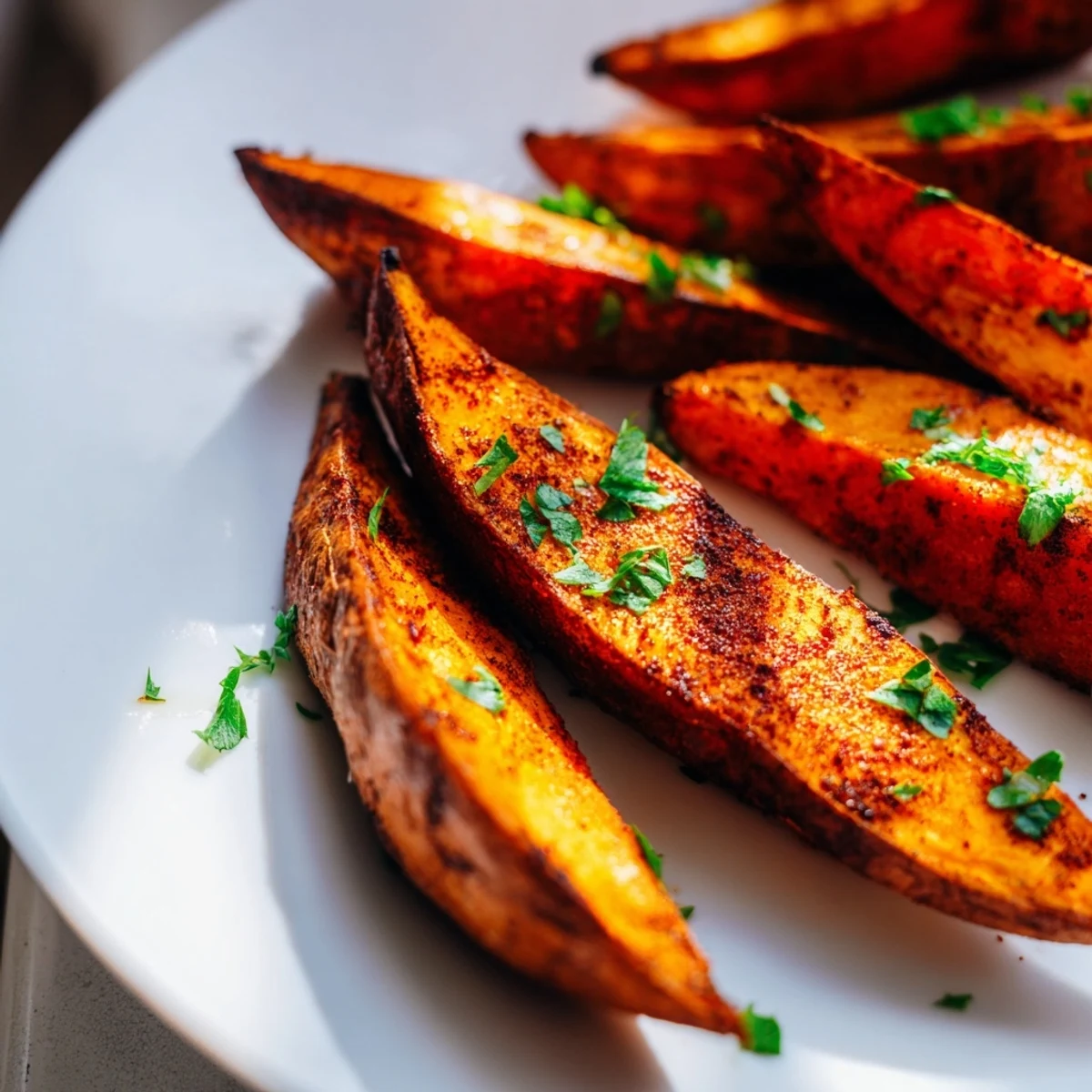
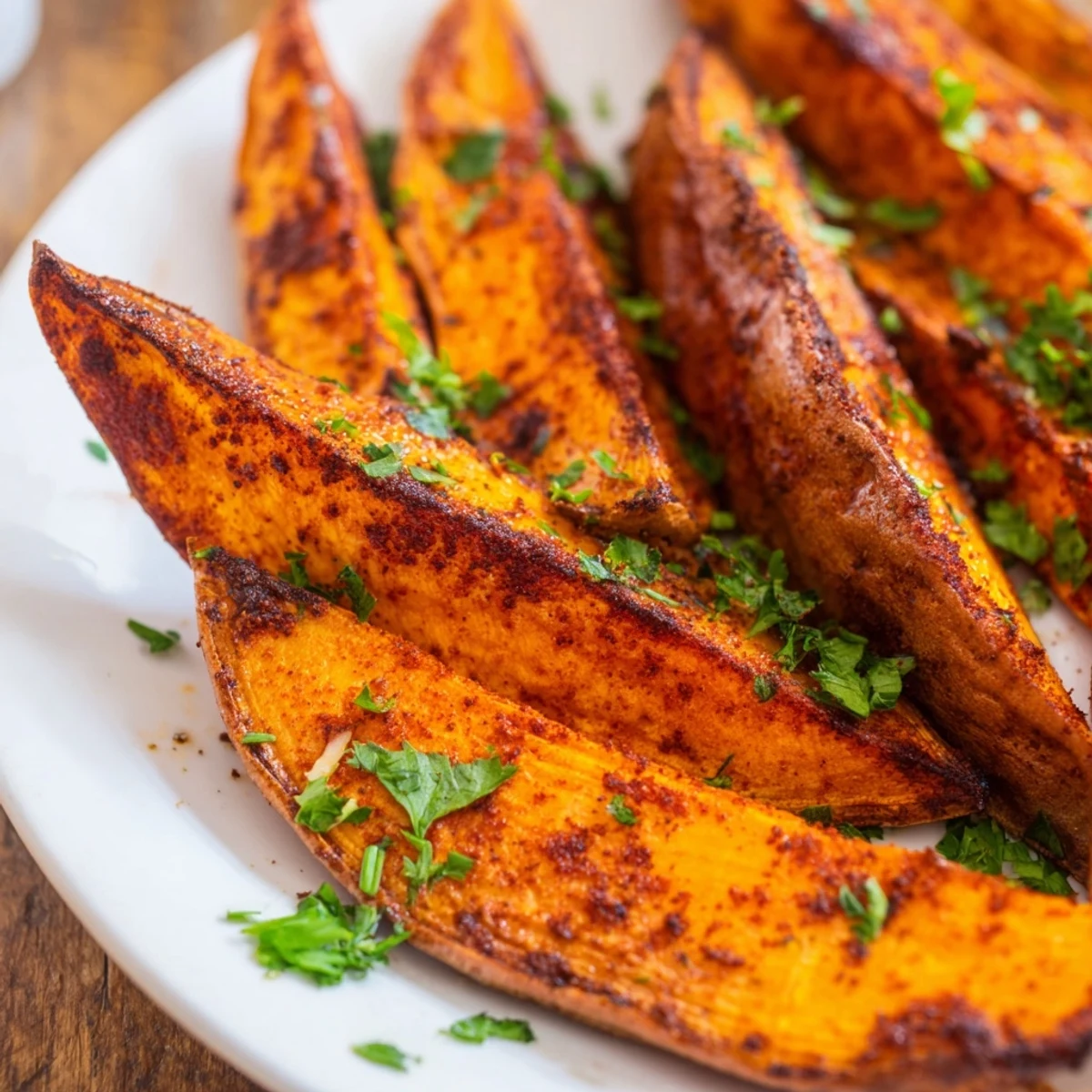
 These sweet potato wedges are cut evenly and coated with olive oil, smoked paprika, garlic powder, salt, pepper, and optional thyme before roasting at high heat. The roasting process creates a crispy exterior while keeping the inside tender and flavorful. A sprinkle of fresh parsley adds a bright finishing touch. Ideal as a satisfying and naturally gluten-free side dish, these wedges pair well with dips or as a complement to various meals.
There's something about the smell of smoked paprika hitting a hot oven that stops me mid-task, every time. I discovered these wedges by accident one weeknight when I was tired of the same roasted vegetables and decided to raid my spice cabinet instead of ordering takeout. The paprika turned everything this gorgeous burnt-orange color, and the edges got crispy while the insides stayed tender—my kitchen smelled like a Spanish tapas bar, and suddenly dinner felt intentional.
I made these for a friend who'd just gone vegetarian, and she kept asking what the "magic seasoning" was because she'd never considered sweet potatoes could taste this savory. We ate them straight off the sheet, burned our fingers, didn't care. That's when I knew this was a keeper.
Ingredients
- 2 large sweet potatoes (about 700 g), scrubbed and unpeeled: Keep the skin on—it crisps up beautifully and you'll miss out on texture if you peel them.
- 2 tbsp olive oil: Don't skimp here; good oil makes the difference between soggy and golden.
- 1½ tsp smoked paprika: This is the star, so grab real smoked paprika, not the regular kind—the flavor is deeper and more complex.
- ½ tsp garlic powder: Adds savory depth without overpowering the paprika.
- ½ tsp sea salt: Adjust to taste; I sometimes add a tiny pinch more.
- ¼ tsp freshly ground black pepper: Fresh ground matters more than you'd think for the bite.
- ½ tsp dried thyme (optional): I usually add this because it whispers herbal notes underneath everything else.
- 1 tbsp chopped fresh parsley (optional): A fresh finish that makes them look like you tried.
Instructions
- Get your oven hot:
- Preheat to 220°C (425°F) and line a baking sheet with parchment paper so nothing sticks and cleanup is painless.
- Cut your potatoes into wedges:
- Aim for about 1.5 cm thick pieces—uniform size matters because they'll cook at the same rate, leaving you with no sad undercooked wedges hiding underneath.
- Coat everything evenly:
- Toss the wedges in a large bowl with the oil and all seasonings until every piece is dressed—this is where the flavor lives, so don't rush it.
- Arrange on the sheet:
- Spread them in a single layer with space between each wedge; crowding the pan makes them steam instead of roast, and you want crispy edges.
- Roast and flip:
- After 15 minutes, flip each wedge over and let them go another 12–15 minutes until the edges are golden brown and the surface looks slightly caramelized.
- Finish and serve:
- Pull them out, let them rest for a minute so they firm up, then scatter parsley on top if you're feeling fancy.
 Save to Pinterest
 These wedges became my go-to when I needed to bring something to a potluck and wanted people to remember it for the right reasons. Someone asked for the recipe, and I realized I'd made them so many times I'd stopped thinking about it—that's when cooking becomes muscle memory instead of work.
The Secret to Crispy Edges
The difference between wedges that are just soft and ones that have that audible crunch comes down to two things: oven heat and spacing. Your oven needs to actually be 220°C—not 200°C, not 215°C—because those few degrees shift roasting into proper caramelization. And space matters because steam is your enemy; wedges crowded together essentially steam themselves into mushiness. I learned this the hard way by making them in batches when I was feeding a crowd, and the first pan was crispy while the second was limp. Now I'd rather roast two smaller batches than compromise the texture.
Pairing and Serving Ideas
I serve these alongside almost everything because they're flexible without being boring. They work as a side to grain bowls, alongside fish, next to burgers, or on their own as a snack with a yogurt dip. The smoked paprika flavor bridges gaps—it's earthy enough for vegetarian plates but savory enough that meat-eaters don't feel like they're eating rabbit food. My favorite discovery was pairing them with a spicy ketchup and a cooling dip, which turns them into something that feels almost indulgent.
Ways to Customize Without Losing the Magic
While smoked paprika is the backbone here, you can play around without abandoning the dish entirely. I've swapped it for regular paprika when I was out and added a pinch of cayenne for heat, or used chili powder for a slightly smokier, earthier twist. The thyme can be replaced with rosemary if you want something more piny, and I've added everything from cumin to a whisper of cinnamon depending on what I'm serving them with. The point is to respect the foundation—good oil, proper heat, even cutting—and let the seasonings be your canvas.
- Try a sprinkle of sumac for brightness, or nutritional yeast for a cheesy note.
- Add a squeeze of fresh lemon juice right after roasting if you want acidity to cut through richness.
- Use Aleppo pepper instead of black pepper for fruity complexity and a gentler heat.
 Save to Pinterest
 These wedges remind me that the simplest recipes often become the most valuable ones in your kitchen rotation. They've fed people I love, filled lunchboxes, and proven that vegetable sides don't have to be an afterthought.
Recipe FAQs
- → How do you get the wedges crispy?
-
Soaking the wedges in cold water before roasting helps remove excess starch, and spreading them in a single layer allows even crisping during high-heat roasting.
- → Can I use regular paprika instead of smoked paprika?
-
Yes, regular paprika or chili powder can be used for a different flavor profile, though the smoky notes will be less pronounced.
- → Should the sweet potatoes be peeled before cooking?
-
Peeling is optional; keeping the skin adds texture and nutrients while roasting.
- → What temperature is best for roasting?
-
Roasting at 220°C (425°F) ensures the wedges cook through while developing a crispy, golden exterior.
- → Are these wedges suitable for special diets?
-
Yes, they are vegan, gluten-free, and vegetarian, making them suitable for various dietary preferences.