
 Save to Pinterest
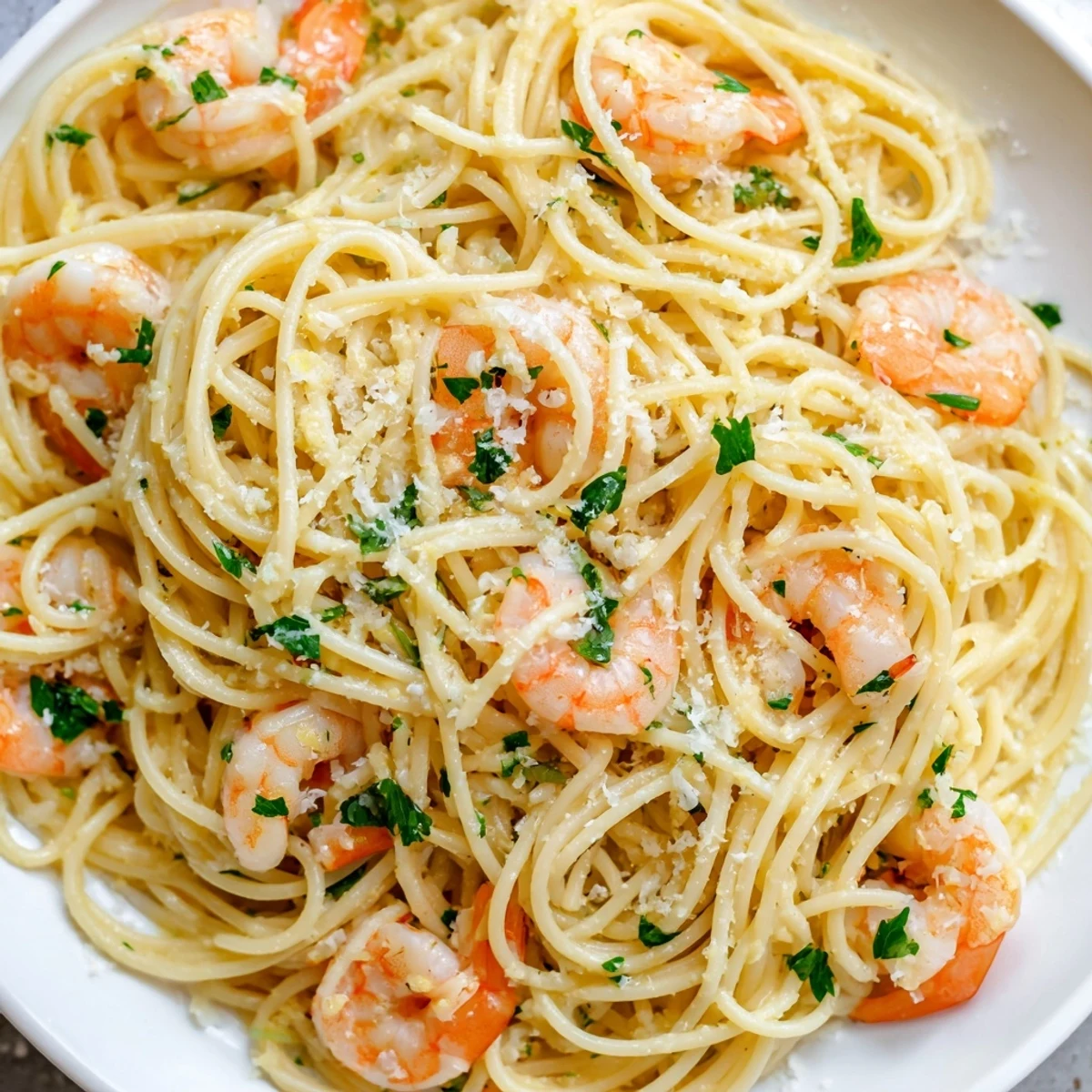
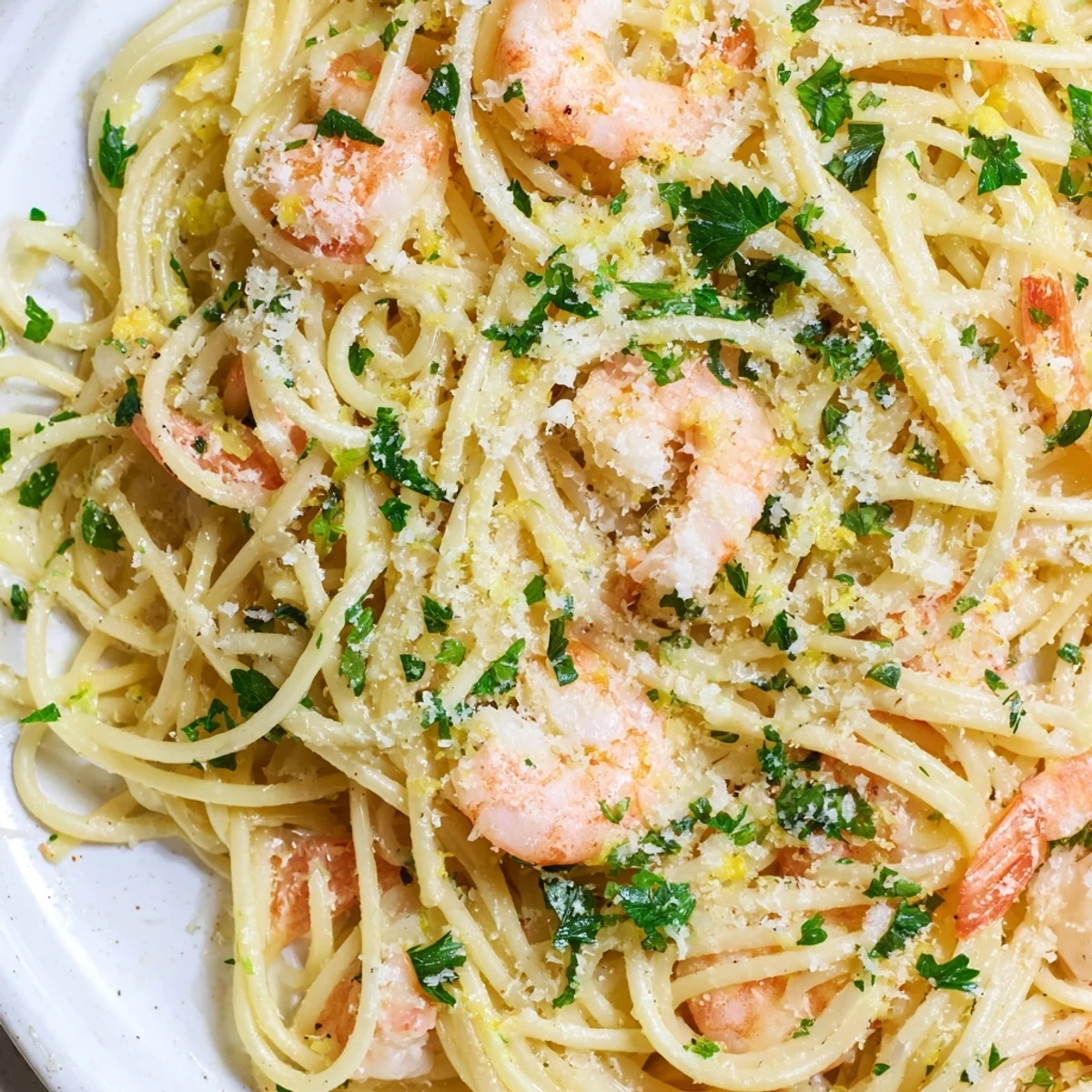
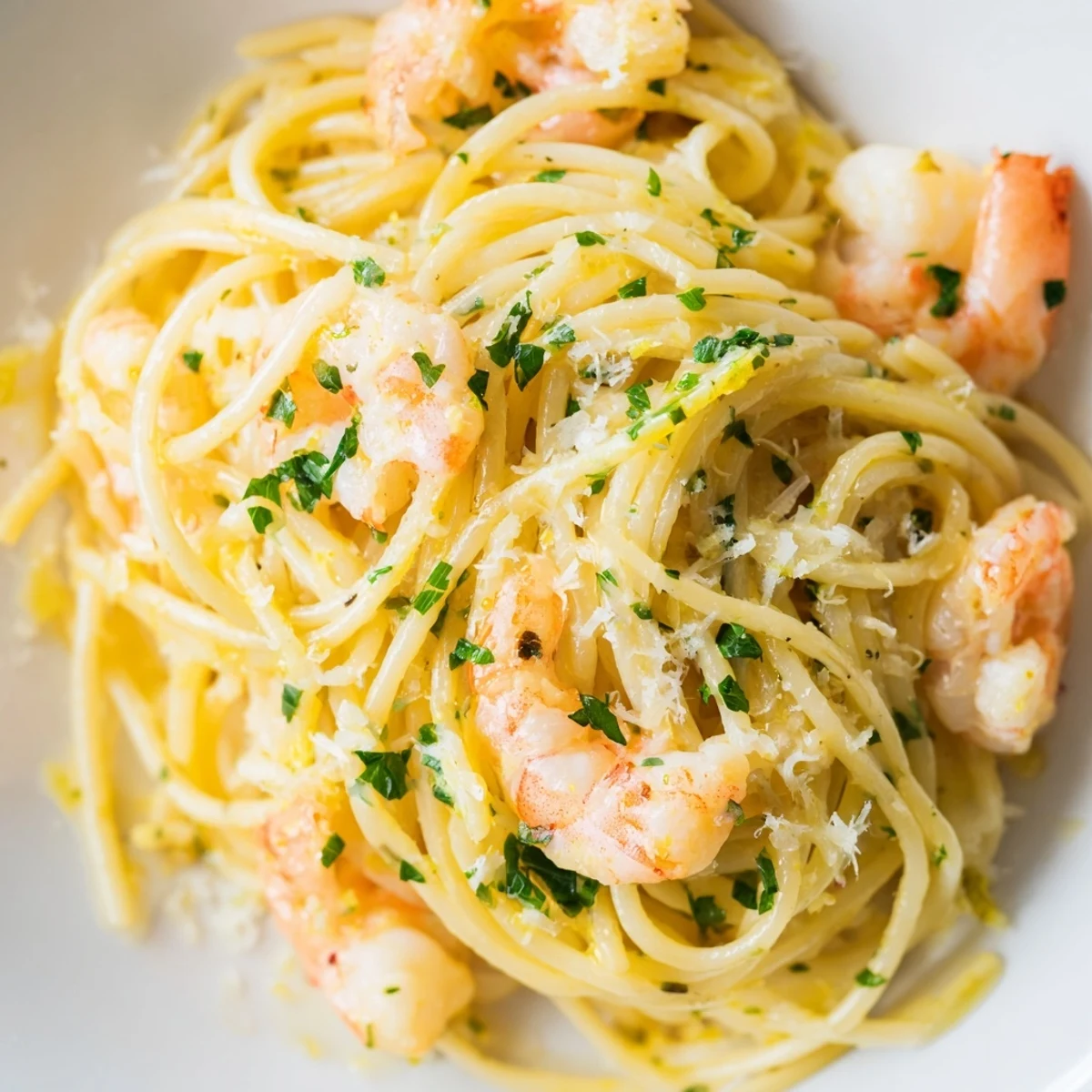
 This Italian-American classic combines succulent shrimp with a vibrant garlic, lemon, and white wine sauce. The shrimp are quickly sautéed until opaque and pink, then removed while the sauce is reduced to concentrate flavors. Al dente spaghetti joins the shrimp in the skillet, where everything is tossed together to coat each strand in the silky buttery sauce. Fresh parsley adds brightness, while reserved pasta water creates the perfect consistency. The dish balances richness from butter with bright acidity from lemon, creating a harmonious plate that's both comforting and refreshing.
The first time I made shrimp scampi, I was cramped in a tiny apartment kitchen with barely enough counter space to chop garlic. My roommate kept wandering in, drawn by the perfume of butter and white wine hitting the hot pan, asking if it was done yet. That night I learned that the best things often come from simple ingredients treated with respect. Now this recipe lives in my regular rotation, a weeknight luxury that somehow feels special without requiring hours of effort.
Last summer I made this for my parents on their patio, surrounded by twinkle lights and empty wine bottles. My dad, who usually complains about garlic being too strong, went back for thirds. The lemon brightness cuts through the richness perfectly for warm weather eating. Something about gathering around a bowl of pasta makes people linger at the table longer.
Ingredients
- 1 lb large shrimp: Buy them already peeled and deveined to save yourself the tedious work, just pat them completely dry before cooking so they sear instead of steam
- 12 oz spaghetti or linguine: The long strands catch the sauce beautifully, though I have used penne in a pinch when that was all hiding in the pantry
- 4 tbsp unsalted butter: Use room temperature butter so it melts evenly into the olive oil, creating that emulsified sauce base
- 3 tbsp olive oil: This prevents the butter from burning at higher heat while adding its own grassy flavor
- 6 garlic cloves: Do not be shy here, garlic is the backbone and mince it finely so it melts into the sauce rather than leaving chunks
- ¼ tsp red pepper flakes: Even if you do not love heat, this tiny amount provides a warm hum that balances the butter and lemon
- ½ cup dry white wine: Something you would actually drink matters here, cheap cooking wine can make the sauce taste harsh and acidic
- 1 large lemon: Both zest and juice are nonnegotiable, the zest holds the aromatic oils while the juice provides brightness
- ¼ cup fresh parsley: Add this at the very end so it stays vibrant and fresh, a green contrast against the golden sauce
Instructions
- Get your pasta water going first:
- Salt it aggressively, like the ocean, because this is your only chance to season the pasta itself
- Cook the pasta until al dente:
- Reserve that precious half cup of starchy pasta water before draining, it is the secret to silkier restaurant style sauces
- Heat butter and olive oil together:
- Let them foam slightly over medium high heat, watching carefully so the dairy solids do not brown and turn bitter
- Add the garlic and pepper flakes:
- Give them exactly one minute, just long enough to perfume the oil without letting the garlic color at all
- Lay in the shrimp carefully:
- Crowd the pan too much and they will steam, so work in batches if your skillet is smaller than 12 inches
- Flip and check after a minute:
- They cook faster than you think, remove them the moment they turn opaque throughout because residual heat will finish them
- Pour in the white wine:
- Use your wooden spoon to scrape up any golden bits from the bottom, that is where the flavor lives
- Let the wine reduce by half:
- This concentrates the flavors and cooks off the harsh alcohol taste
- Add lemon zest and juice:
- Stir vigorously and watch the sauce transform into something glossy and bright
- Return everything to the skillet:
- Toss the pasta and shrimp together, adding pasta water a splash at a time until the sauce clings to every strand
- Finish with parsley:
- Throw it in right before serving so it maintains its fresh green color and herbaceous pop
 Save to Pinterest
 My friend Sarah texted me at midnight once after making this, saying her husband had already requested it for his birthday dinner. There is something universally comforting about pasta tossed in a buttery wine sauce. It became their go to anniversary dish, proof that simple food prepared with care creates the most lasting memories.
Wine Pairings That Work
The same wine you cook with makes an excellent pairing, something crisp and acidic like Sauvignon Blanc or Pinot Grigio. I have also served this with chilled Chablis when feeling fancy, or a dry rosé in warmer months. The key is keeping the wine bright and acidic to match the lemon and stand up to the butter.
Make It Your Own
Sometimes I toss in a handful of cherry tomatoes that burst and release their juices into the sauce. Other times a spoonful of capes finds its way in, adding briny pops that complement the sweet shrimp. My mother in law adds a touch of cream at the end, though purists might gasp at the betrayal.
Side Dish Ideas
A crisp green salad with an acidic vinaigrette cuts through the richness beautifully. I have also served roasted asparagus or broccolini alongside when wanting something substantial. Garlic bread seems redundant here given all the garlic in the sauce, but that has never stopped anyone at my table.
- Keep the sides light since this is already quite filling
- A simple arugula salad with lemon dressing works wonderfully
- Crusty bread is never a mistake, even if sauce coverage is not an issue
 Save to Pinterest
 Great food does not require complicated techniques or obscure ingredients, just attention to detail and a willingness to trust the process. This pasta has taught me that lesson more times than I can count, usually on busy weeknights when comfort matters most.
Recipe FAQs
- → What type of wine works best for this dish?
-
Dry white wines like Sauvignon Blanc or Pinot Grigio are ideal choices. Their crisp acidity complements the buttery sauce and bright lemon flavors. If avoiding alcohol, quality chicken broth makes an excellent substitute while maintaining the liquid needed for the sauce reduction.
- → How do I prevent the shrimp from becoming rubbery?
-
Cook shrimp just until they turn opaque and pink, typically 1-2 minutes per side. Overcooking is the primary cause of rubbery texture. Remove them from the pan immediately once done, then return them at the end to warm through without additional cooking time.
- → Can I make this dish gluten-free?
-
Absolutely. Substitute regular spaghetti with your preferred gluten-free pasta—brown rice, quinoa, or chickpea varieties all work well. The sauce preparation remains identical, though you may need slightly more or less pasta water depending on the gluten-free pasta's starch content.
- → What's the purpose of reserving pasta water?
-
Pasta water contains starch released during cooking, which helps emulsify the butter and oil into a silky sauce that clings beautifully to each strand. Adding this liquid gradually creates a creamy consistency without needing heavy cream or flour thickeners.
- → How can I add more vegetables to this dish?
-
Cherry tomatoes halved and added during the wine reduction create bursts of sweetness. Spinach or arugula can be wilted in during the final toss. Asparagus pieces, peas, or broccoli also complement the garlic-lemon profile when added early enough to become tender.
- → Can I prepare this in advance?
-
The components can be prepped ahead—clean the shrimp, mince garlic, zest and juice the lemon. However, this dish is best enjoyed immediately after preparation. The sauce emulsion is most silky and the shrimp most tender when served fresh. If necessary, cook pasta and shrimp separately, then gently reheat and toss with sauce.