
 Save to Pinterest
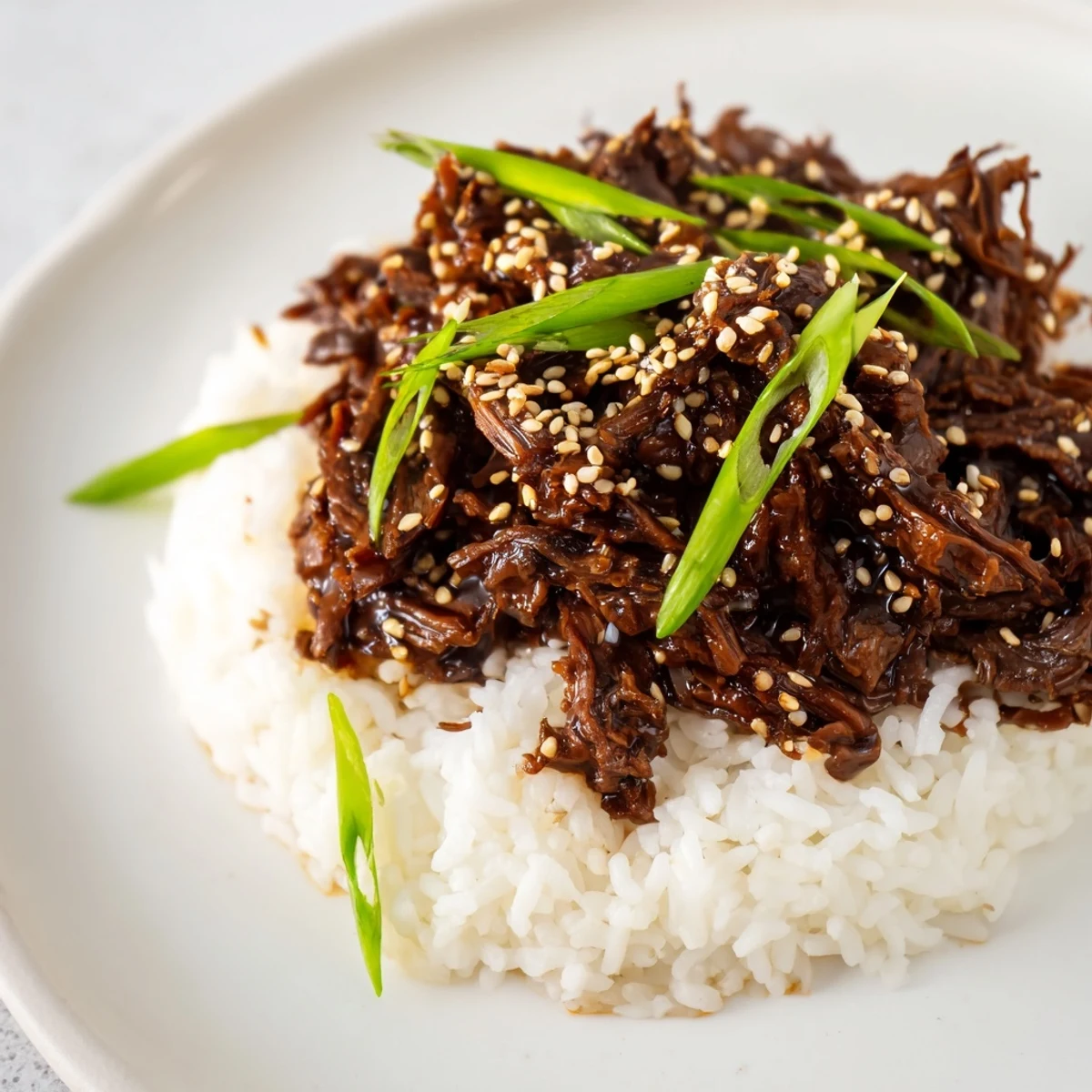
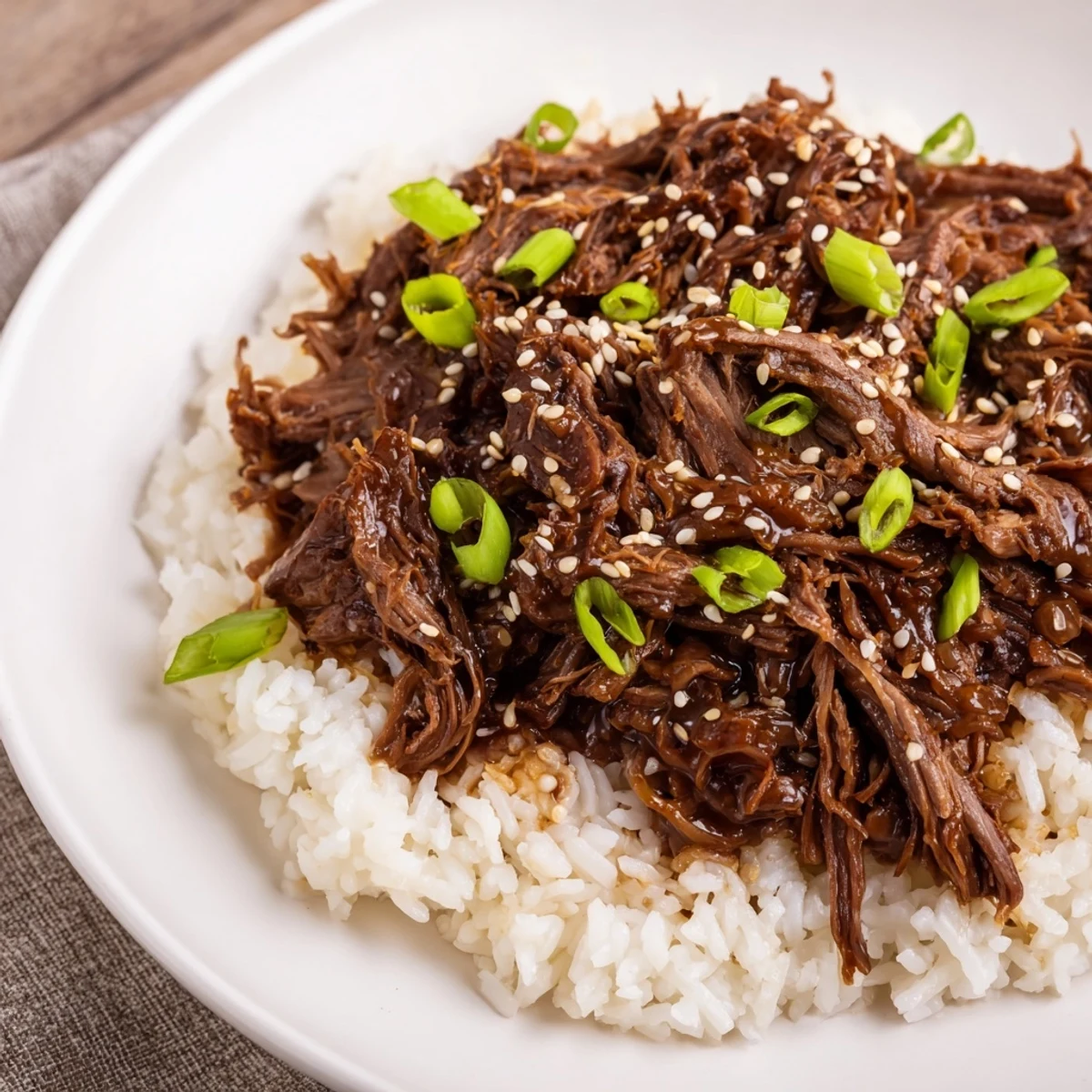
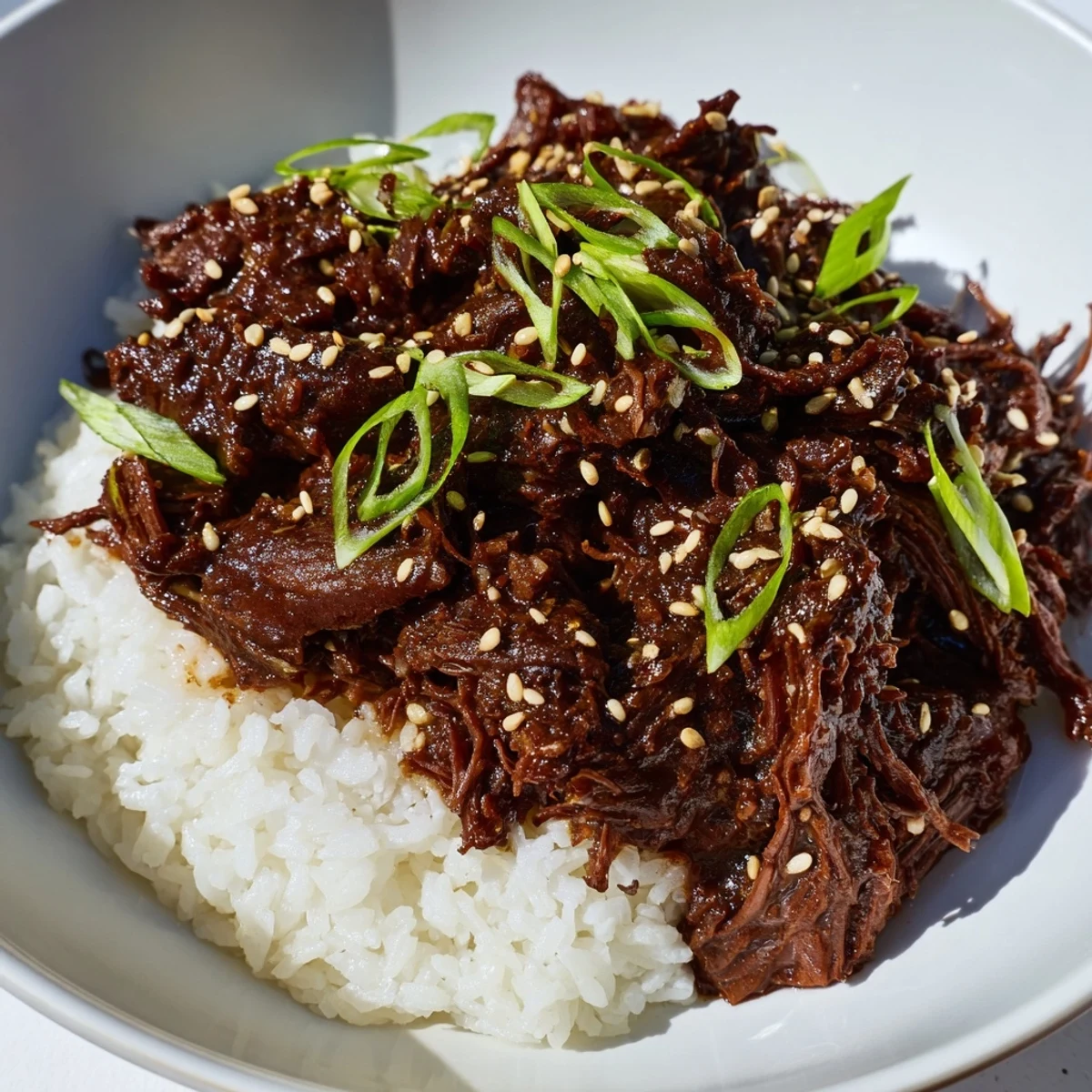
 This Korean-style beef is slow-cooked until tender in a rich, savory, and sweet sauce made from soy, brown sugar, garlic, ginger, and gochujang. The beef is cooked low and slow for hours, allowing the flavors to meld beautifully and the meat to shred easily. Perfect served over steamed rice, wrapped in lettuce leaves, or paired with pickled vegetables. Garnished with green onions and sesame seeds for added texture and flavor. Gluten-free options are available by swapping soy sauce with tamari.
The smell of sesame and garlic filling my apartment on a lazy Sunday changed how I thought about slow cooking forever. A friend had just returned from Seoul and kept raving about these incredible beef bowls she'd eaten, and I became determined to recreate that magic at home. After three attempts that were either too sweet, too salty, or completely lacking depth, I finally nailed the balance in my little crockpot. Now it's the dish I make when I want something extraordinary but absolutely hands-off.
Last winter during a brutal snowstorm, I threw this together before heading out to shovel. Coming back inside to that aromatic warmth was absolute bliss. My neighbors ended up tracking me down, following the scent down the hallway, and we all ended up huddled around bowls of it while watching the snow pile up outside. Something about this beef just makes people gather.
Ingredients
- 2 lbs beef chuck roast: This cut has perfect marbling that breaks down beautifully during long cooking, becoming fork-tender and flavorful
- 1/2 cup low-sodium soy sauce: Using low-sodium gives you control over the saltiness since the sauce reduces and concentrates
- 1/3 cup brown sugar: Creates that signature Korean sweet-savory balance and helps the sauce caramelize slightly
- 1/4 cup water: Thins the glaze just enough so it coats everything evenly without becoming too thick
- 2 tablespoons rice vinegar: Adds essential brightness that cuts through the rich beef and brown sugar
- 1 tablespoon sesame oil: Toasted sesame oil is non-negotiable here, it provides that authentic Korean aroma
- 1 tablespoon freshly grated ginger: Fresh ginger has a zing that powdered version can never replicate, grate it right before adding
- 4 cloves garlic, minced: Dont be shy with the garlic, it mellows beautifully during the long cook time
- 2 tablespoons gochujang: This Korean chili paste brings mild heat and incredible umami depth
- 2 teaspoons toasted sesame seeds: Toasting your own seeds makes a huge difference in nutty flavor
- 4 green onions: Divide them so some cook into the sauce and some stay fresh for garnish
- Additional sesame seeds for garnish: Fresh seeds add perfect crunch and visual appeal
Instructions
- Whisk up your sauce:
- In a medium bowl, combine soy sauce, brown sugar, water, rice vinegar, sesame oil, ginger, garlic, gochujang, and toasted sesame seeds. Whisk until the brown sugar completely dissolves and the mixture feels silky smooth.
- Coat the beef:
- Place your beef chunks in the slow cooker and pour that gorgeous sauce over everything. Use tongs to turn the pieces, making sure each bit of beef gets thoroughly coated in the mixture.
- Add the aromatics:
- Scatter half of your sliced green onions over the beef. These will cook down and infuse the sauce with mild onion flavor while creating little pockets of sweetness.
- Let it work its magic:
- Cover and cook on low for 7 hours. The beef should be so tender that it practically falls apart when you touch it with a fork.
- Shred and stir:
- Use two forks to shred the beef right in the slow cooker, pulling it into bite-sized pieces. Stir everything around so all those shredded bits get coated in that thickened, flavorful sauce.
- Garnish generously:
- Serve hot over steamed rice, in crisp lettuce cups, or alongside simply steamed vegetables. Top with remaining fresh green onions, sesame seeds, and sliced red chili if you want extra kick.
 Save to Pinterest
 This recipe became my go-to for new parents and anyone recovering from surgery because it's nourishing comfort food that requires zero last-minute work. Watching someone take that first bite, eyes widening at how something so simple could taste so complex, that's the real reward.
The Secret to Authentic Flavor
Adding a tablespoon of Asian pear or apple puree to the sauce creates that restaurant-quality depth. The fruit enzymes help tenderize the beef while adding subtle sweetness that you can't quite put your finger on but definitely miss when it's gone.
Make It Your Own
This beef is incredibly versatile and works in so many contexts beyond rice bowls. I've stuffed it into steamed bao buns, piled it onto nachos, and even used it as a topping for gourmet Korean-style tacos. The sauce has enough character to carry whatever vehicle you choose.
Perfect Pairings
Think about what textures and flavors will complement the rich, tender beef. Fresh elements make all the difference in balancing each bite.
- Crisp cucumber pickled in rice vinegar cuts through the richness beautifully
- Steamed bok choy or spinach adds bright color and fresh nutrition
- A simple pot of fluffy jasmine rice is all you really need for a complete meal
 Save to Pinterest
 There's something deeply satisfying about a meal that takes care of itself while you go about your day, then welcomes you home with open arms and incredible aroma. Simple food, prepared well, shared with people you love, that's what cooking is really about.
Recipe FAQs
- → What cut of beef is best for this dish?
-
Beef chuck roast is ideal for slow cooking as it becomes tender and flavorful after long cooking times.
- → Can I make this dish gluten-free?
-
Yes, replacing soy sauce with tamari ensures the dish remains gluten-free without sacrificing flavor.
- → Is gochujang necessary for authentic flavor?
-
Gochujang adds a spicy, fermented depth typical of Korean cuisine, but mild chili paste can be a substitute if preferred.
- → How can leftovers be stored?
-
Store leftovers in an airtight container refrigerated up to 3 days or freeze for up to 3 months.
- → What are good serving suggestions?
-
Serve over steamed rice, in lettuce wraps, or alongside pickled vegetables like kimchi for a complete meal.