
 Save to Pinterest
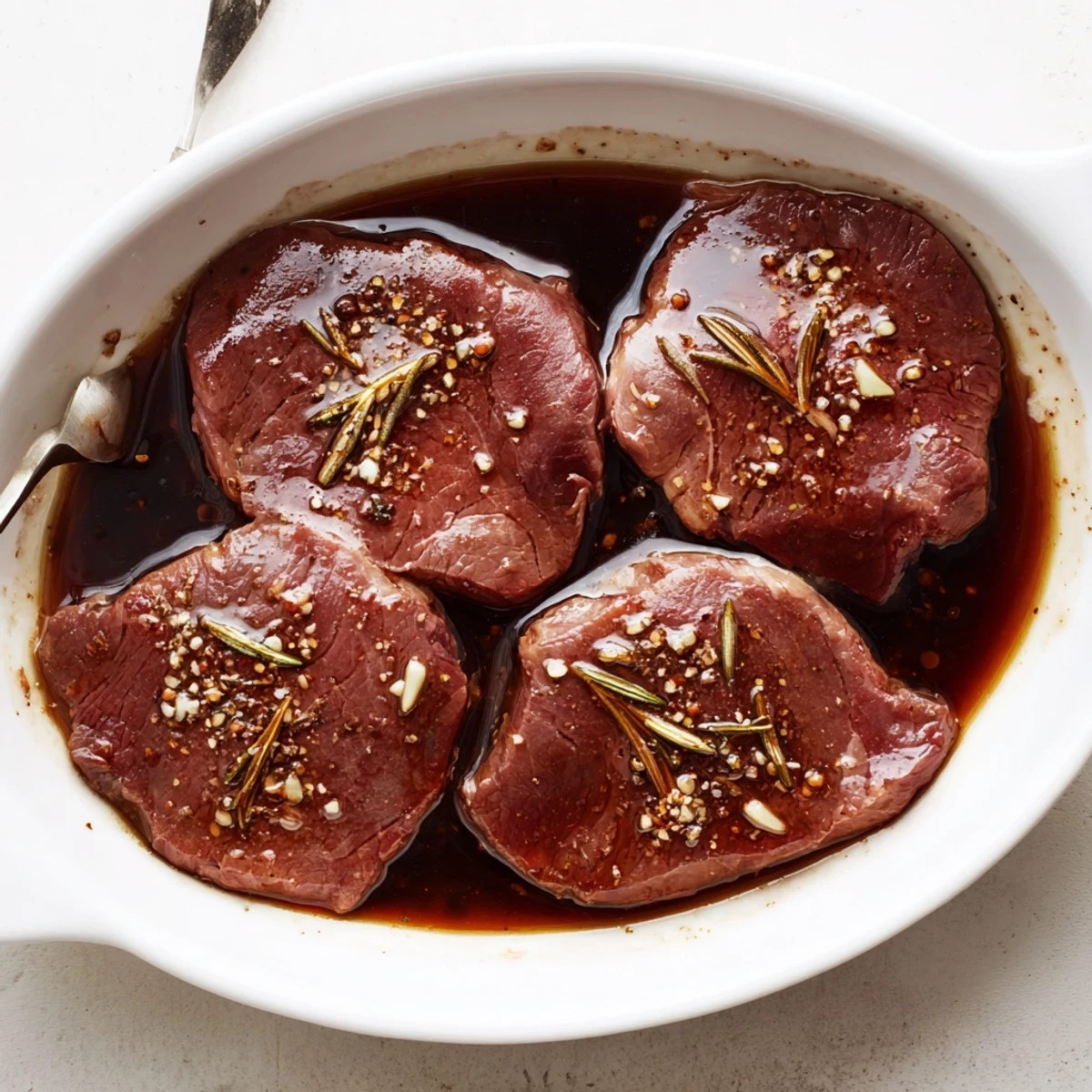
 This savory steak marinade combines soy sauce, olive oil, Worcestershire, balsamic and lemon with garlic, Dijon, brown sugar and rosemary to both flavor and tenderize beef. Whisk the ingredients, coat steaks and chill at least 2 hours (up to 24) for deeper flavor. Pat steaks dry before cooking and discard excess liquid. Ideal for grilling, pan-searing or broiling; add red pepper flakes for heat.
The sharp aroma of Worcestershire and balsamic has a way of announcing itself even before any steak hits the pan. My first foray into steak marinades was out of impatience – tired of bland supermarket cuts, I wanted to see if ten minutes and a few bottles from my pantry could make a difference. I remember the quick whisking, watching oil bead and mingle with soy, and half-wondering if I’d invented a mess. Still, as the marinade started soaking in, something about the glossy surface of those steaks promised a hidden depth I couldn’t wait to taste.
A couple of summers back, I prepped this in the shade while friends drifted around the yard, everyone tossing in opinions about just how garlicky was too garlicky. Marinating the steaks felt like a pause button — time to let the flavors work while laughter and stories filled the air.
Ingredients
- Soy sauce: This forms the savory, salty backbone, and I always reach for a good quality one — a splash extra doesn’t hurt, either.
- Olive oil: Adds richness and helps the marinade cling to every edge; a fruity, robust oil gives an extra dimension.
- Worcestershire sauce: Just a tablespoon too many and you’ll know – this darkens everything with an earthy intensity that boosts umami.
- Balsamic vinegar: For tang and a gentle sweet undertone, it pricks through the savoriness without overpowering.
- Lemon juice: Keeps things lively and helps tenderize, but I once made the mistake of bottled juice – nothing beats fresh-squeezed for brightness.
- Garlic: Four cloves minimum; the aroma alone is worth the effort, but freshly minced is key.
- Dijon mustard: Adds a sharp background note and helps emulsify the whole mixture.
- Brown sugar: A little sweetness balances the tangy and salty elements, and I’ve found dark brown sugar brings a slight smokiness.
- Black pepper: Freshly ground makes a big difference, infusing a subtle heat throughout.
- Rosemary: Crushed between your fingers before adding, dried or fresh rosemary gives an herbal lift.
- Onion powder: Rounds out the flavor and adds depth without overpowering the stars of the show.
Instructions
- Mix the marinade base:
- In a medium bowl, whisk soy sauce, olive oil, Worcestershire, balsamic vinegar, and lemon juice until the mixture actually looks unified and glossy.
- Add your flavor boosters:
- Drop in garlic, Dijon, brown sugar, black pepper, rosemary, and onion powder, whisking again – you should see bits of garlic and flecks of herbs suspended in the mix.
- Marinate the steaks:
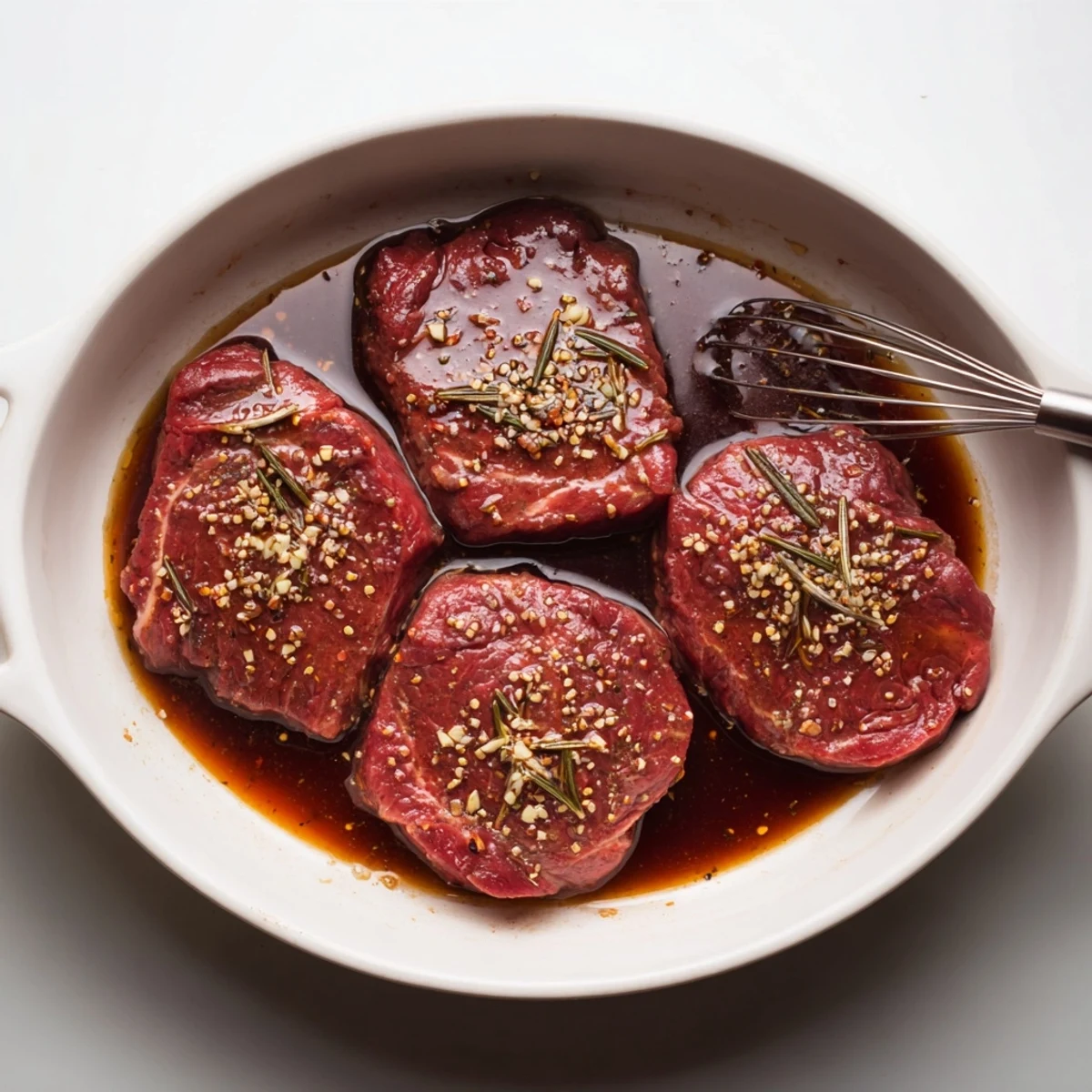
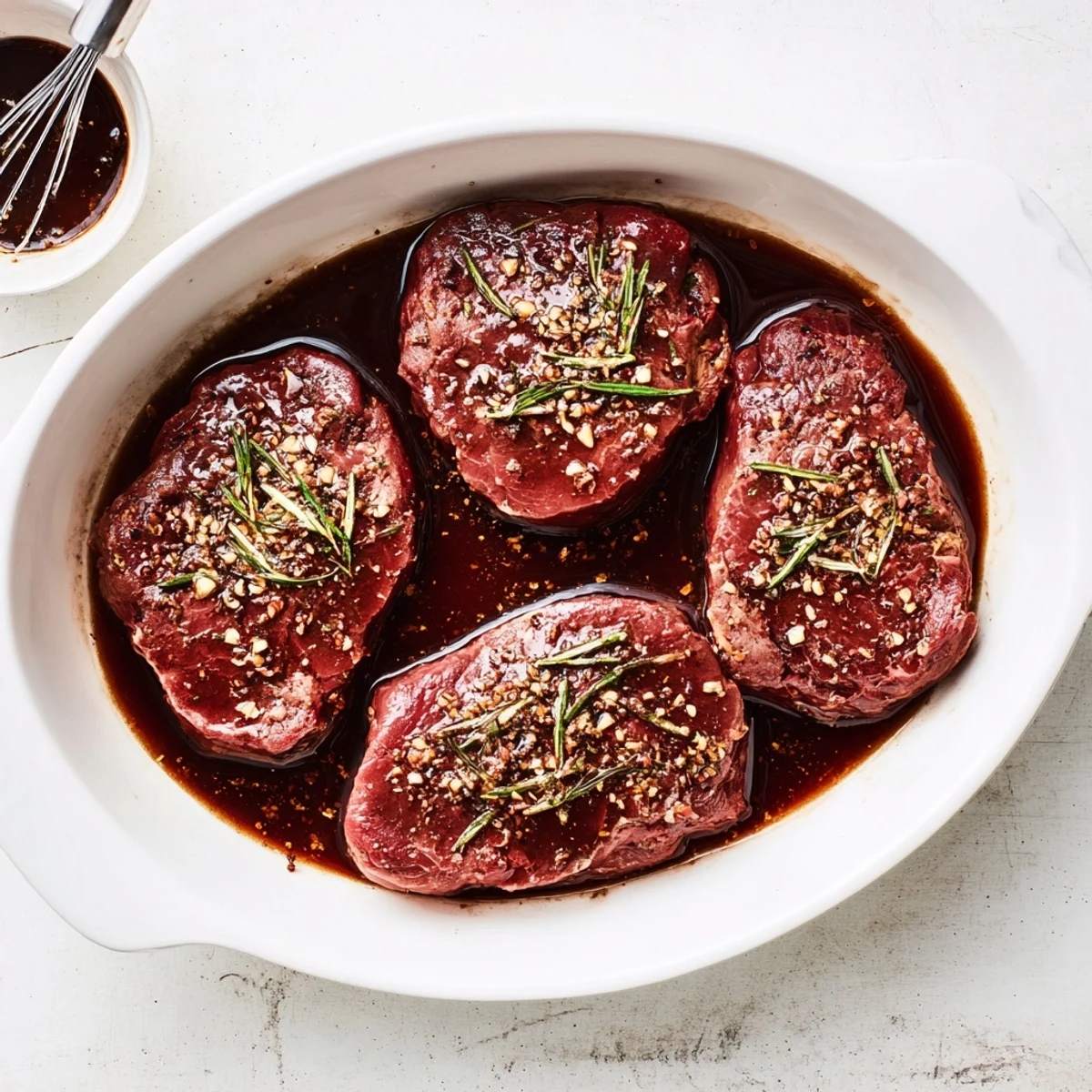
- Nestle your steaks in a bag or shallow dish, pour over the marinade, then massage gently so every surface is coated; your hands will smell amazing, trust me.
- Allow time to work its magic:
- Seal or cover, refrigerate, and let the marinade do its job for at least 2 hours — overnight if you’ve planned ahead; give the steaks a turn a couple of times for even soaking.
- Prep to cook:
- Remove steaks, pat them dry so they sear rather than steam, and discard any leftover marinade; now they’re ready for your favorite grill, pan, or broiler treatment.
 Save to Pinterest
 There’s a particular kitchen hum I remember when these stakes hit the grill at a friend’s move-in celebration — chatter quieted just a little as the first wisps of caramelized marinade drifted over, drawing everyone closer to the action. It’s the kind of moment when food abruptly becomes the center of attention, not just what’s for dinner.
Making It Your Own
Once or twice I swapped in maple syrup for the brown sugar and a bit of thyme for rosemary; the results had a lighter, woodsy note that paired well with grilled vegetables. This basic marinade is forgiving — it took a few playful substitutions to realize it welcomes new twists more than most recipes do.
Other Cuts and More Uses
I started using this for pork chops and even chicken thighs when I craved the same depth of flavor, cutting the marination to half the usual time. If you’re ever short on steak, try it with portobellos for a fantastic vegetarian option that soaks up flavor in all the right places.
Quick Kitchen Reminders
Sometimes the simplest tools make a difference: I’ve marinated in a zip-top bag and in a glass baking dish, but bags make flipping much easier with fewer dishes. Trust your taste — sample a bit of the marinade (before tossing with meat) to adjust the sweetness, heat, or acidity to your liking. It’s easy to underestimate how much those little tweaks add up in the final bite.
- Always use fresh garlic, not pre-minced.
- Flip the steaks at least once for even marination.
- Marinade left over from raw meat should never be reused.
 Save to Pinterest
 No matter the cut of meat or who’s gathered around, this marinade guarantees something crave-worthy at your table. I hope your steaks are as juicy, savory, and conversation-sparking as any I’ve ever shared.
Recipe FAQs
- → How long should steaks marinate for best results?
-
Marinate at least 2 hours for noticeable flavor and tenderizing; 6–24 hours intensifies the profile. Very thin cuts need less time to avoid textural change.
- → Can I swap the brown sugar for another sweetener?
-
Yes. Honey or maple syrup work well and promote browning; reduce quantity slightly as liquid sweeteners are more fluid and can alter caramelization.
- → Which cooking method works best after marination?
-
Grilling and high-heat pan-searing give the best sear and caramelization on marinated steaks. Broiling is a good indoor alternative; always pat dry before cooking to maximize browning.
- → Will the soy and Worcestershire make the steak too salty?
-
Soy and Worcestershire add saltiness. Use low-sodium soy sauce or shorten marinating time for delicate cuts. Avoid rinsing; instead pat dry to control surface salt and achieve a good sear.
- → Can this blend be used for other proteins?
-
Yes. It adapts well to pork chops and chicken breasts; reduce marination time for poultry to prevent over-tenderizing and adjust seasoning to taste.
- → How should I handle and store the marinade safely?
-
Always marinate in the refrigerator and discard any marinade that contacted raw meat. If you want to use it as a sauce, reserve a portion before adding raw protein or boil the used marinade thoroughly.