
 Save to Pinterest
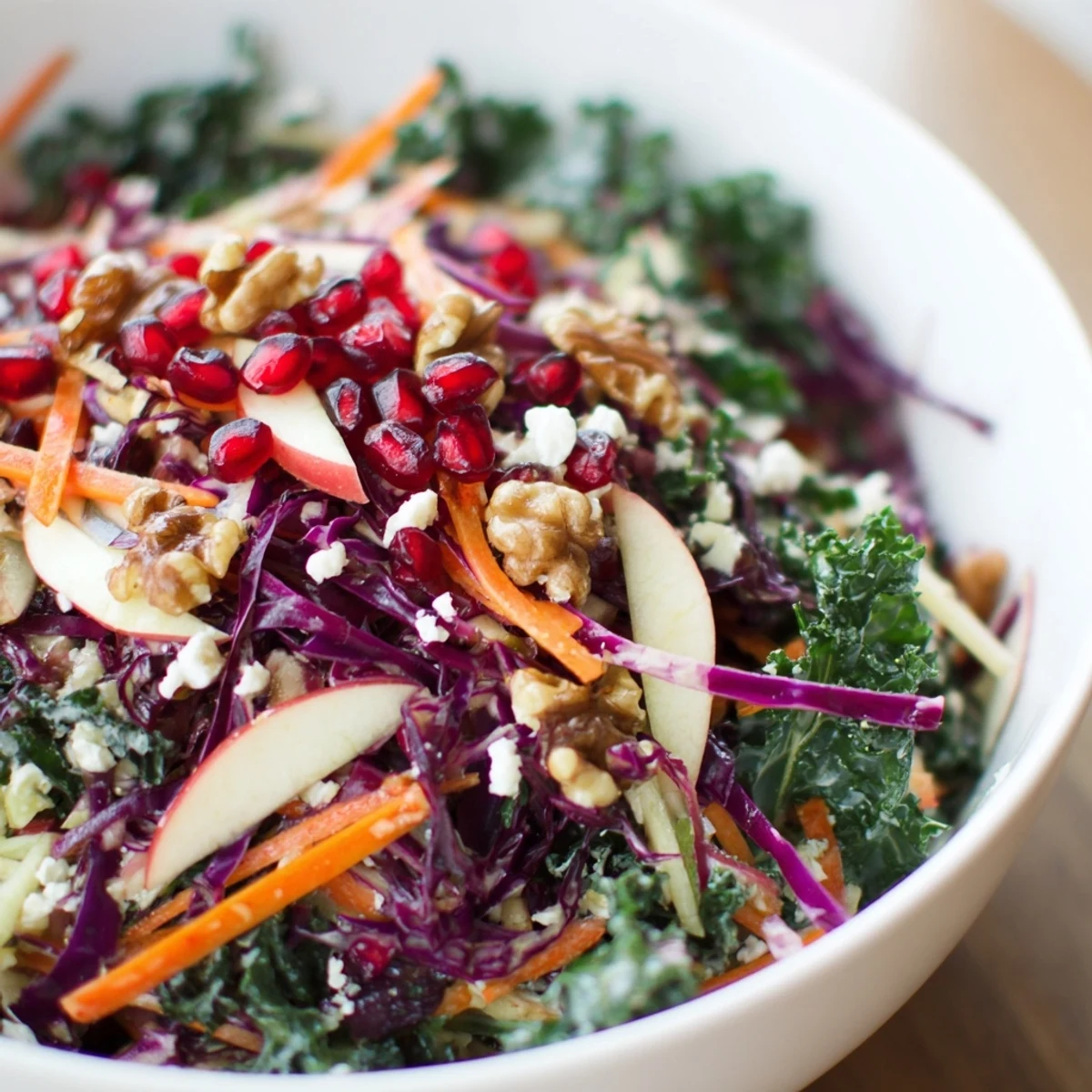
 This winter salad mix highlights seasonal produce including kale, red cabbage, apple, and pomegranate seeds for a crisp and colorful dish. A simple dressing of olive oil, apple cider vinegar, Dijon mustard, and honey brings a harmonious flavor balance. Toasted walnuts add crunch, while optional feta cheese offers a creamy contrast. Perfect as a light starter or a nutritious meal, this salad is quick to prepare and suits vegetarian and gluten-free diets. Variations include adding roasted butternut squash or quinoa for added heartiness.
There's something about early December when the farmers market transforms into this riot of jewel tones and deep greens that makes me want to abandon my usual salad habits entirely. I was standing there one crisp morning, hands already full of kale and pomegranate, when a woman next to me started chatting about how she massages her greens like they're tense shoulders. That conversation changed everything for me, and this winter salad became the thing I couldn't stop making.
I made this for my sister's holiday dinner last year, and she picked at it cautiously at first like she was doing me a favor. By the end of the meal she'd gone back for seconds and was asking for the recipe before dessert was even served. That's when I knew this wasn't just another salad I'd made once and forgotten.
Ingredients
- Kale: The stems are genuinely tough and bitter, so removing them makes all the difference between a pleasant salad and one that feels like chewing a sweater.
- Red cabbage: Thin slices matter here because thin means it absorbs the dressing while staying crisp, and the color is honestly the best part.
- Carrot: Julienning takes a few extra minutes but those thin ribbons add this delicate sweetness that thick chunks can't deliver.
- Apple: Granny Smith keeps its structure and tang, but Honeycrisp adds a juicy sweetness if you prefer less tartness in your bowl.
- Pomegranate seeds: They're expensive in December, but those little bursts of tart juice are what make this feel special rather than obligatory.
- Walnuts: Rough chopping leaves some bigger pieces that stay satisfyingly crunchy instead of turning to powder.
- Feta cheese: Optional but honestly necessary for me, adding this salty creamy element that makes everything else shine brighter.
- Extra-virgin olive oil: Don't skimp here because this is where the fat and flavor come from in a raw salad.
- Apple cider vinegar: The acidity is the backbone that wakes up every vegetable and keeps the whole thing from tasting flat.
- Dijon mustard: Just a teaspoon acts as an emulsifier so the dressing actually clings to the greens instead of pooling at the bottom.
- Honey or maple syrup: A tiny bit balances the vinegar's sharpness without making it sweet, just rounded and complete.
Instructions
- Soften the kale:
- Pile your chopped kale into a big bowl with just a pinch of salt and massage it gently with your hands for a minute or two, like you're coaxing it awake. You'll feel it relax under your fingers and turn a brighter green, and that's when you know it's ready.
- Build the salad layers:
- Add the cabbage, carrot, apple, and pomegranate seeds directly to the kale without overthinking it. The different textures and colors should look chaotic and beautiful, not arranged.
- Make the dressing:
- Whisk the olive oil, vinegar, mustard, honey, salt, and pepper together in a small jar or bowl until it looks thicker and paler, which means the emulsifier is doing its job. Taste a tiny drop on your finger and adjust the salt or vinegar to match your preference.
- Marry the components:
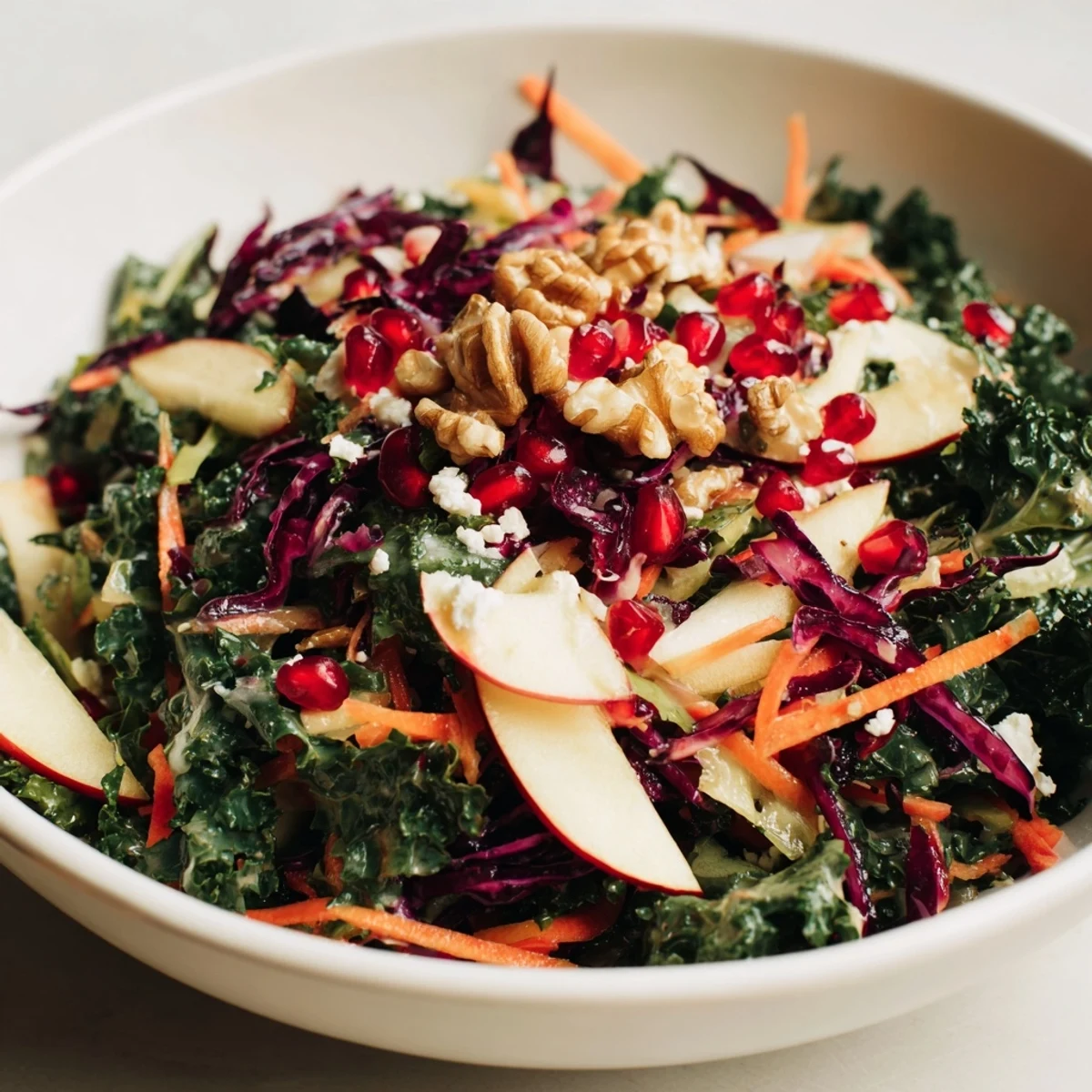
- Pour the dressing over everything and toss gently with your hands or two spoons until every piece glistens. The massage will have loosened the kale enough that it can hold the dressing without falling apart.
- Top and finish:
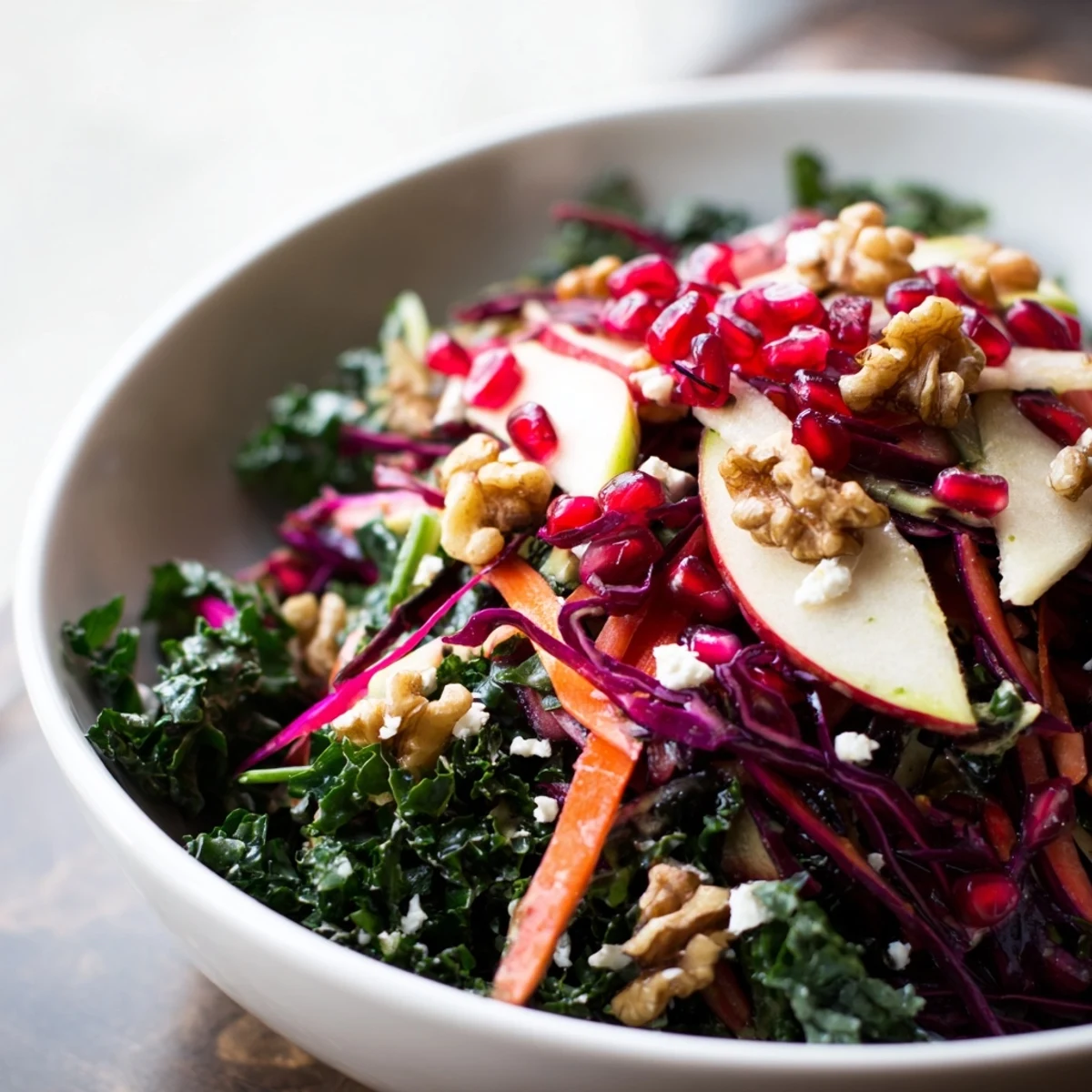
- Scatter the walnuts and feta across the top right before serving so they stay crisp and don't get soggy from the dressing. If you need to make this ahead, wait and add these finishing touches just before anyone eats.
 Save to Pinterest
 What surprised me most about making this salad over and over is how it became the dish people requested specifically, not just something I threw together on a busy night. It taught me that simple ingredients treated with a little care can absolutely become someone's favorite thing you make.
Why Winter Vegetables Actually Shine Raw
I used to think raw vegetables meant summer, but then I realized that winter produce is actually better at standing up to bold flavors like vinegar and mustard. Kale becomes tender instead of bitter, cabbage stays crisp for days, and carrots have a natural sweetness that balances the sharpness. There's something about the cold season vegetables that makes them less watery and more forgiving in a salad.
The Secret to Dressing That Actually Works
I learned this the hard way after making countless sad salads where the dressing just slipped off and pooled at the bottom. The mustard is doing invisible work as an emulsifier, and the ratio of oil to vinegar matters because you need enough fat to coat everything but enough acid to wake it up. Once you understand that, you can taste your dressing and trust your instincts instead of following numbers.
Variations and Extensions
This salad is generous enough to accept additions without losing its personality, whether you're making it heartier for dinner or lighter for a side.
- Roasted butternut squash adds a warm, creamy sweetness that extends this into colder weather territory.
- Cooked quinoa or farro transforms it into a complete meal that keeps you full through the afternoon.
- A drizzle of pomegranate molasses on top adds a tangy depth that makes people stop mid-bite and ask what that flavor is.
 Save to Pinterest
 This salad reminds me that the best recipes are the ones that taste good and also feel good to make, with colors that lift your mood on dark mornings. It's become my go-to when I want to feed people something nourishing that doesn't feel like sacrifice.
Recipe FAQs
- → What is the best way to soften kale for this salad?
-
Massage the chopped kale with a pinch of salt for 1–2 minutes until it becomes slightly tender and less bitter.
- → Can the feta cheese be omitted?
-
Yes, for a dairy-free or vegan option, omit the feta or replace it with plant-based cheese alternatives.
- → How can I add extra heartiness to this salad?
-
Try incorporating roasted butternut squash or cooked quinoa for a more filling version.
- → What nuts are used in this salad?
-
Chopped walnuts add a crunchy texture and subtle nuttiness to the mix.
- → Is this salad suitable for gluten-free diets?
-
Yes, all ingredients are naturally gluten-free, making this salad suitable for gluten-free diets.
- → What dressing pairs well with these ingredients?
-
A dressing of extra-virgin olive oil, apple cider vinegar, Dijon mustard, honey, salt, and pepper creates a balanced, tangy flavor.