
 Save to Pinterest
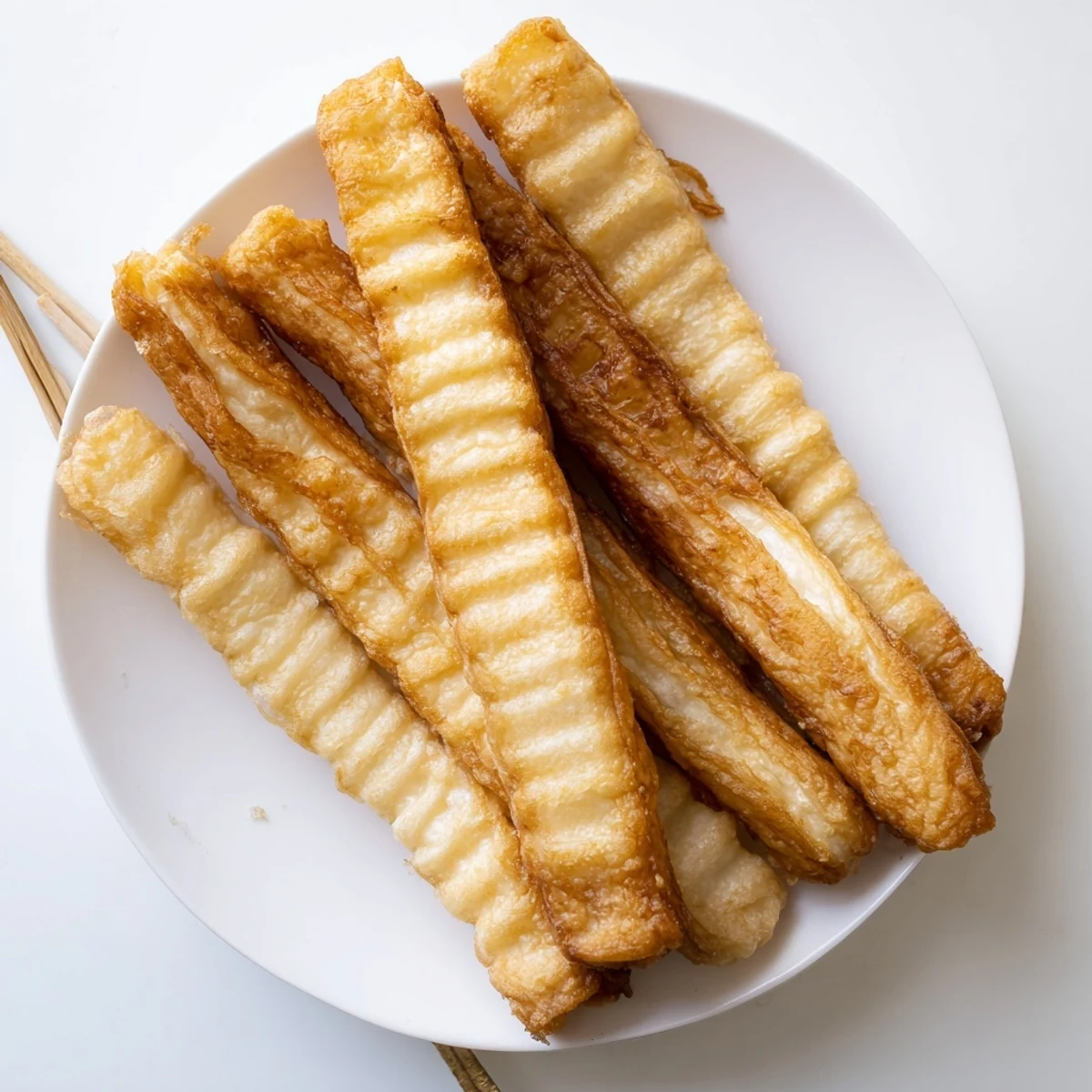
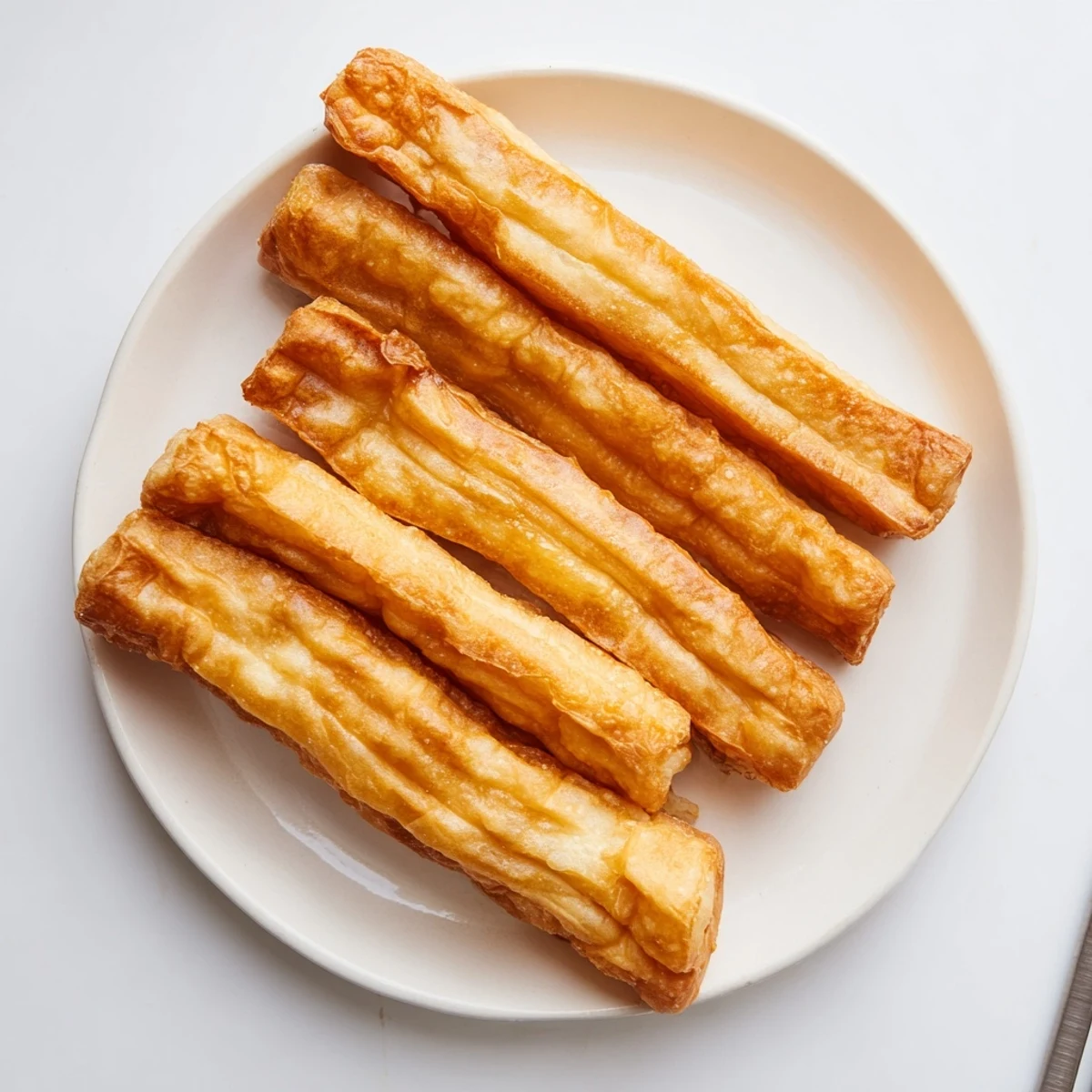
 Create authentic youtiao at home with this straightforward method. These beloved Chinese breakfast treats feature a perfectly crispy exterior and incredibly airy interior that makes them irresistible. The dough requires simple pantry staples and develops beautifully through two resting periods.
The traditional technique involves pairing dough strips and pressing them together, creating the signature hollow center when fried. Achieving the ideal texture depends on maintaining oil temperature around 375°F and turning the sticks constantly during frying.
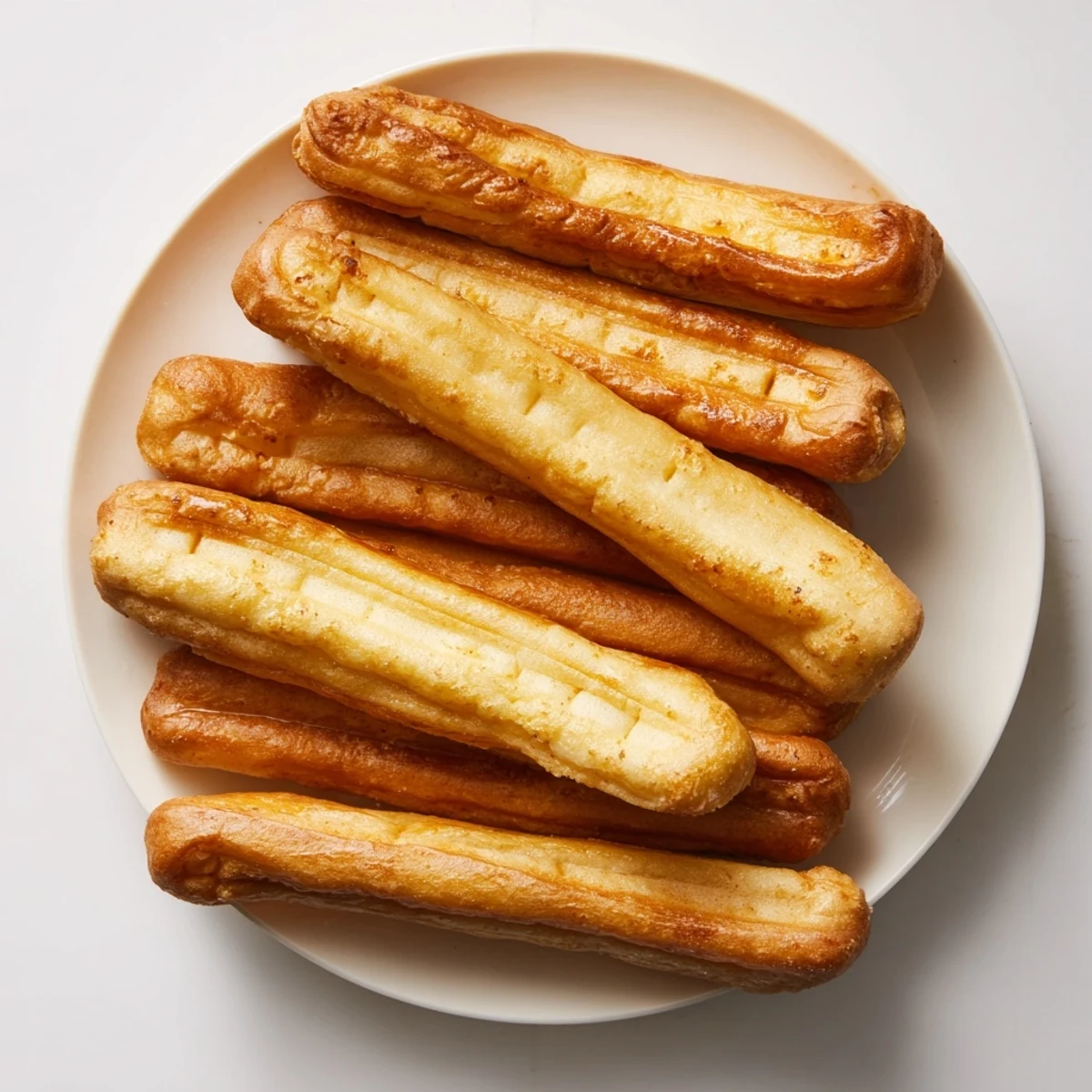
For maximum crispiness, consider the double-frying method mentioned in the notes. These dough sticks shine alongside sweetened soy milk for dipping or nestled in warm congee. The recipe yields eight generous portions, making it ideal for weekend family breakfasts.
The smell of hot oil hitting dough takes me back to my grandmother's tiny kitchen in Taipei, where she'd wake at dawn to make these golden sticks for the family. I've burned my fingers more times than I'd admit trying to recreate that perfect hollow center. There's something magical about watching them puff up in the oil, like edible balloons expanding before your eyes.
My college roommate once asked why I was obsessed with making these at 2 AM during exam week. Turns out, the rhythm of kneading dough and watching it float in hot oil was better meditation than anything else. She ended up eating half the batch while grading papers at the kitchen table.
Ingredients
- 2 cups all-purpose flour: The foundation that gives structure while staying light inside
- 1 tsp baking powder and 1/2 tsp baking soda: This duo creates those signature air pockets we're chasing
- 1 tsp salt: Balances the sweetness and enhances all flavors
- 1 tbsp sugar: Just enough to aid browning without making them dessert sweet
- 1 large egg: Adds richness and helps the dough achieve that perfect chewy texture
- 3/4 cup water: Room temperature is crucial here, cold water slows down yeast action
- 2 tbsp vegetable oil: Keeps the dough workable and adds subtle richness
- 4 cups vegetable oil for frying: A neutral oil with high smoke point is essential for that golden exterior
Instructions
- Mix the dry foundation:
- Whisk flour, baking powder, baking soda, salt, and sugar in a large bowl until fully combined and airy
- Form the dough:
- Create a well in the center, crack in the egg, pour in water and oil, then mix with a spatula until shaggy dough forms
- First rest period:
- Knead briefly in the bowl for 1 to 2 minutes, cover with plastic wrap, and let rest 15 minutes at room temperature
- Develop the gluten:
- Lightly oil your hands and work surface, knead the dough for 2 to 3 minutes until smooth and slightly elastic
- Second rest:
- Return dough to bowl, cover again, and let rest for 1 hour to relax the gluten completely
- Shape the strips:
- Roll dough to 1/2 inch thickness, cut into 1 by 5 inch strips, then pair strips and press centers together with a chopstick
- Fry to perfection:
- Heat oil to 375F, stretch each pair to 8 inches, fry 2 to 3 at a time while turning constantly until golden brown in about 2 minutes
 Save to Pinterest
 These became my go-to comfort food during a particularly gray winter, always making enough to share with neighbors who'd appear like magic when they smelled the frying. There's something about breaking bread with people that makes ordinary mornings feel special.
Getting That Perfect Rise
The double fry method changed everything for me. Frying first at lower temperature lets the inside cook completely, then the second quick fry at higher heat creates that shatteringly crisp exterior. It takes patience but the texture difference is remarkable.
Pairing Possibilities
While traditional soy milk is classic, I've discovered these are incredible dipped in thick coconut milk or even broken into pieces over savory congee. The neutral flavor makes them surprisingly versatile vehicles for other tastes.
Make-Ahead Magic
You can actually freeze the shaped raw dough pairs between parchment paper sheets. Fry them straight from frozen, just add an extra minute to the cooking time. This means fresh youtiao anytime without the morning prep work.
- Let them drain on a wire rack rather than paper towels for maximum crispiness
- Keep fried ones warm in a 200F oven if making a large batch
- They're best eaten within an hour but can be refreshed in a toaster oven
 Save to Pinterest
 There's no breakfast quite like warm youtiao with someone you love, even if that someone is just yourself on a quiet Sunday morning.
Recipe FAQs
- → What makes youtiao hollow inside?
-
The hollow center comes from pressing two dough strips together before frying. As the dough hits the hot oil, steam rapidly expands between the layers, creating the signature airy pocket while the exterior crisps beautifully.
- → Can I make youtiao without a stand mixer?
-
Absolutely. This dough is intentionally soft and sticky, requiring only brief kneading by hand. Lightly oil your hands and work surface to prevent sticking. The initial mix comes together quickly with a spatula.
- → How do I know when the oil is ready?
-
Use a kitchen thermometer to maintain 375°F (190°C). Without one, test by inserting a wooden chopstick—if bubbles steadily rise around it, the oil is ready. Too hot will burn the exterior; too cool won't create proper puffing.
- → Can I prepare the dough ahead of time?
-
Yes, after the first 15-minute rest, refrigerate the dough overnight. Let it come to room temperature before proceeding. The second rest can also extend longer if needed, though keeping it at room temperature beyond 2 hours isn't recommended.
- → What's the best way to serve youtiao?
-
Traditionally enjoyed warm with sweetened soy milk for dipping, or broken into pieces stirred into congee. The contrast between crisp dough and warm liquid creates a perfect breakfast combination. They're also delicious plain while still hot from frying.
- → Why did my youtiao turn out dense instead of puffy?
-
Dense results usually stem from insufficient resting time, oil that's too cool, or not stretching the dough enough before frying. Ensure both rest periods complete fully, verify oil temperature, and gently stretch each stick to double its length before lowering into oil.