
 Save to Pinterest
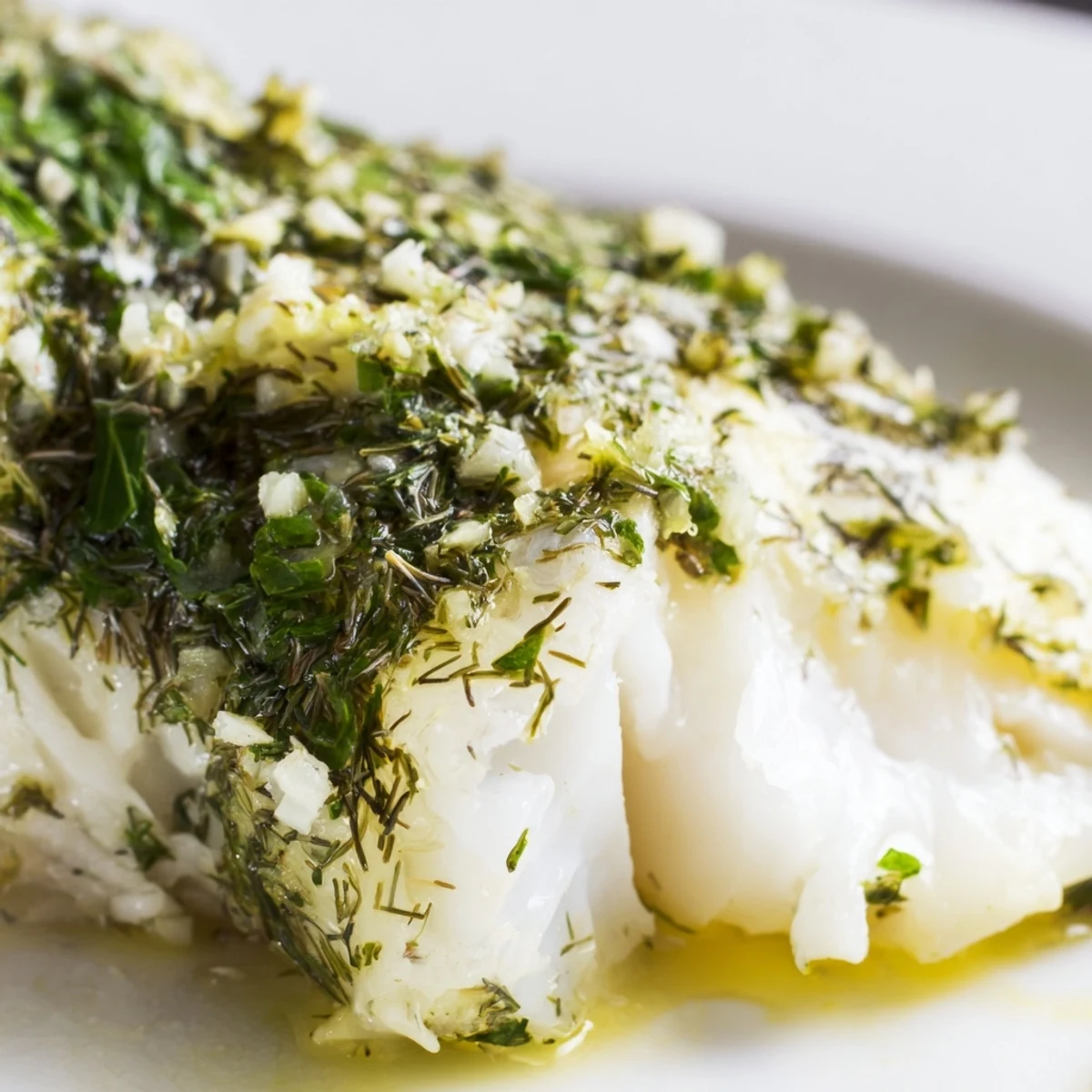
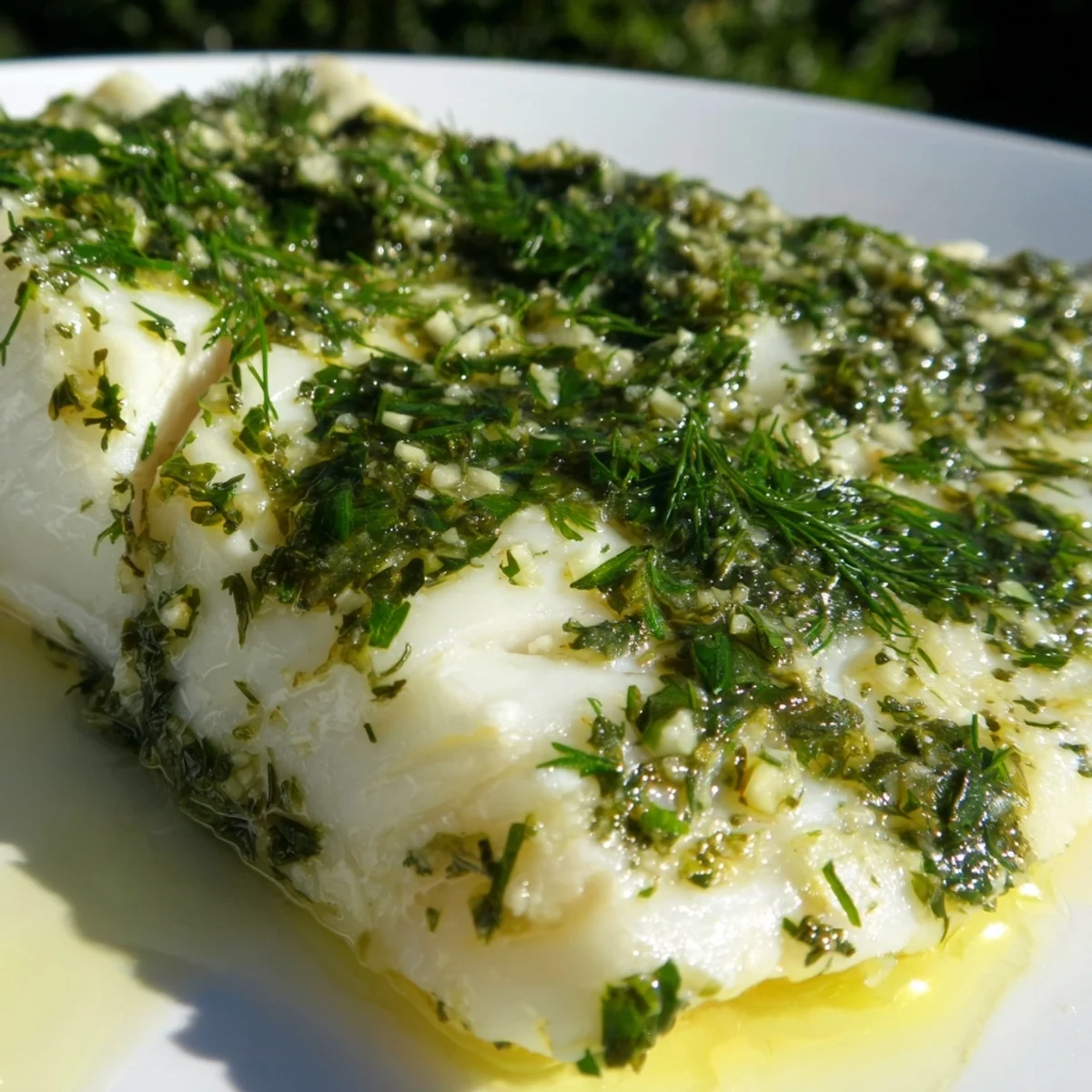
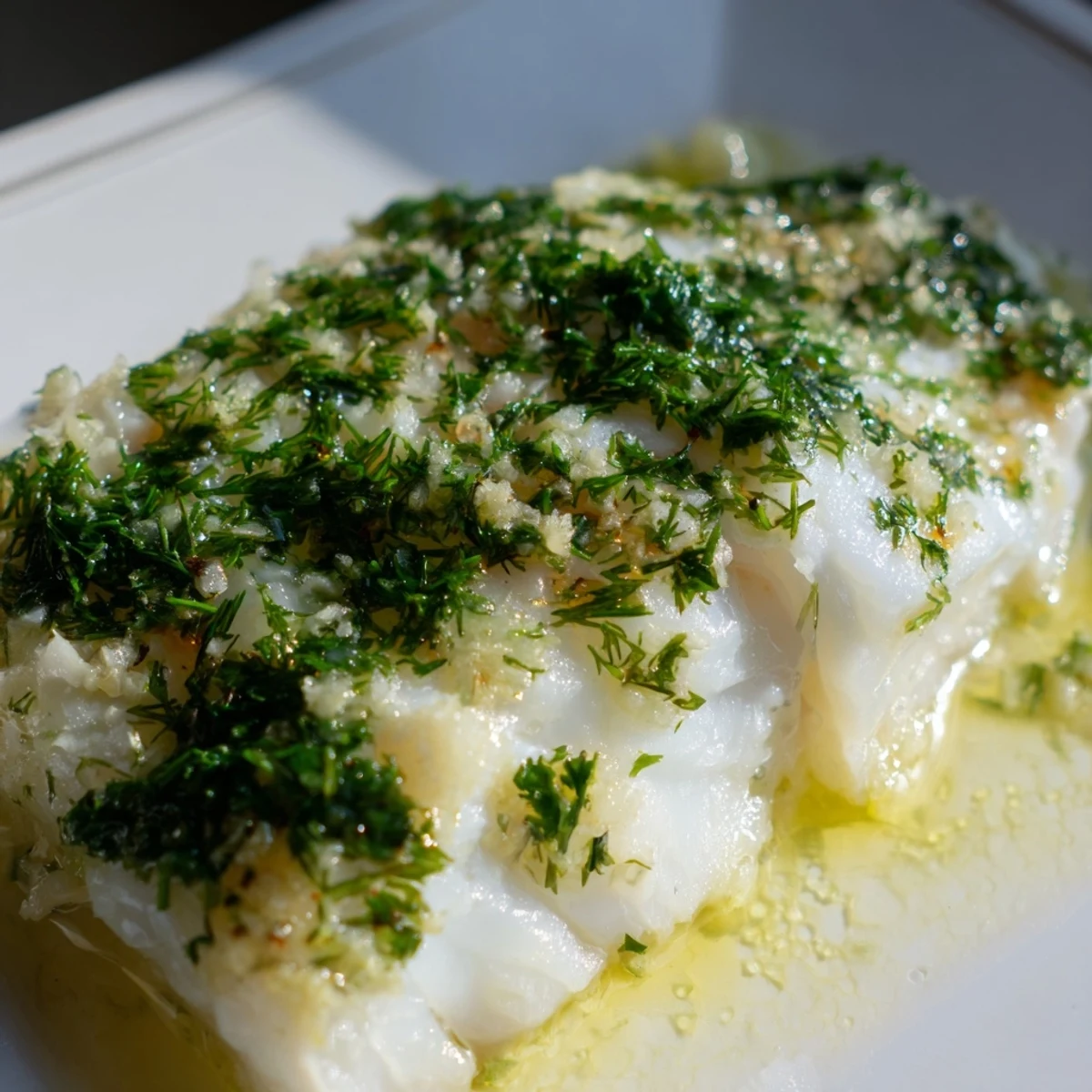
 This dish transforms mild halibut into a tender, flaky meal using a simple blend of melted butter, garlic, and lemon. Fresh parsley, dill, and chives add a burst of color and aromatic flavor. Oven-baked at high heat, the fish cooks quickly in under 20 minutes, making it perfect for weeknights or special occasions.
There's something about halibut that makes me feel like I'm cooking something special, even on an ordinary Tuesday night. I discovered this preparation years ago when a friend who fishes brought over the most pristine fillets I'd ever seen, and I was terrified to overcook them. That night taught me that the best seafood doesn't need much—just butter, herbs, and heat that respects what you're working with. Now it's become my go-to when I want to impress without fussing.
I made this for my sister during one of those rare quiet summers when we cooked together without rushing. She kept saying the fish tasted like the restaurants we couldn't afford, but it was just butter melting into those delicate flakes. We ate it straight from the baking dish with crusty bread, and I realized that's when food tastes best—when no one's watching the clock.
Ingredients
- Halibut fillets: Get them as close to serving time as possible—the fresher they are, the less you have to do to make them shine.
- Fresh parsley, dill, and chives: These three herbs together are like the perfect conversation; none of them overpowers the others, and they all make the fish taste brighter.
- Unsalted butter: This is your base, so use something good—you'll taste the difference immediately.
- Lemon juice and zest: The zest gives you fragrance without the liquid; the juice balances all that richness so the dish doesn't feel heavy.
- Garlic and seasonings: Just enough to remind you this is food made with intention, not so much that you forget you're eating fish.
Instructions
- Get your oven ready and prepare the dish:
- Heat your oven to 400°F and line a baking dish with parchment paper—it makes cleanup easier and keeps the fish from sticking. Cold parchment is your small act of kindness to your future self.
- Dry and arrange the halibut:
- Pat those fillets completely dry with paper towels; any moisture is the enemy of a nice crust and even cooking. Lay them in a single layer, not touching if you can help it, so the heat reaches everywhere it needs to.
- Build the butter sauce:
- Melt your butter gently and whisk it together with olive oil, lemon juice, minced garlic, zest, salt, and pepper in a small bowl. You want it smooth and emulsified, almost luxurious-looking.
- Coat the fish generously:
- Use a pastry brush to spread that butter mixture over each fillet until they're glistening. This isn't the time to be shy—that's what keeps them moist while they bake.
- Add the fresh herbs:
- Sprinkle your parsley, dill, and chives directly over the buttered fish. The heat will coax out their oils and fill your kitchen with the kind of smell that makes people ask what you're cooking.
- Bake until just done:
- Slide it into the oven for 15 to 18 minutes—watch it closely because halibut forgives very little once it's overdone. You'll know it's ready when the flesh is opaque and flakes easily with a fork.
- Rest and serve:
- Pull it out and let it sit for just 2 minutes; this helps the fish relax and stay tender. Serve with extra lemon wedges if people want to adjust the brightness.
 Save to Pinterest
 I remember my niece trying this for the first time and asking if I'd added something fancy that she was missing. When I told her it was just herbs and butter, she looked almost disappointed—then realized that's exactly what made it special. That's when I understood that sometimes the most memorable meals are the ones that taste like care, not complexity.
Why Fresh Herbs Make All the Difference
Dried herbs would work in a pinch, but fresh ones are what turn this from a simple baked fish into something that feels intentional. When you chop them just before using, their oils are at their peak, and that's what your nose catches first when the fish comes out of the oven. I've learned that the ratio matters less than the mix—parsley is your backbone, dill brings brightness, and chives add a quiet whisper of onion flavor.
Choosing Your Halibut
Not all halibut is created equal, and I've had better luck with fish from markets that have high turnover. If your fillets are thick and creamy-white with no brown spots, you're starting with something that wants to be treated gently. Ask your fishmonger when it came in; if they seem annoyed by the question, they probably have good stuff.
Variations and Pairings
This method works beautifully with cod or sea bass if halibut isn't available or isn't what you feel like eating. You can add a splash of white wine to the baking dish before the fish goes in for something richer, or sprinkle panko breadcrumbs on top if you want texture. A crisp Sauvignon Blanc or Chardonnay is perfect alongside it, or honestly, just serve it with good bread and a simple salad.
- If you're cooking for someone who avoids dairy, use good olive oil instead of butter and the fish will still be silky.
- Leftover halibut makes incredible fish tacos or a salad the next day if you can resist eating it straight from the fridge.
- Scale the recipe up easily—just add fillets and brush each one individually so they get equal coverage.
 Save to Pinterest
 This recipe is proof that you don't need a long ingredient list or complicated steps to make something that feels special. It's the kind of dish that makes you feel capable in the kitchen, and that confidence carries into everything else you cook.
Recipe FAQs
- → How do I know when halibut is done?
-
The fish should flake easily with a fork and appear opaque throughout the center.
- → Can I use dried herbs instead of fresh?
-
Yes, use one-third the amount of dried herbs, though fresh provides the best flavor and texture.
- → What other fish works for this method?
-
Cod, sea bass, or Chilean sea bass are excellent substitutes that cook similarly.
- → Is it safe to cook fish at 400°F?
-
Yes, roasting at high heat ensures a crisp exterior while keeping the inside moist and tender.
- → How can I prevent the fish from drying out?
-
Brushing generously with the butter mixture and avoiding overcooking keeps the halibut moist.