
 Save to Pinterest
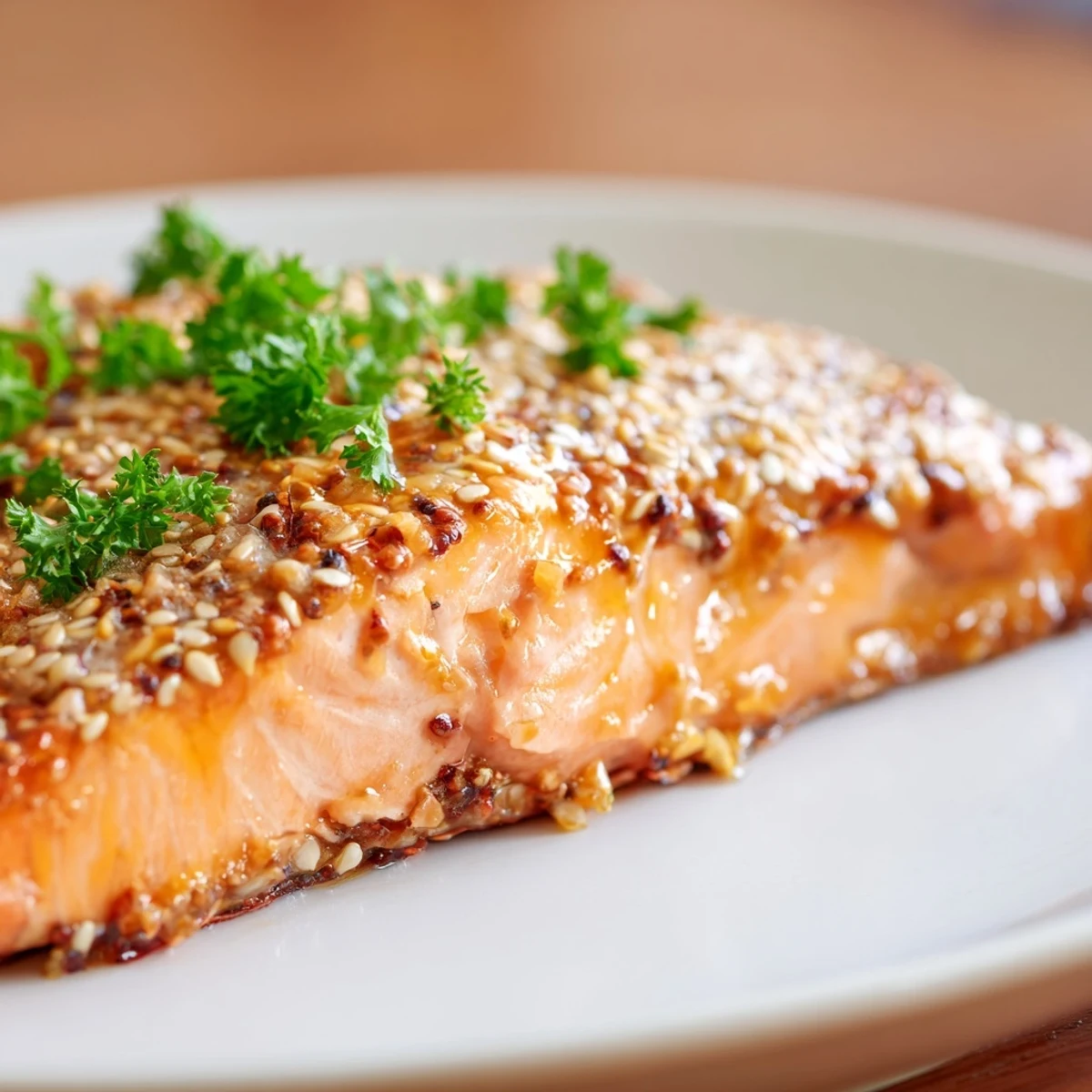
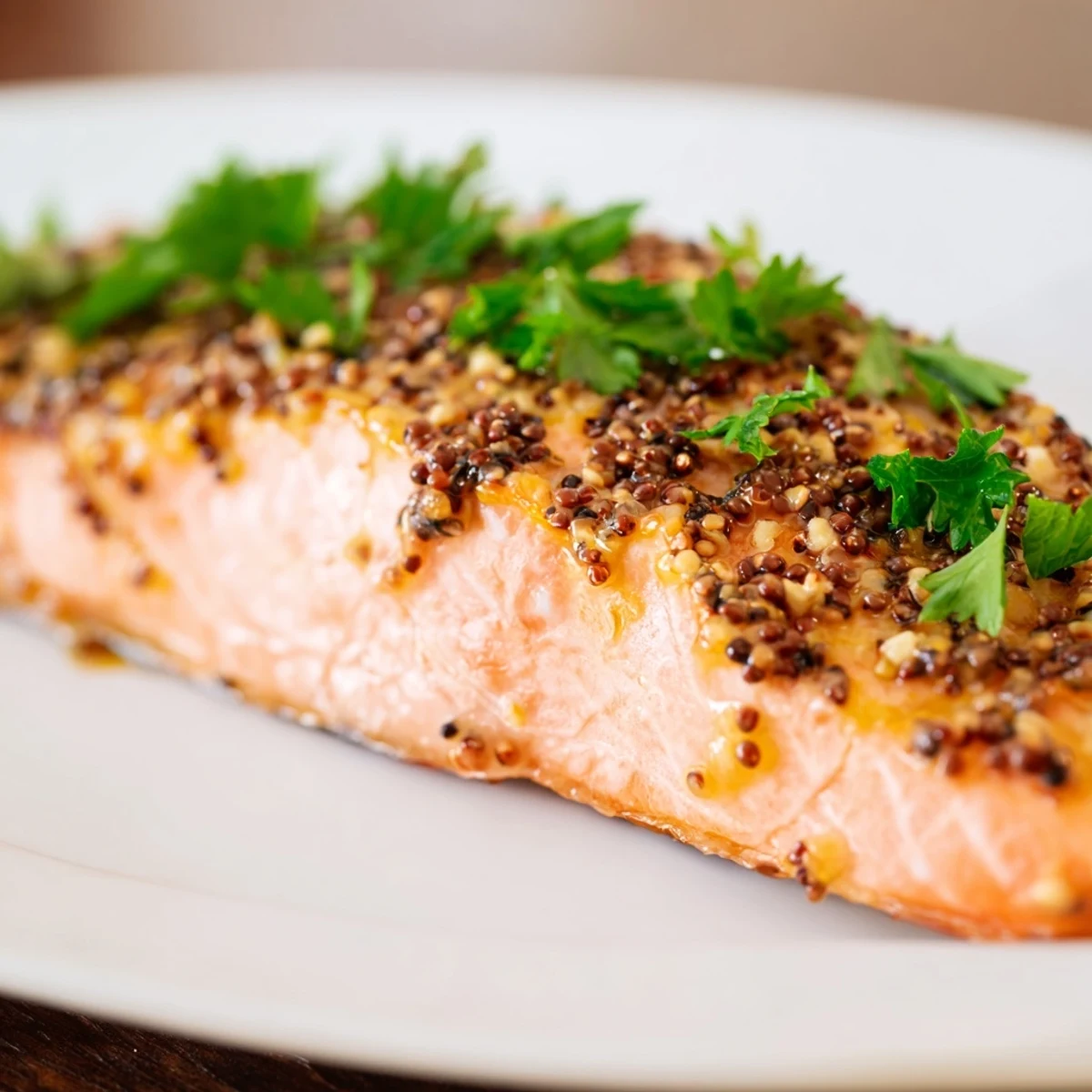
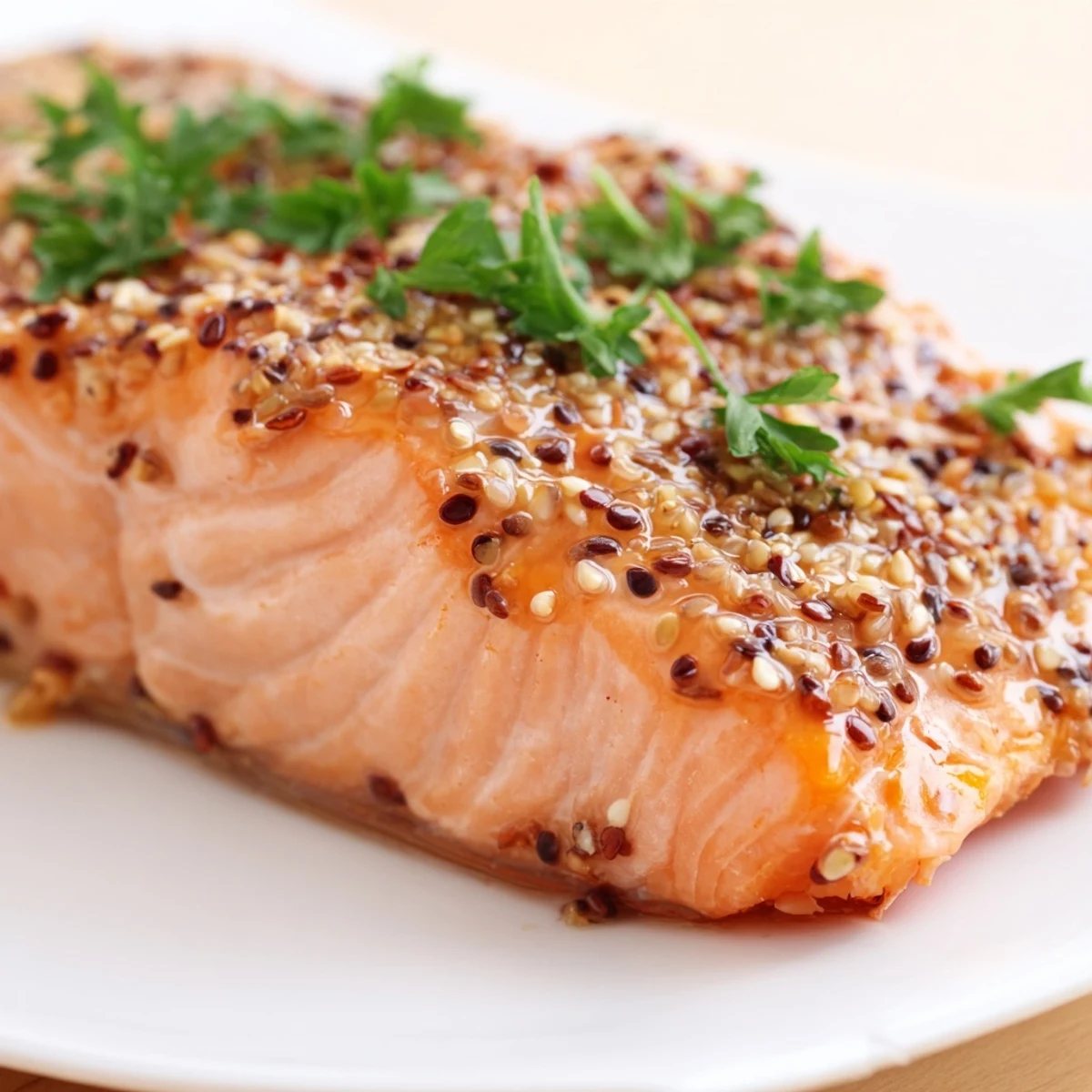
 This dish features tender salmon fillets oven-baked to perfection, brushed with a luscious honey mustard glaze combining Dijon and whole-grain mustards, honey, olive oil, lemon juice, garlic, salt, and pepper. Baking at 400°F ensures the fish flakes easily, while a brief resting period enhances flavors. Garnished with fresh parsley or dill and served with lemon wedges, it’s a quick, wholesome meal suited for a variety of side dishes like roasted vegetables or steamed rice.
I discovered the magic of honey mustard salmon on a weeknight when I was tired of my usual cooking routine and grabbed whatever looked appealing in the pantry. The Dijon mustard caught my eye first, then the honey, and I wondered if they'd play well together on fish. Twenty-five minutes later, my kitchen smelled incredible, and I realized I'd stumbled onto something I'd make again and again. It turns out that sweet and tangy combination is exactly what salmon needs to feel special without fuss.
I made this for my sister's surprise visit, and watching her plate come together so quickly while looking restaurant-worthy felt like I'd cracked some secret code. She asked for the recipe before she finished eating, which is always the highest compliment. That moment taught me that simple ingredients in the right proportions can absolutely impress the people you care about.
Ingredients
- Salmon fillets (6 oz each): Look for pieces of similar thickness so they cook evenly; skin-on helps keep them moist and adds a pleasant texture if you enjoy it.
- Dijon mustard: The base of your glaze and the reason everything tastes bright and slightly sharp; don't skip it for regular yellow mustard.
- Whole-grain mustard: Those little seeds add texture and a milder, almost sweet undertone that softens the Dijon's edge.
- Honey: This isn't just sweetness; it caramelizes slightly in the oven and creates a beautiful glaze that clings to the fish.
- Olive oil: Helps the glaze coat everything evenly and adds richness without overwhelming the dish.
- Fresh lemon juice: The secret weapon that brings everything into focus; bottled juice works but fresh makes a noticeable difference.
- Garlic, salt, and pepper: These small players anchor all the big flavors and make sure nothing tastes one-dimensional.
- Fresh parsley or dill: Either works beautifully; dill feels more elegant, parsley more casual, both add a brightness that cuts through the richness.
Instructions
- Get your oven ready and set the stage:
- Preheat to 400°F and line your baking sheet with parchment paper, which prevents sticking and makes cleanup almost effortless. This step takes two minutes but saves you frustration later.
- Mix your glaze until it's silky:
- Whisk both mustards, honey, olive oil, lemon juice, minced garlic, salt, and pepper together in a small bowl until the honey is fully incorporated and everything looks smooth. Don't rush this; a well-mixed glaze clings better to the fish.
- Arrange the salmon and let it get comfortable:
- Place fillets skin-side down on your prepared sheet, giving each one a little breathing room so heat circulates around them evenly. If your fillets are very thick, they'll thank you for this attention.
- Coat each fillet generously:
- Spoon or brush the honey mustard glaze over the top of each salmon piece, making sure the glaze reaches the edges. You'll see it pool slightly on the sheet, which is perfect for building a caramelized bottom.
- Let the oven do the real work:
- Bake for 12 to 15 minutes, checking at the 12-minute mark by gently pressing the thickest part of a fillet with a fork; it should flake apart with almost no resistance. The exact time depends on your oven and fillet thickness, so stay close the first time you make this.
- Rest and finish with finesse:
- Pull the salmon from the oven and let it sit for two minutes while you tear or chop your fresh herbs. This short rest lets everything settle and keeps the fish from falling apart when you plate it.
- Plate with intention:
- Slide each fillet onto a plate, scatter herbs over the top, and add lemon wedges on the side so people can brighten their bite with a squeeze if they want it. The presentation is simple but feels considered.
 Save to Pinterest
 The first time a friend came to my kitchen and said, "This tastes like something you'd order out," I realized that salmon with honey mustard had quietly become my go-to dish for impressing people. It's humble enough to feel approachable but special enough to feel thoughtful. That's when food becomes more than fuel; it becomes a way to say, "I put care into this for you."
A Note on Salmon Quality and Selection
The quality of your salmon makes a real difference, though it doesn't have to be the most expensive cut at the market. Look for fillets that smell like the ocean, not fishy; a bright color rather than dull; and flesh that springs back when you press it gently. If you can find sustainably sourced salmon, it usually tastes better and feels better to eat. Your fishmonger can point you toward the best option that day, and they'll happily tell you if a piece was just delivered versus sitting around.
Cooking with Confidence and Optional Flourishes
If you want a slightly caramelized, almost burnished glaze that looks restaurant-quality, turn on the broiler for the last minute or two once the salmon is cooked through. Watch it closely though, as the line between beautifully caramelized and charred happens in seconds. Some nights I'll add a pinch of red pepper flakes to the glaze for warmth, or swap in a spoonful of whole-grain Dijon if I'm feeling a bit nuttier and less bright. These tweaks let you make the recipe your own without starting from scratch.
Serving Suggestions and What Grows With It
The honey mustard glaze is rich enough that it pairs best with lighter, fresher sides that don't compete for attention. A crisp salad with vinaigrette, roasted vegetables tossed with lemon, or even simple steamed rice all feel like natural companions. I've also served this with roasted broccoli, sautéed spinach, or a grain like quinoa when I want something heartier. Whatever you choose, the salmon wants brightness around it; that's where the lemon wedges at the table become essential.
- If you're meal prepping: This salmon actually reheats well gently in a 325°F oven, covered with foil, and tastes good cold the next day too.
- For a dinner party: Double or triple the glaze recipe and arrange all fillets on one large sheet so you can slide them to the table family-style if you want to feel fancy.
- Make ahead option: You can glaze the salmon and refrigerate it for up to four hours before baking; add a couple of minutes to the cooking time if it's cold.
 Save to Pinterest
 This recipe became my answer to the question, "What can I make that feels easy but tastes special?" It's taught me that good cooking is often about knowing which corner to cut and which one to invest in. Make this, taste it, and then make it again your own way.
Recipe FAQs
- → What kind of mustard is best for the glaze?
-
Combining Dijon and whole-grain mustards creates a balanced sweet and tangy glaze with texture and depth.
- → How can I tell when the salmon is done baking?
-
Salmon is cooked when it flakes easily with a fork and appears opaque throughout, usually after 12–15 minutes at 400°F.
- → Can I broil the salmon for a caramelized finish?
-
Yes, broiling the salmon for 1–2 minutes at the end caramelizes the glaze and adds a subtle crispiness.
- → What herbs work best as a garnish?
-
Fresh parsley or dill add vibrant color and a fresh, herbal note that complements the glaze well.
- → Are there good side dishes to serve with this salmon?
-
Serve alongside roasted vegetables, steamed rice, or green salads to balance the flavors and textures.