
 Save to Pinterest
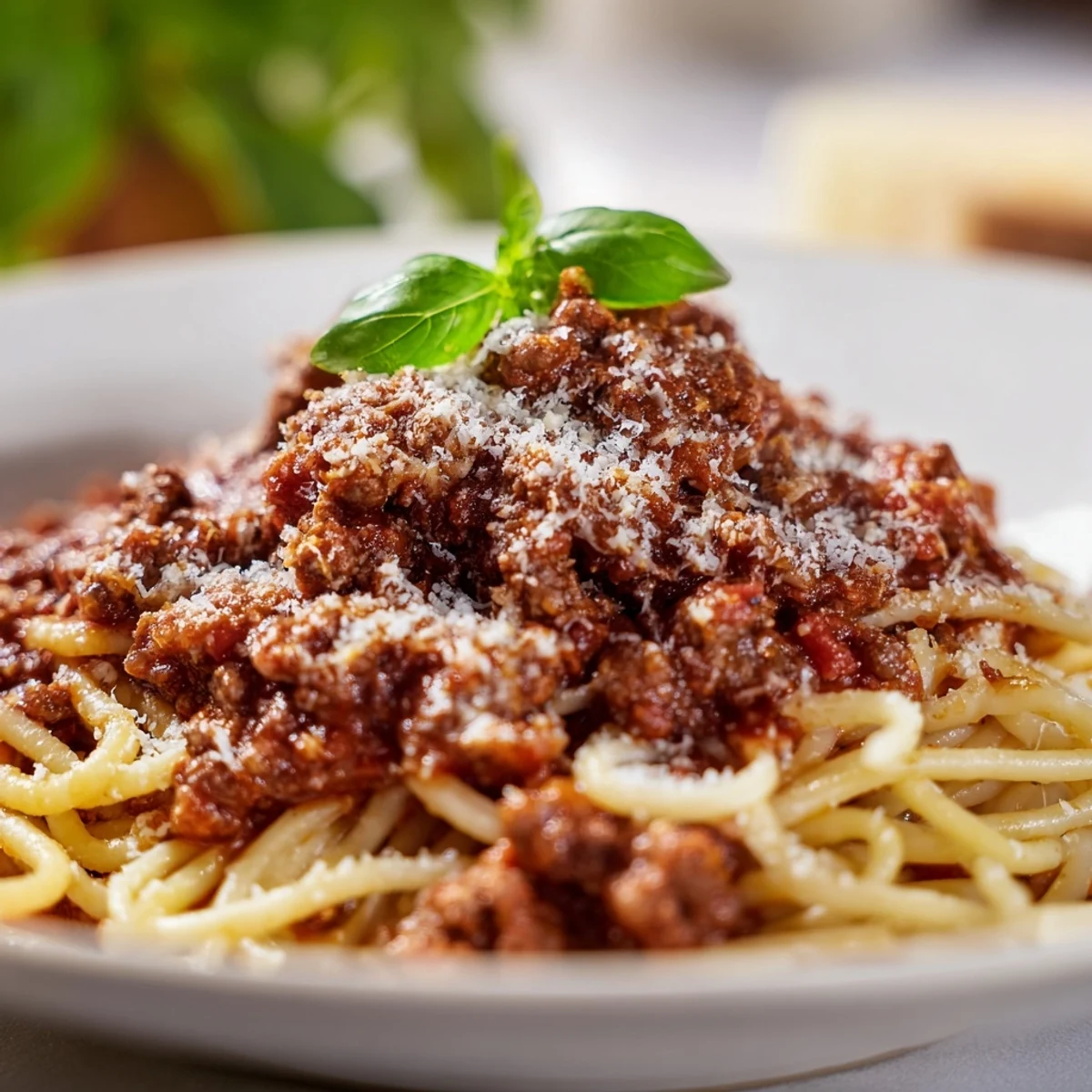
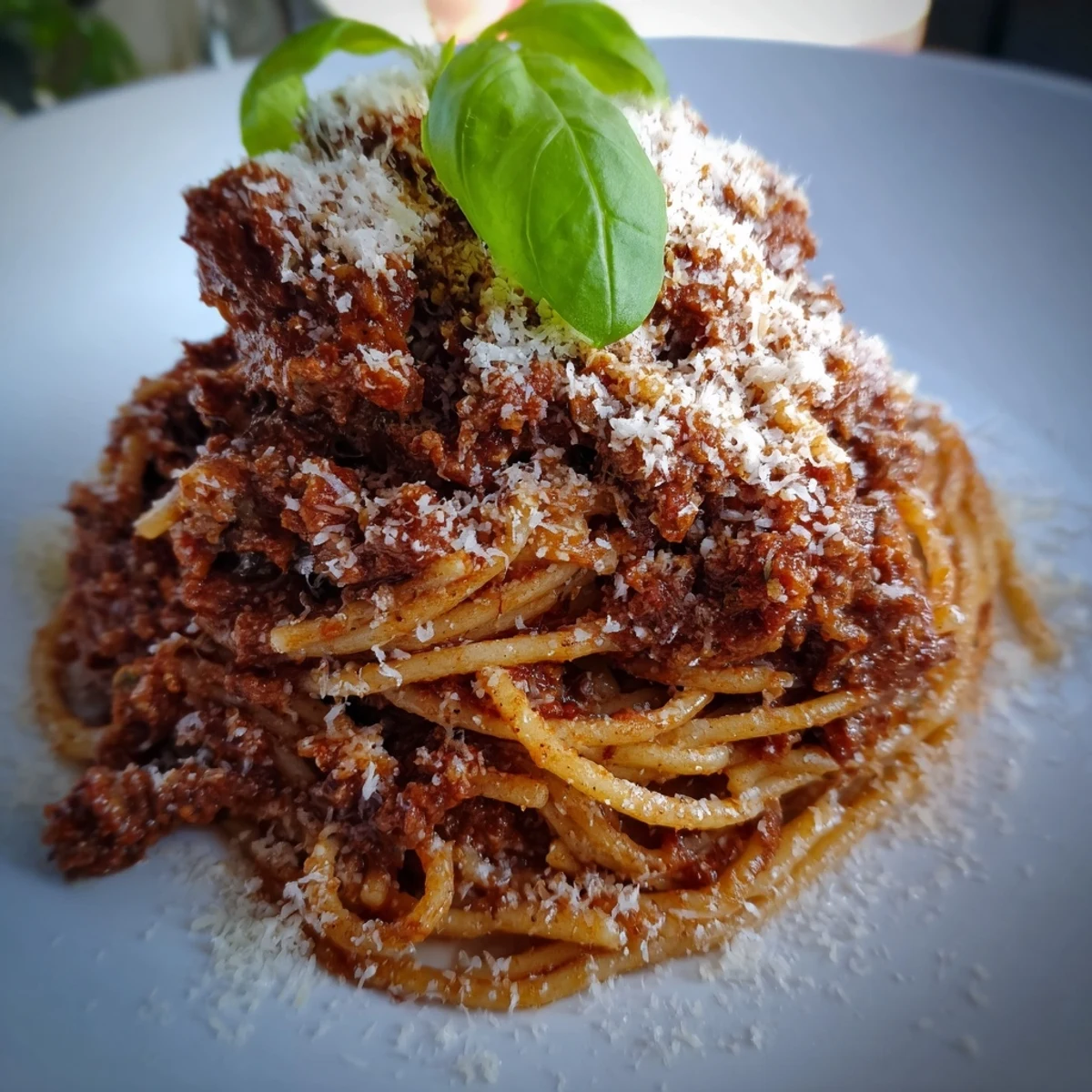
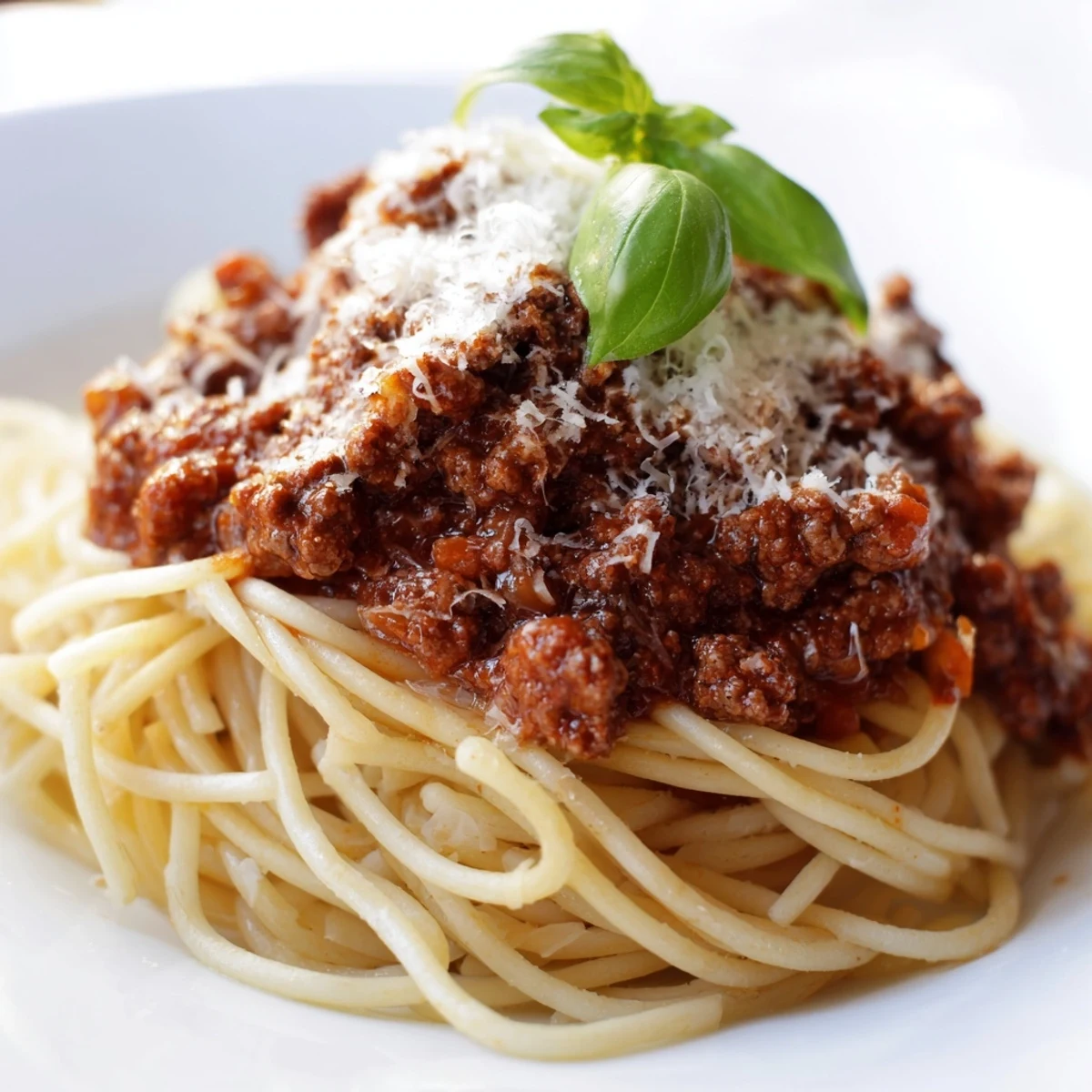
 This dish features ground beef slowly simmered with tomatoes, herbs, and aromatics to create a deep, flavorful sauce. Carrots, celery, and onion form the base, while garlic and herbs add aromatic layers. The sauce cooks low and slow, finished with milk for smoothness and a touch of richness. Served over al dente spaghetti and topped with fresh Parmesan and basil, it offers a satisfying, classic Italian-style meal that's both comforting and rich in flavor.
There was a Tuesday evening when my neighbor stopped by just as I was browning ground beef, and the smell that rolled out of my kitchen made her pause in the doorway. That's when I understood the real magic of Bolognese—it's not just about throwing ingredients together, but about those moments when a simmering pan becomes the heart of everything. This recipe has become my go-to for feeding people I care about, the kind of dish that transforms an ordinary weeknight into something that feels intentional and warm.
I made this for my sister's first apartment dinner party, and watching her plate it with such care reminded me that Bolognese is the kind of dish that makes people feel like you've spent all day in the kitchen, even when you haven't. She served it with candles and a simple salad, and it became the night everyone still talks about.
Ingredients
- Ground beef (500 g, preferably 80/20): The ratio matters here—too lean and you lose richness, too fatty and the sauce feels heavy. This balance gives you that savory depth without greasiness.
- Onion, carrot, and celery: This trio (soffritto) is your flavor foundation, and mincing them finely means they dissolve into the sauce rather than staying as distinct pieces.
- Garlic (3 cloves, minced): Add it after the soffritto softens so it perfumes the pan without burning.
- Olive oil (2 tbsp): Good oil matters here since you're building flavor from the beginning—don't skimp.
- Canned crushed tomatoes (800 g): Canned is actually your friend for consistency; fresh tomatoes would need hours of reducing.
- Tomato paste (2 tbsp): This concentrates the tomato flavor and adds a subtle sweetness that balances everything.
- Dry red wine (125 ml): The alcohol cooks off, leaving only the complex notes that make people ask what your secret ingredient is.
- Whole milk (125 ml): This is the surprise that smooths out the sauce—add it toward the end so it integrates without curdling.
- Oregano and basil (1 tsp each, dried): Dried herbs actually work better here than fresh because they've concentrated their flavor.
- Bay leaf (1): Remove it before serving, but those 50 minutes of simmering together create a subtle background note.
- Salt and black pepper: Taste as you go—the tomatoes and wine need seasoning to shine.
- Spaghetti (400 g): Cook it in salted water like pasta water is precious, and finish it one minute before you think it's ready.
- Parmesan cheese (30 g, freshly grated): Freshly grated melts into the warm sauce; pre-grated won't do the same thing.
- Fresh basil (optional): A handful scattered at the end tastes like a different dish from a spoonful stirred in at the beginning.
Instructions
- Build your flavor base:
- Heat olive oil in a heavy pan over medium heat and add your onion, carrot, and celery. The sizzle should be gentle, almost lazy—you're coaxing sweetness out of the vegetables, not rushing them. After 7 to 8 minutes, they'll turn soft and translucent, which is exactly when the magic starts.
- Deepen with aromatics:
- Stir in your minced garlic and keep the spoon moving for just a minute so it blooms without browning. This quick moment completely transforms how the sauce tastes.
- Brown the meat:
- Turn the heat to medium-high and add your ground beef, breaking it into small pieces with the back of your spoon as it cooks. You want it broken down into nearly granular pieces, which takes about 6 to 8 minutes and creates more surface area for flavor.
- Develop the tomato depth:
- Add tomato paste and let it sit in contact with the hot meat for a couple of minutes before stirring—this caramelizes it slightly and removes that raw tomato-paste taste. You'll notice the color darkens and the smell shifts.
- Deglaze with wine:
- Pour in your red wine and scrape the bottom of the pan with your spoon, lifting all those brown bits that have stuck to the surface. Those bits contain concentrated flavor, and the wine dissolves them back into the sauce.
- Simmer the sauce:
- Add crushed tomatoes, oregano, basil, bay leaf, salt, and pepper, then bring everything to a gentle simmer. Reduce heat to low, partially cover the pan (you want some evaporation but not too much), and let it bubble softly for 50 to 60 minutes, stirring every 15 minutes or so.
- Finish with milk:
- Stir in the milk slowly, letting it swirl into the sauce while it's still gently simmering. This mellows everything and adds a silky quality—taste and adjust salt and pepper one final time.
- Time the pasta:
- In the last 15 minutes of simmering sauce, bring a large pot of salted water to a rolling boil and cook your spaghetti according to package directions, but fish out a strand one minute before the package says it's done. It should bend slightly but have just a little resistance when you bite it.
- Bring it together:
- Drain the spaghetti and either toss it gently with some sauce in a bowl or serve it on individual plates with sauce generously ladled on top. Remove the bay leaf from the sauce first.
- Finish and serve:
- Sprinkle with freshly grated Parmesan and scatter fresh basil over the top if you have it, then serve immediately while everything is warm.
 Save to Pinterest
 My dad came home one evening just as I was finishing this, and he stood in the kitchen without saying anything for a moment before asking if he could stay for dinner. We ended up talking for hours over plates of spaghetti, and that's when I realized this dish had stopped being about feeding people and started being about gathering them close.
Why This Sauce Gets Better With Time
The first time I made Bolognese, I tasted it right away and thought something was missing. By the next day, I couldn't quite figure out what had changed—suddenly it tasted like something you'd order at a proper restaurant. That's because overnight, the flavors have time to settle and speak to each other, and the sauce thickens slightly as it rests in the fridge. If you have the luxury of making this a day ahead, your future self will be grateful.
The Milk Secret
Adding milk seems strange the first time you do it because you're pouring something white into something red, and instinct says it won't work. But those 10 final minutes of simmering transform it completely—the milk softens any sharpness from the tomatoes and wine, creating something that tastes richer than the sum of its parts. It's one of those cooking moments that feels like discovering a secret about how flavors actually work together.
Variations and Thoughts
This base is flexible enough that you can swap ground pork or veal for some of the beef if you want something a little lighter, which is closer to how traditional ragù makers approach it. I've also discovered that stirring in a small knob of butter right at the end adds another layer of richness that's almost decadent. If you're making this for a crowd, it freezes beautifully for up to two months, and thaws into something that tastes like you just made it.
- A splash of pasta water stirred in just before serving helps the sauce coat the noodles better.
- Pair this with a robust red wine like Chianti or Sangiovese to match what's in the pot.
- Leftover sauce works beautifully spooned over creamy polenta, tucked into a lasagna, or even used as a topping for baked eggs.
 Save to Pinterest
 This is the kind of dish that reminds you why cooking for people matters—it takes time, but that time is an investment in a moment that tastes like care. Once you've made it once, you'll find yourself returning to it again and again.
Recipe FAQs
- → What cut of beef works best for Bolognese?
-
Ground beef with a balance of lean and fat, like 80/20, provides good flavor and moisture for a rich sauce.
- → Why is milk added to the sauce?
-
Milk softens the acidity of the tomatoes and adds a creamy texture that rounds out the sauce's flavor.
- → How do I ensure the spaghetti is perfectly cooked?
-
Cook spaghetti in plenty of salted boiling water until just al dente, usually per package instructions, then drain immediately.
- → Can I prepare the sauce ahead of time?
-
Yes, the sauce can be made in advance, refrigerated up to 3 days, or frozen for up to 2 months without losing flavor.
- → What herbs complement this beef sauce?
-
Dried oregano, basil, and a bay leaf add classic Italian herb notes that enhance the overall depth.
- → Are there alternatives to ground beef in this dish?
-
You can substitute ground pork or veal for a variation closer to traditional ragù styles.