
 Save to Pinterest
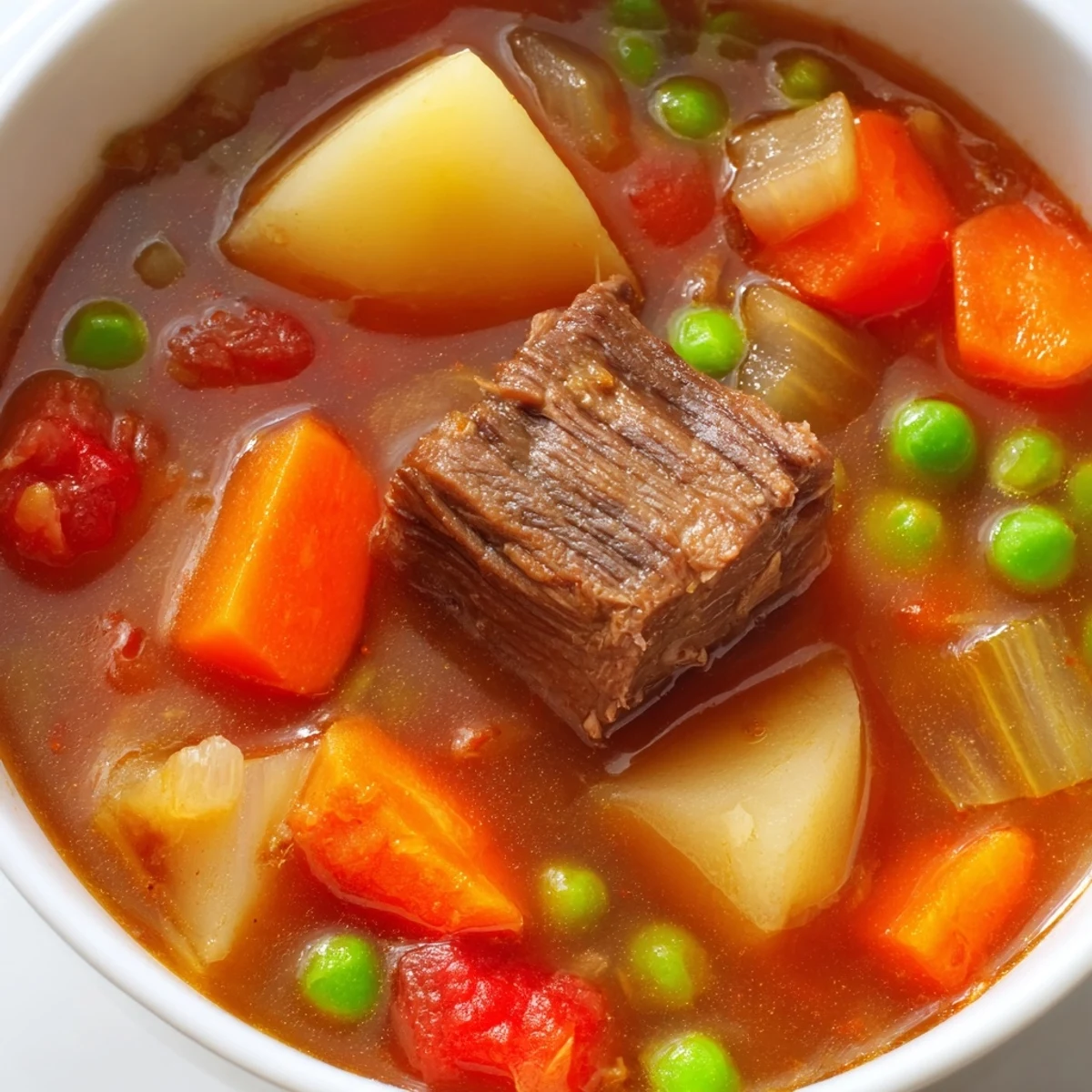
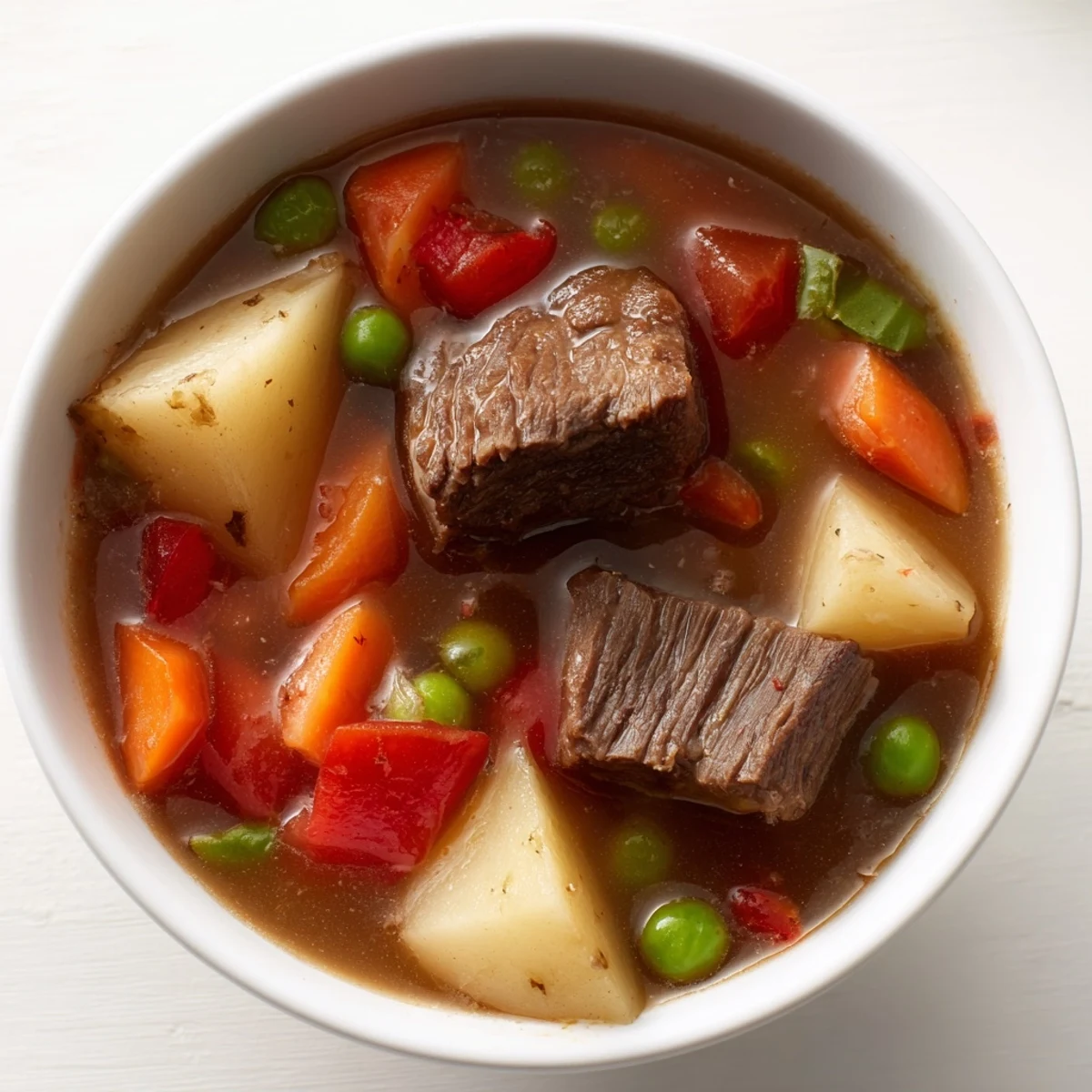
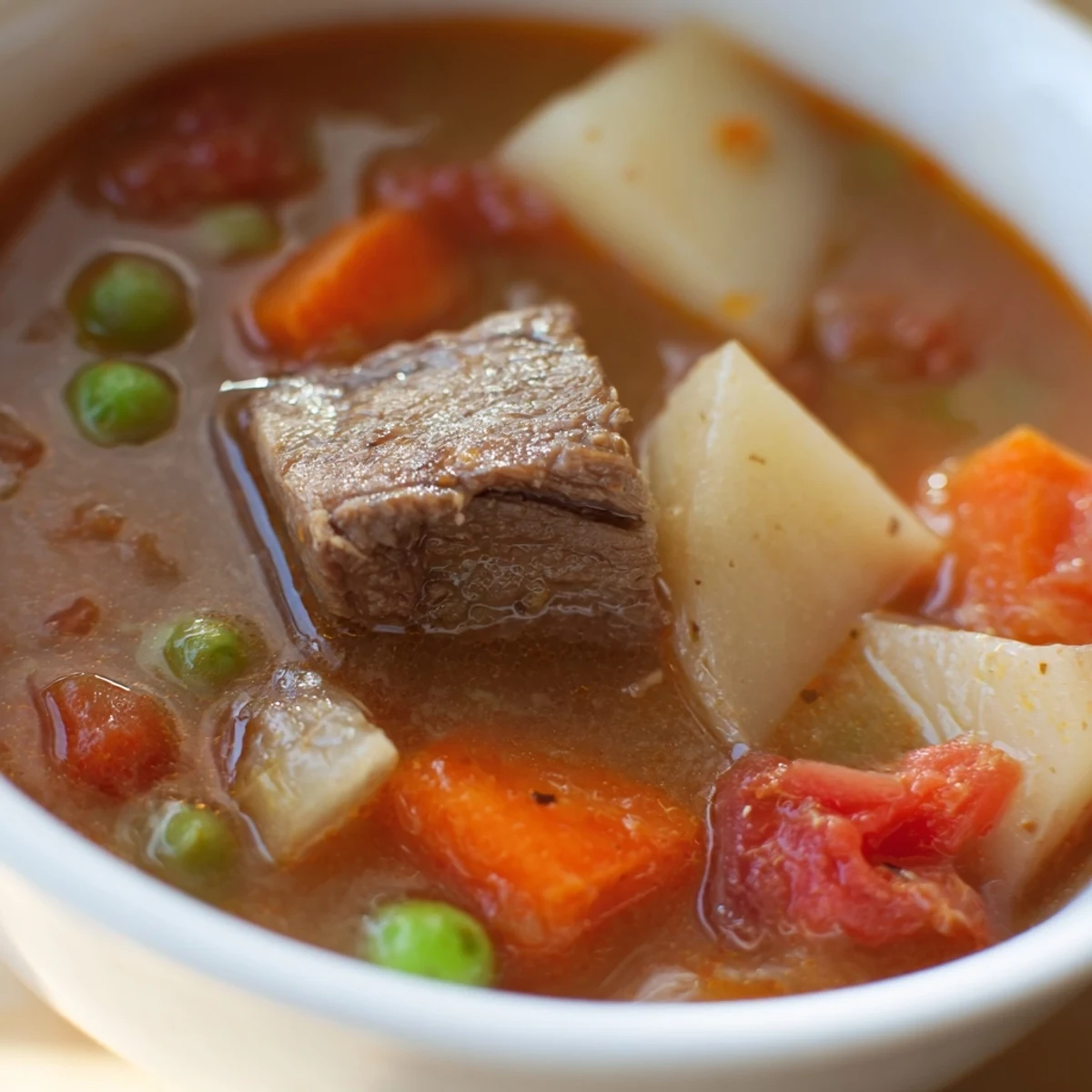
 This hearty soup combines tender beef cubes with a medley of vegetables including potatoes, peas, carrots, celery, and onions simmered in a savory broth. Flavored with garlic, bay leaves, thyme, parsley, and paprika, it creates a comforting and nourishing meal perfect for warming up during cold weather. The slow cooking tenderizes the beef and melds flavors, finishing with sweet peas for freshness. It's easy to prepare and serves well alongside crusty bread or a green salad for a complete main dish.
There's something about the smell of beef browning in a hot pot that makes you feel like you're doing something right in the kitchen. I discovered this soup on a particularly gray afternoon when I had a pound of stew meat and a near-empty vegetable drawer, and what came together was this deeply satisfying bowl that somehow tasted like it had been simmering for hours. My partner walked in halfway through cooking and just stood there breathing it in—that's when I knew I'd found something worth repeating. It's the kind of soup that tastes better on the second day, which feels like a secret gift to yourself.
I made this for my mother during her first winter back in the Midwest after years away, and she took one spoonful and got a little quiet. Later she told me it reminded her of the soups her own mother used to make, except this one was mine. That moment made me understand that comfort food isn't really about the ingredients—it's about showing up for people with something warm.
Ingredients
- Beef stew meat (1 lb / 450 g): Look for pieces with a little marbling—they'll stay moist as they braise and give the broth a richer body than lean cuts.
- Olive oil (1 tbsp): Use something you don't mind heating; don't waste your best oil on this step.
- Onion, carrots, and celery: This trio is the backbone of nearly every good soup, and there's a reason—they build flavor from the ground up.
- Potatoes (3 medium): Yellow potatoes hold their shape better than russets if you like distinct chunks, but either works beautifully.
- Garlic (2 cloves): Mince it fine so it disappears into the broth rather than announcing itself in bites.
- Frozen peas (1 cup / 150 g): Don't defrost them; let the hot soup do that work in the final minutes.
- Diced tomatoes (1 can / 14.5 oz / 410 g with juice): The acidity brightens everything and deepens the beef flavor in ways that pure broth alone cannot.
- Beef broth (6 cups / 1.4 L): Taste your broth before committing to it—some brands are aggressively salty and others are thin and wan.
- Bay leaves (2), dried thyme (1 tsp), dried parsley (1 tsp), paprika (1/2 tsp): These seasonings work together to create warmth and depth without overpowering the beef.
Instructions
- Dry and season your beef:
- Pat the beef cubes with paper towels until they're visibly dry—moisture is the enemy of browning. Season generously with salt and pepper before the pot even gets hot.
- Brown the meat in batches:
- Get your oil shimmering over medium-high heat, then add only enough beef to sit in a single layer without crowding. You'll hear a satisfying sizzle; let it happen for a few minutes before stirring, which builds those flavorful brown bits on the bottom of the pot.
- Sauté the vegetables:
- Dump in the onion, carrots, and celery—the pot will smell incredible almost immediately. Cook until the onions turn translucent and everything softens a bit, then add the garlic for just one minute so it releases its perfume without browning.
- Build the broth:
- Return the beef, add your potatoes, tomatoes, herbs, and spices, then pour in the broth. Stir everything together and let it come to a boil so you know all those flavors are waking up.
- Low and slow is the magic:
- Cover the pot, turn the heat to low, and let time do the work—about an hour of gentle simmering is when the beef transforms from cubes into something that yields to a spoon. Stir occasionally if you remember, but don't obsess over it.
- Finish with peas:
- In the final ten minutes, add those frozen peas right to the hot broth where they'll cook through without turning to mush. Taste everything one last time and adjust the salt and pepper to your preference.
 Save to Pinterest
 I remember my teenage nephew coming home from school and asking what was for dinner before even taking his backpack off. When I told him beef and vegetable soup, he made the face teenagers make, but then he sat down and had two bowls without saying much, which felt like the highest compliment. Sometimes the simplest things are the ones that matter most.
Why This Soup Works Every Time
The secret to a soup like this is trusting the method rather than trying to shortcut it. Browning the beef takes an extra ten minutes you might think you don't have, but those minutes are where the real flavor lives. Everything else is just showing up and letting your heat do the work. Once you understand that, you can make this soup in your sleep, and it will still turn out golden and warm and exactly what people need when they're cold or tired or just hungry for something real.
Variations and Flexibility
This is a soup that welcomes adaptation without losing its soul. I've thrown in cubed sweet potatoes instead of regular ones and found that the slight sweetness plays beautifully against the savory broth. Some evenings I'll add a splash of Worcestershire sauce in the final minutes, which adds a subtle umami whisper that makes people pause mid-spoonful and wonder what you did. Green beans, corn, or even spinach can stand in for some of the peas if that's what you have, and the soup will still be exactly what it's supposed to be.
Serving and Storage Wisdom
Serve this soup hot, straight from the pot, with crusty bread on the side for soaking up every last drop. It keeps beautifully in the refrigerator for three or four days and freezes even better than it tastes fresh, which is saying something. A simple green salad alongside cuts the richness and adds a bright note, but honestly, this soup is complete enough on its own.
- Reheat gently over medium heat rather than blasting it at high temperature, which keeps the beef tender and the broth from becoming thin and sad.
- If you're freezing it, leave a little space at the top of your container since liquids expand when they freeze.
- Add fresh parsley as a garnish right before serving—it catches the light and makes even a casual weeknight dinner feel a little special.
 Save to Pinterest
 This soup has a way of becoming a staple without you quite meaning for it to happen. The next time someone in your life needs feeding—whether they're sick, tired, celebrating, or just existing on a cold day—you'll find yourself thinking of this recipe, and they'll find themselves grateful.
Recipe FAQs
- → How can I tenderize the beef for this soup?
-
Pat the beef dry before browning it over medium-high heat to develop flavor and help tenderize the meat during slow simmering in the broth.
- → Can I substitute any vegetables in this dish?
-
Yes, sweet potatoes can replace regular potatoes for a twist, and additional seasonal vegetables can be added according to preference.
- → What is the best way to ensure a rich broth flavor?
-
Browning the beef well before simmering and including herbs like thyme, parsley, and bay leaves enhances the broth’s depth and aroma.
- → How long should I simmer the soup for optimal texture?
-
Simmer the soup covered for about an hour until the beef and vegetables are tender, then add peas and cook uncovered for 10 minutes.
- → What serving suggestions complement this dish?
-
This soup pairs wonderfully with crusty bread or a simple green salad to balance its richness and provide a complete meal.