
 Save to Pinterest
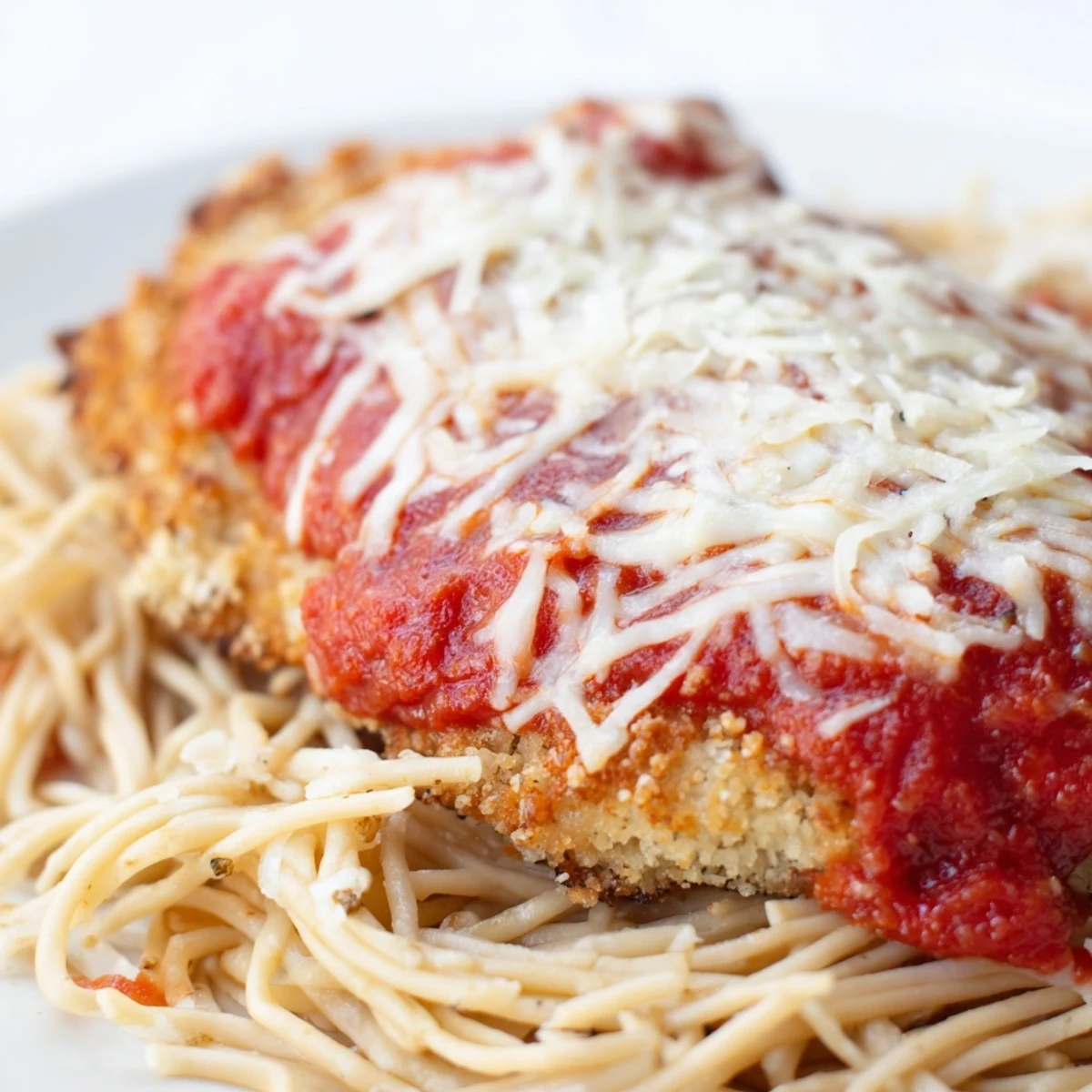
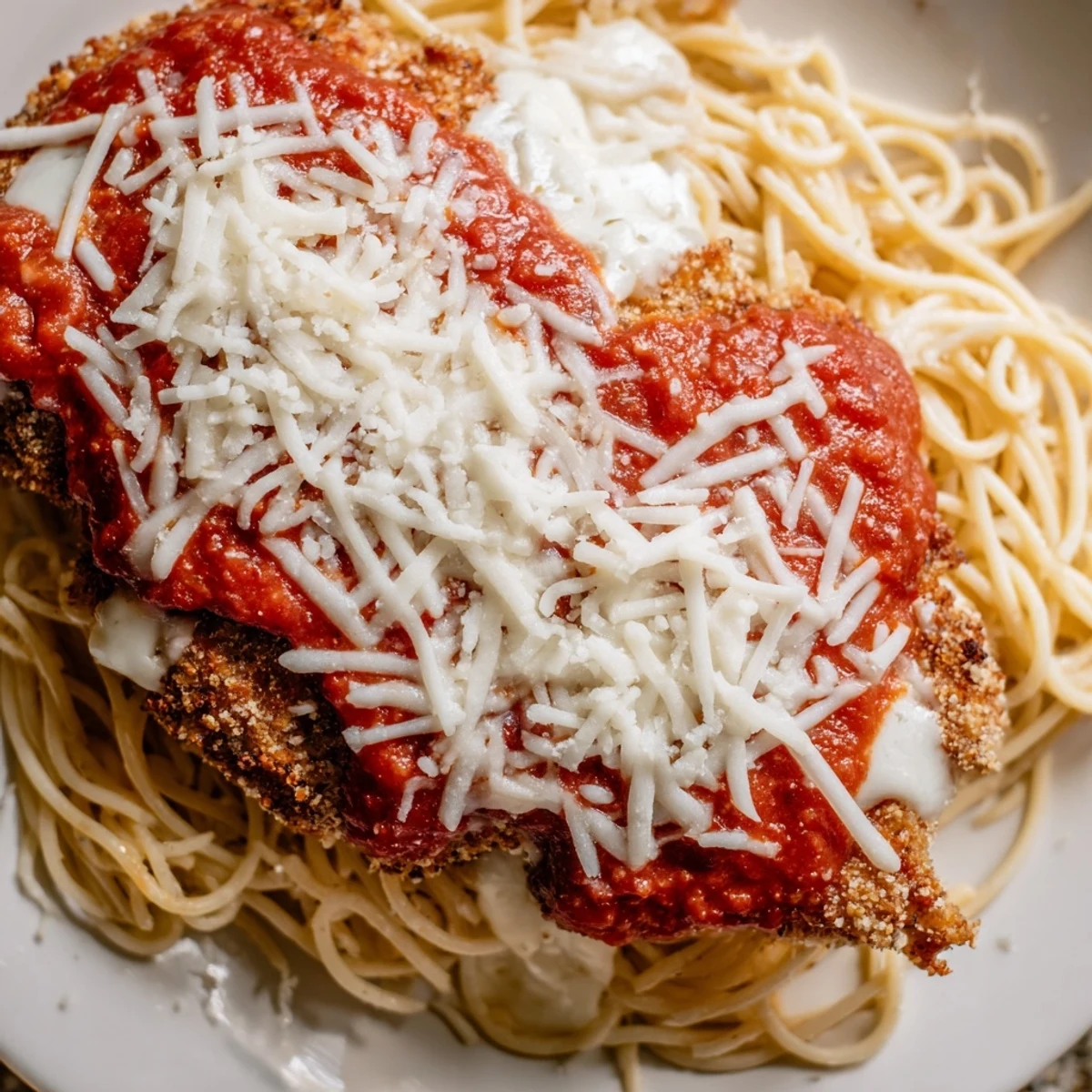
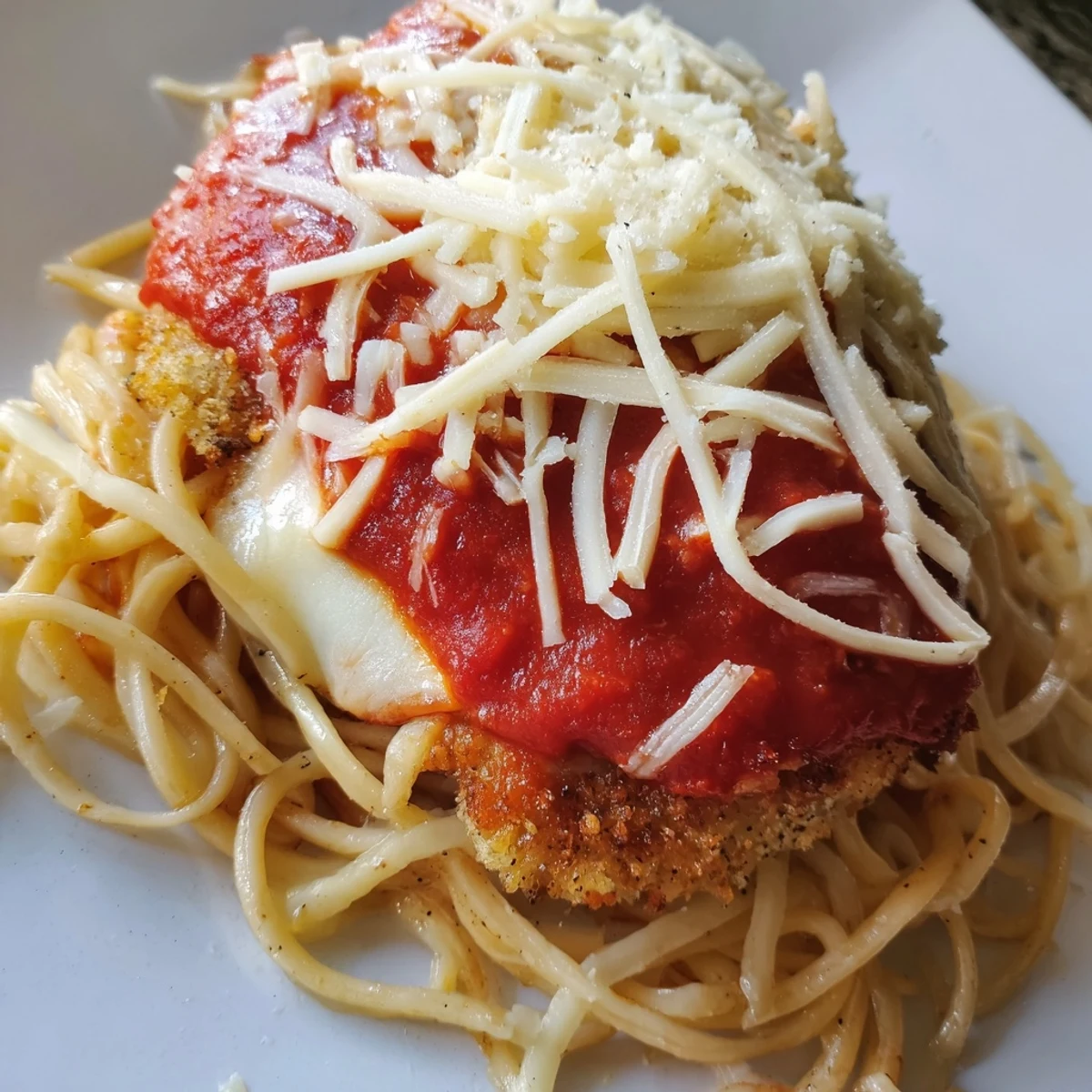
 This dish features crispy breaded chicken breasts layered with tangy marinara and melted mozzarella, all served atop perfectly cooked spaghetti. The chicken is seasoned with Italian-style breadcrumbs and Parmesan, fried golden, then baked with rich melted cheese. The homemade marinara sauce adds a fresh, savory element with garlic, onion, and herbs simmered to perfection. This comforting Italian-American combination is ideal for satisfying family dinners and pairs well with fresh greens or a glass of Chianti.
There's a particular Thursday night when my roommate came home with a craving she couldn't quite name, and I found myself reaching for chicken breasts and that jar of crushed tomatoes at the back of the pantry. She sat at the kitchen counter while I worked through the breading station, and by the time the cheese started bubbling in the oven, the whole apartment smelled like garlic and comfort. That dish turned into something we made every few weeks after that, each time feeling less like following a recipe and more like speaking a language we both understood.
I remember watching someone's face light up the first time they tasted the combination of crispy breadcrumb coating, melted mozzarella, and that tangy sauce pooling around the spaghetti. It was a simple moment, but it reminded me that food like this exists for those nights when you want to feed people something that feels both indulgent and somehow like home.
Ingredients
- Boneless, skinless chicken breasts (4, about 150 g each): Pound them to an even thickness so they cook uniformly and stay tender; thinner pieces also give you more surface area for that golden crust.
- All-purpose flour (1 cup): This is your first layer and helps the egg stick properly, so don't skip this step even though it seems redundant.
- Eggs (2 large) and milk (2 tbsp): The milk thins the egg slightly so it coats more evenly without clumping up in the pan.
- Italian-style breadcrumbs (1 1/2 cups): These already have herbs mixed in, which saves time and keeps the flavor consistent throughout.
- Parmesan cheese (1/2 cup for breading, 1/4 cup for topping): The first batch toasts slightly as the chicken fries, adding a subtle nuttiness; the second melts on top and gets slightly crispy at the edges.
- Garlic powder and dried oregano (1 tsp each): These go into the breadcrumb mix and season the chicken from the inside out.
- Olive oil (1/4 cup for frying): This amount is enough to get the chicken golden without making it greasy, and the temperature matters more than the quantity.
- Mozzarella cheese (1 1/4 cups shredded): Low-moisture mozzarella melts better and doesn't release excess water that can make your topping soggy.
- Canned crushed tomatoes (800 g): Crushed tomatoes break down into sauce faster than whole ones and give you a silkier texture with less effort.
- Garlic (3 cloves, minced) and onion (1 small, finely chopped): These build the flavor base of your sauce and should be softened before the tomatoes go in so they're almost invisible but essential.
- Dried basil and oregano (1 tsp each): Don't use fresh herbs in the sauce since it simmers; dried herbs steep into the liquid and their flavor compounds release over time.
- Sugar (1/2 tsp): Just a pinch to balance the acidity of the tomatoes; you won't taste sugar, but you'll notice if it's missing.
- Spaghetti (400 g dry): Cook it al dente because it will continue to soften slightly under the weight of the chicken and sauce.
Instructions
- Start your sauce first:
- Heat 2 tbsp olive oil in a saucepan over medium heat, then add your minced garlic and chopped onion. Let them soften for about 3 minutes until they're fragrant and translucent, stirring occasionally so the garlic doesn't brown. Stir in the crushed tomatoes, dried basil, oregano, salt, pepper, and sugar, then let it simmer uncovered for 15 to 20 minutes, stirring every few minutes so it doesn't stick to the bottom. The sauce should look slightly thicker and smell even better than when you started.
- Pound and season your chicken:
- Place each chicken breast between two pieces of plastic wrap or parchment paper and pound it to an even thickness of about 1.5 to 2 cm, using firm but controlled strokes. Season both sides generously with salt and pepper, pressing them in so they stick to the chicken.
- Set up your breading station:
- Arrange three shallow bowls in a row: flour in the first bowl, beaten eggs mixed with milk in the second, and a mixture of breadcrumbs, 1/2 cup Parmesan, garlic powder, and oregano in the third. This setup means you move from left to right and keep one hand clean for handling raw chicken.
- Bread each piece:
- Take one chicken breast and coat it thoroughly in flour, shaking off excess, then dip it into the egg mixture so it's completely covered, and finally press it into the breadcrumb mixture, patting gently so the coating adheres to every surface. The chicken should look completely covered and slightly bumpy from the breadcrumbs.
- Fry until golden:
- Heat 1/4 cup olive oil in a large skillet over medium-high heat until it shimmers and a small piece of breadcrumb sizzles immediately when it touches the oil. Fry each chicken breast 3 to 4 minutes per side until the coating is deep golden brown; the inside doesn't need to be cooked through yet because it will finish in the oven. Transfer to paper towels to drain.
- Build and bake:
- Preheat your oven to 200°C (400°F) and arrange the fried chicken on a parchment-lined baking sheet. Spoon a generous amount of warm marinara sauce over each piece, then top with shredded mozzarella and a sprinkle of Parmesan cheese. Bake for 15 to 18 minutes until the chicken reaches an internal temperature of 74°C (165°F) and the cheese is melted and bubbling slightly at the edges.
- Cook the spaghetti:
- While the chicken bakes, bring a large pot of salted water to a rolling boil and cook your spaghetti according to the package instructions, testing it a minute or two before the suggested time so you can catch it at al dente. Drain it well but don't rinse it, so the slight starch on the surface helps the sauce cling to it.
- Plate and serve:
- Twirl spaghetti onto each plate or bowl, drizzle with a little extra marinara, and top with one chicken breast so the cheese and sauce cascade over the pasta. Finish with fresh basil or parsley if you have it, and serve immediately while everything is still warm and the cheese is at its creamiest.
 Save to Pinterest
 There was an evening when I made this for a dinner party and someone asked for the recipe, but then admitted they'd been nervous about cooking it before. Watching them realize it wasn't nearly as complicated as it seemed, and that the hardest part was just patience and a meat mallet, felt like sharing something that mattered.
Why the Breading Method Works
The three-bowl breading station isn't just a technique; it's the difference between a coating that stays put and one that flakes off in the pan. When you flour first, it creates a barrier so the egg adheres properly, and then the breadcrumbs have something to grip. The reason restaurants do it this way is because it works, and once you set it up the first time, your hands develop a rhythm that makes the whole process feel natural and almost meditative.
Getting the Texture Right
The magic happens in those few minutes when the chicken fries, when you hear the sizzle and smell that toasted, savory crust forming. The oil temperature matters more than people think; if it's too cool, you'll end up with a greasy coating, and if it's too hot, the outside browns before the inside cooks through. That golden-brown moment, when you lift a piece with tongs and see the crust is crispy and sealed, is when you know the oven finish will be perfect.
Building Flavor Into Your Sauce
The marinara isn't just tomato sauce with herbs thrown in; it's built layer by layer starting with that soften garlic and onion, which becomes almost invisible but essential. The simmering time lets the herbs release their oils into the liquid, and that tiny pinch of sugar isn't about sweetness but about rounding out the sharpness of the canned tomatoes. Fresh parsley at the end brings brightness, but it's optional if you're keeping things simple on a busy night.
- Taste your sauce halfway through simmering and adjust salt and sugar to your preference; everyone's palate is different.
- If your sauce looks too thin after simmering, let it go a few minutes longer; if it's too thick, thin it with a splash of pasta water.
- Make this sauce ahead on a day when you have time, and it actually tastes better the next day when the flavors have had time to settle and marry together.
 Save to Pinterest
 This dish has a way of becoming a default when you want to cook something that feels special but doesn't require fancy ingredients or hours of fussing. It's the kind of meal that reminds you why you love cooking in the first place.
Recipe FAQs
- → How do I get the chicken perfectly crispy?
-
Coat the chicken breasts thoroughly with a seasoned breadcrumb mixture and fry in hot olive oil until golden brown on each side before baking.
- → Can I bake the chicken instead of frying?
-
Yes, for a lighter option, bake the breaded chicken at 200°C (400°F) for 20 minutes before adding the sauce and cheese.
- → What type of cheese works best for melting on top?
-
Shredded mozzarella melts beautifully and pairs well with the Parmesan, providing a gooey, creamy topping.
- → How should the marinara sauce be prepared?
-
Sauté garlic and onion in olive oil, then simmer crushed tomatoes with herbs, salt, pepper, and a touch of sugar for balance.
- → How can I tell when the chicken is fully cooked?
-
The chicken is done once its internal temperature reaches 74°C (165°F) and the cheese on top is melted and bubbly.
- → What pasta is ideal for serving with this dish?
-
Traditional dry spaghetti cooked al dente complements the textures and flavors nicely, but gluten-free pasta can also be used.