
 Save to Pinterest
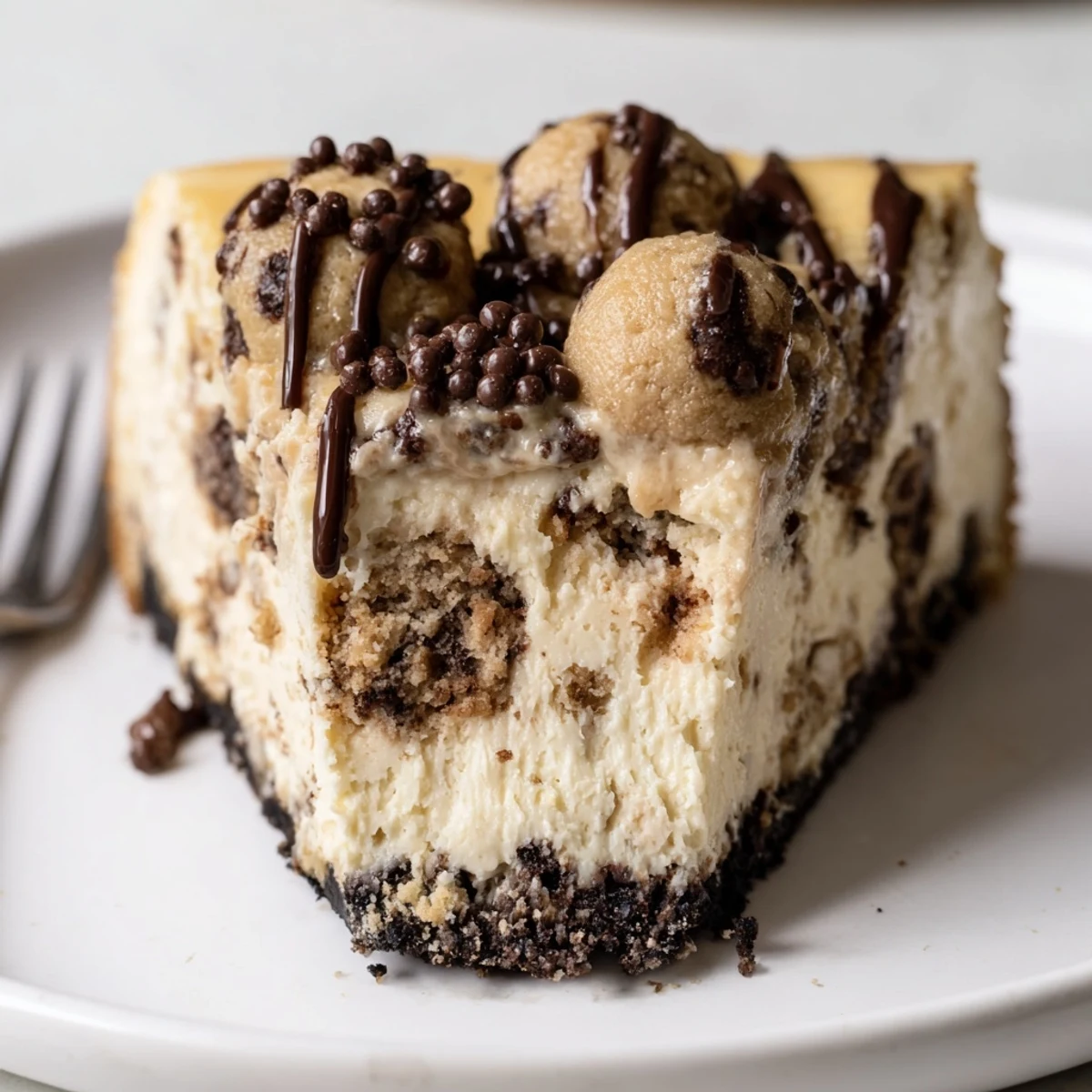
 Press a chocolate cookie crumb crust into a 23 cm springform pan and freeze briefly. Whip a smooth cream-cheese filling, fold in a touch of flour, then pour half the batter, scatter marble-sized heat-treated cookie dough balls, and top with the remaining filling. Bake at 160°C until edges set, cool slowly in the oven, then chill at least 4 hours before slicing and serving.
The moment I slid that first forkful of cookie dough cheesecake onto my plate, the room filled with the scent of vanilla and bittersweet chocolate. I hadn’t planned on combining my two favorite desserts until one rainy afternoon curiosity took over. The gentle hum of the mixer made the kitchen sound like a safe haven while the dough spun around the beaters. Baking this felt more like a giddy experiment than a routine recipe, and sometimes those work out best.
The first time I made this cheesecake for game night, everyone’s attention drifted from their cards to the kitchen as the sweet scent drifted through the apartment. My best friend actually snuck off to steal a second slice before anyone noticed. We ended up sitting around the counter, forks in hand, talking about everything but the score. It’s the kind of recipe that creates its own celebration, even on the most random Tuesday.
Ingredients
- Chocolate sandwich cookies: Crushing these (I like to smash them inside a sealed bag) gives you the perfect crumb for a crisp, chocolatey crust.
- Unsalted butter: Don’t skip melting; it binds the crust together and adds richness without extra saltiness.
- Brown and granulated sugar: The brown sugar in the cookie dough adds a gentle molasses depth, while granulated keeps the overall balance sweet but not overwhelming.
- All-purpose flour (heat-treated): Take the time to heat-treat; it’s a small step that makes the cookie dough safe to eat raw and gives just the right texture.
- Mini chocolate chips: Smaller chips mean there are more gooey chocolate bursts throughout your cookie dough and on top.
- Cream cheese: Full-fat, softened cream cheese is essential—let it come up to room temperature for that ultra-smooth batter.
- Eggs: These should also be at room temperature so the filling stays creamy and doesn’t crack in the oven.
- Sour cream: A spoonful of this makes the cheesecake silkier and keeps it from being too dense.
- Vanilla extract: I always take an extra second to really breathe in the vanilla before pouring—it makes everything taste homemade.
Instructions
- Set the Stage:
- Preheat your oven to 160°C (325°F) and prepare a 23 cm springform pan with a snug layer of parchment on the bottom. A quick swipe of butter along the sides helps the cake release smoothly later.
- Build the Crust:
- Mix the crushed chocolate sandwich cookies with melted butter until every crumb glistens. Press the mixture firmly into your pan and pop it in the freezer—it firms up while you prep the other layers.
- Whip Up Cookie Dough:
- Cream your softened butter with brown and granulated sugar until it looks pale and fluffy, sending little swirls of sugar clouds into the air. Gently beat in milk and vanilla, then fold in heat-treated flour, salt, and mini chocolate chips before rolling the dough into marble-sized balls—stash most in the fridge for later layers, saving a handful for the topping.
- Blend the Cheesecake Filling:
- In a large bowl, blend cream cheese and sugar until it smooths out; add eggs one at a time, scraping the bowl so everything stays satiny. Blend in sour cream, vanilla, and flour just until the batter comes together without overmixing.
- Layer and Assemble:
- Pour half your creamy cheesecake batter over the chilled crust, then scatter half the cookie dough balls over it. Pour the rest of the batter gently on top and arrange the remaining dough balls for a playful look.
- Bake with Care:
- Bake for 55-65 minutes, until edges look set but the center has a soft wobble—don’t worry, it’ll firm as it cools. Turn off the oven, crack open the door, and let the cheesecake relax and cool inside for an hour, which helps keep cracks away.
- Cool and Chill:
- Let it finish cooling at room temperature, then transfer to the fridge for at least four hours (overnight is even better) for that textbook creamy texture.
- Finish and Serve:
- Before serving, dust the top with more mini chips and the saved cookie dough balls. Slice with a warm knife for the neatest pieces and serve chilled.
 Save to Pinterest
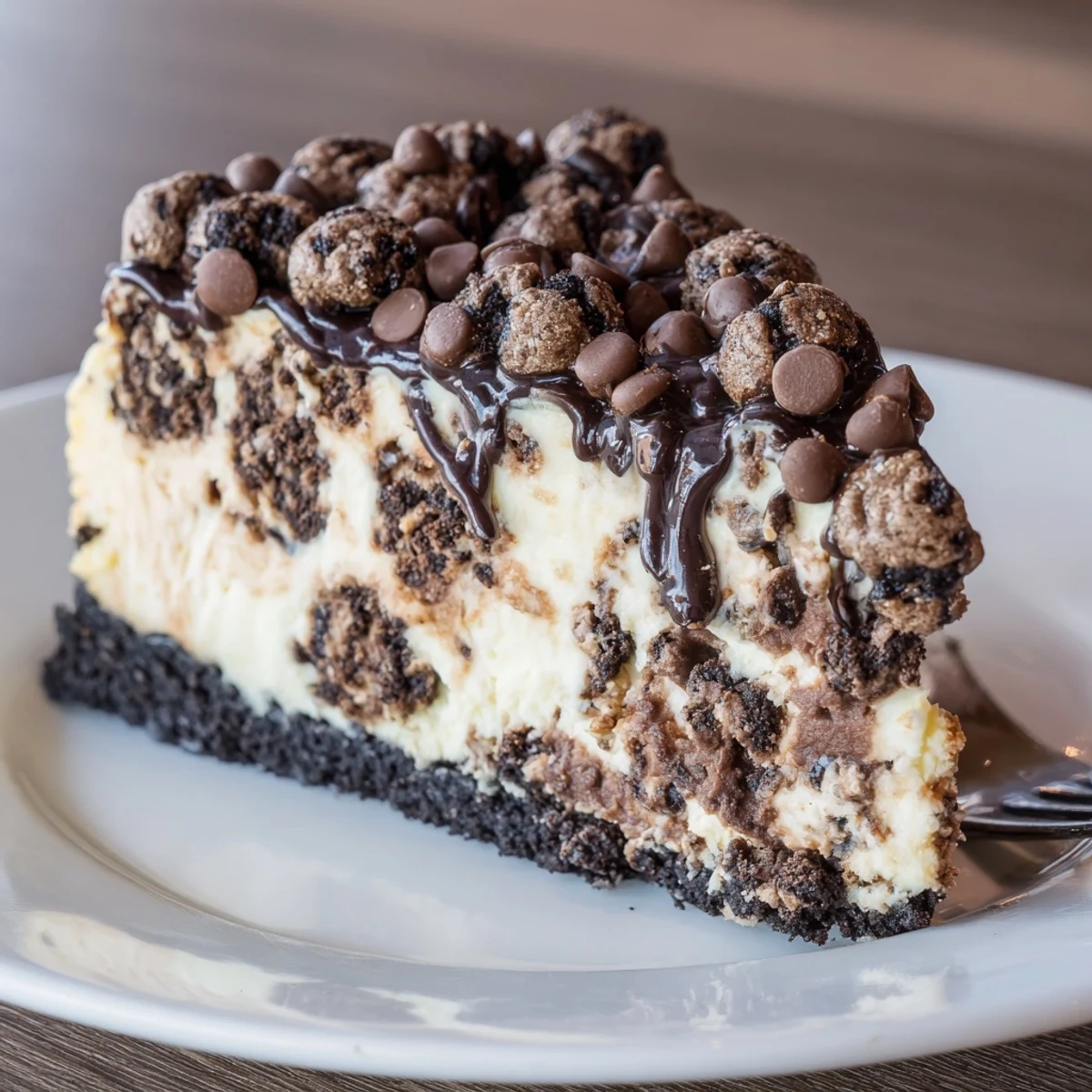
 I’ll never forget when my little nephew took his first bite and declared it was the best “surprise cheesecake” he’d ever had. Sharing that slice with him somehow made the effort of every bowl, spatula, and timer setting feel absolutely worth it.
How to Heat-Treat Flour (Safely!)
Raw flour can hide bacteria, so I always spread it out on a baking sheet and slide it into a hot oven for a few minutes before adding to the dough. Let it cool completely before using to avoid a gummy texture in your cookie dough balls. I learned the hard way that rushing this step leads to little lumps and odd flavors.
Getting the Crust Just Right
Packing the cookie crumbs in tightly makes all the difference—you want to use the bottom of a measuring cup and a steady palm. If the crust is too loose, it’ll break apart when you slice the cake, leaving the first piece looking a bit sad. I like to pop it in the freezer rather than just chilling in the fridge; it sets up far firmer every time.
Serving and Storing Leftovers
This cheesecake slices best with a knife dipped in hot water and wiped between cuts, giving you clean edges and neat layers. Keep leftovers covered in the fridge to maintain that creamy filling and chewy cookie dough texture for up to four days.
- If you have extra cookie dough, roll it into truffles and freeze for later snacking.
- Cheesecake can be made a day ahead, and in fact, chilling longer only improves the flavor.
- For a dramatic finish, drizzle each slice with warm chocolate sauce just before serving.
 Save to Pinterest
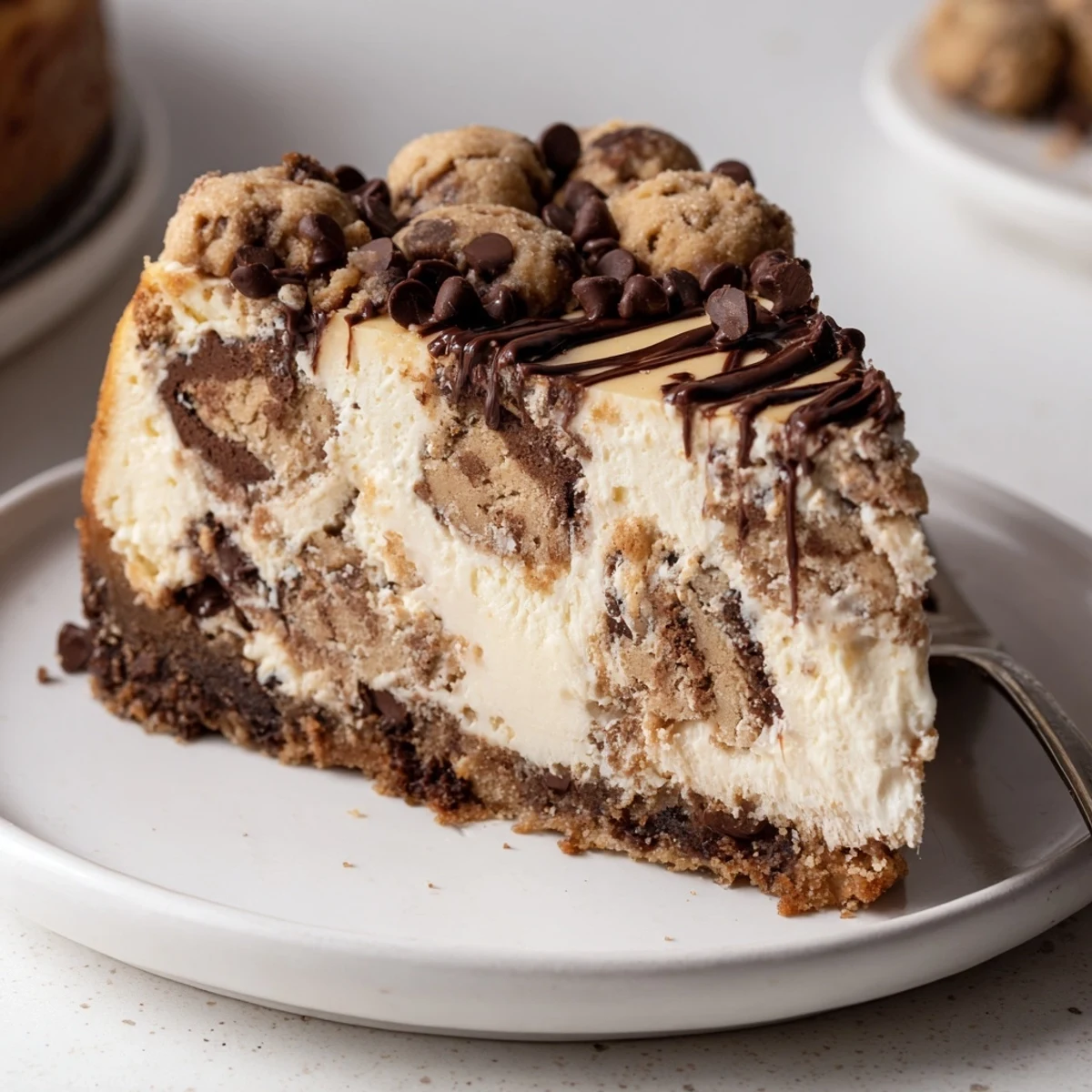
 Nothing brings together friends, chocolate lovers, and cookie dough fans quite like this cheesecake. Here’s to every marbled forkful and laughter-filled bite!
Recipe FAQs
- → How do I heat-treat the flour for the cookie dough?
-
Spread flour in a thin layer on a baking sheet and bake at 160°C (325°F) for about 5 minutes; let it cool completely before using to ensure safe no-bake dough.
- → Will the cookie dough balls sink during baking?
-
Form small, chilled marble-sized dough balls and refrigerate before assembling; scattering them between two batter layers helps them stay suspended rather than sinking to the bottom.
- → How can I avoid cracks on the cheesecake surface?
-
Mix the filling until just smooth to avoid excess air, bake until edges are set and center slightly wobbly, then cool slowly with the oven door cracked for an hour to reduce sudden temperature shifts.
- → Can I swap the crust for a different base?
-
Yes: substitute graham crackers or a nut-and-butter crust. For a nuttier bite, fold 50 g toasted pecans into the cookie dough or press them into the crust.
- → How long will this keep and can it be frozen?
-
Store covered in the refrigerator for up to 3–4 days. Freeze individual slices wrapped tightly for up to 2 months; thaw overnight in the fridge before serving.
- → What are good finishing touches or serving ideas?
-
Sprinkle extra mini chocolate chips, place reserved cookie dough balls on top, or drizzle warmed chocolate sauce. Serve chilled in slices for best texture.