
 Save to Pinterest
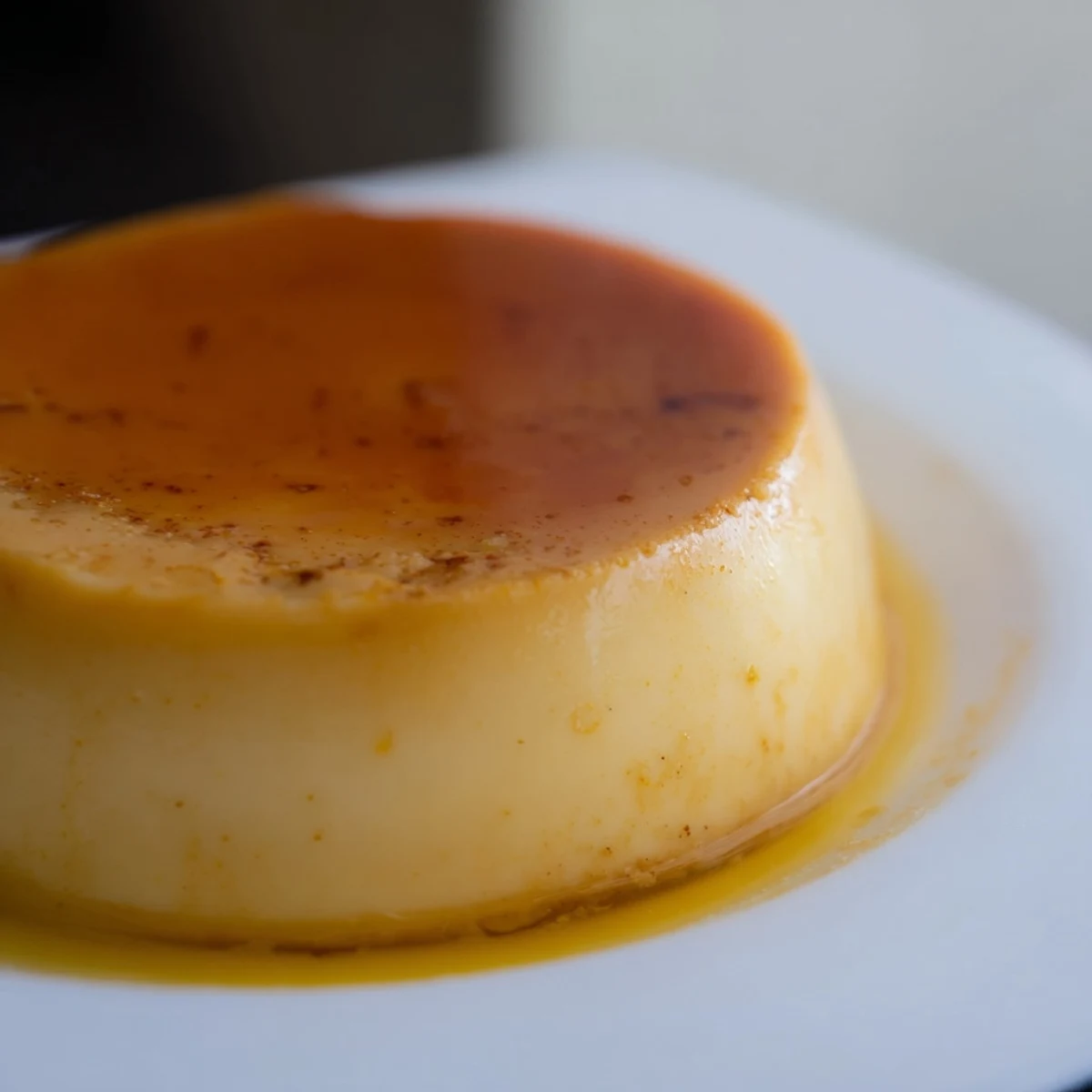
 A silky baked milk pudding featuring delicate vanilla aroma and golden caramelized top. Made with whole milk, heavy cream, eggs, sugar, and vanilla extract. Perfect for cozy evenings or as a refined dessert finish to any meal.
This European-style custard dessert is easy to prepare, requiring just 10 minutes of prep time and 45 minutes of baking. The result is a smooth, wobbly pudding that can be served warm or chilled, optionally topped with caramelized sugar for extra golden finish.
My grandmother used to make something similar on Sunday afternoons, the whole house filling with that warm vanilla scent that somehow made everything feel right with the world. She never measured anything, just knew by the color of the custard and the way it coated the spoon when it was ready. Ive been trying to recreate that magic for years, and I think this version comes pretty close.
Last winter I made this for a dinner party when someone mentioned they were craving comfort food but something elegant. We ended up eating it straight from the ramekins, standing around the kitchen island, forgetting about the actual meal wed just planned. Sometimes the simplest desserts create the biggest moments.
Ingredients
- Whole milk: The fat content matters here, it gives the pudding that luxurious mouthfeel that lowfat versions never quite achieve
- Heavy cream: This is what makes the pudding feel velvety rather than watery, though you can substitute with more milk in a pinch
- Eggs: Room temperature eggs blend more smoothly into the hot milk mixture, preventing those little cooked bits
- Granulated sugar: Regular white sugar dissolves easily and creates that beautiful golden top when caramelized
- Vanilla extract: Pure vanilla extract makes a noticeable difference, but if you have a vanilla bean, scrape those seeds into the milk while heating
- Salt: Just a pinch wakes up all the flavors and prevents the dessert from tasting flat or overly sweet
Instructions
- Preheat and prepare your vessel:
- Get your oven to 325°F (160°C) and butter whatever dish or ramekins youre using, reaching all the corners and crevices
- Gently heat the dairy:
- Warm the milk and cream together until theyre just steaming, watching closely so they never actually boil
- Whisk the base:
- Beat those eggs with sugar, vanilla, and salt until everything is smooth and slightly pale colored
- Temper like a pro:
- Pour the hot milk into the eggs very gradually while whisking continuously, incorporating the heat slowly so the eggs dont scramble
- Strain for silkiness:
- Pour everything through a fine sieve to catch any accidental cooked egg bits, because texture is everything here
- Set up the water bath:
- Place your baking dish in a larger roasting pan and carefully fill the outer pan halfway with hot water, creating that gentle, even heat
- Bake until just set:
- Cook for 40 to 45 minutes until the center still has a slight wobble when you gently shake the pan
- Create the golden crown:
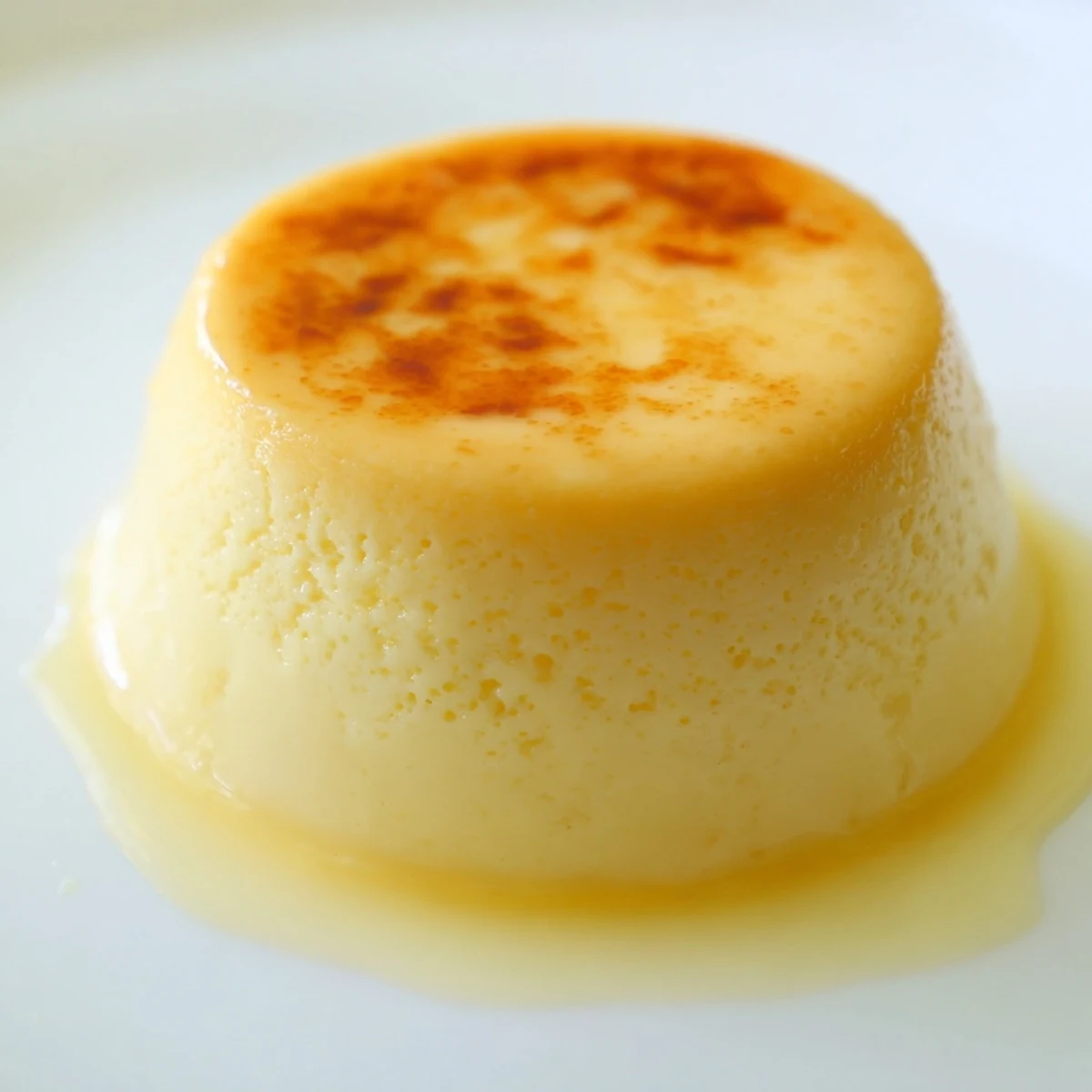
- Let it cool slightly, then sprinkle sugar on top and use a kitchen torch or quick broiler session to caramelize the surface
- Serve your way:
- This is lovely warm, but honestly I think its even better cold the next morning when the flavors have had time to deepen
 Save to Pinterest
 My friend Anna came over once when I was testing this recipe, and we ended up making six individual servings instead of one big dish. We ate them on the back porch watching the sunset, and she said it reminded her of something she had in a tiny cafe in Vienna years ago. Food has this way of triggering memories you didnt know you were holding onto.
Getting That Perfect Texture
The straining step might feel fussy, but it makes all the difference between a perfectly smooth pudding and one with those tiny egg bits that remind you youre eating something made with eggs. I learned this the hard way after serving a slightly lumpy version to guests who were too polite to mention it. Now I never skip the sieve, even when Im feeling rushed.
Making It Your Own
Lemon zest added to the milk while it heats creates this beautiful brightness that cuts through the richness. I discovered this by accident when I was multitasking and making lemon bars simultaneously, grabbed the wrong bowl, and ended up with something unexpectedly wonderful. Sometimes the kitchen is where the best experiments happen.
Serving and Storing
Fresh berries are classic, but honestly, a little sprinkle of cinnamon over the caramelized top creates this incredible warmth that works especially well in colder months. I keep individual servings in small jars in the fridge for emergency latenight sweets.
- Don't cover it tightly while warm or condensation will make the top weepy and sad
- The caramelized sugar layer will soften over time in the refrigerator, so add it right before serving if you want that crackle
- This pudding freezes surprisingly well, though the texture changes slightly, becoming a bit more like ice cream when thawed
 Save to Pinterest
 There is something profoundly comforting about a dessert that requires so little effort but delivers such deep satisfaction. I hope this finds its way into your regular rotation, the way it has into mine.
Recipe FAQs
- → Can I make this pudding without heavy cream?
-
Yes, you can substitute the heavy cream with additional milk for a lighter version. The pudding will still be delicious, though slightly less rich and creamy in texture.
- → How do I achieve the caramelized top?
-
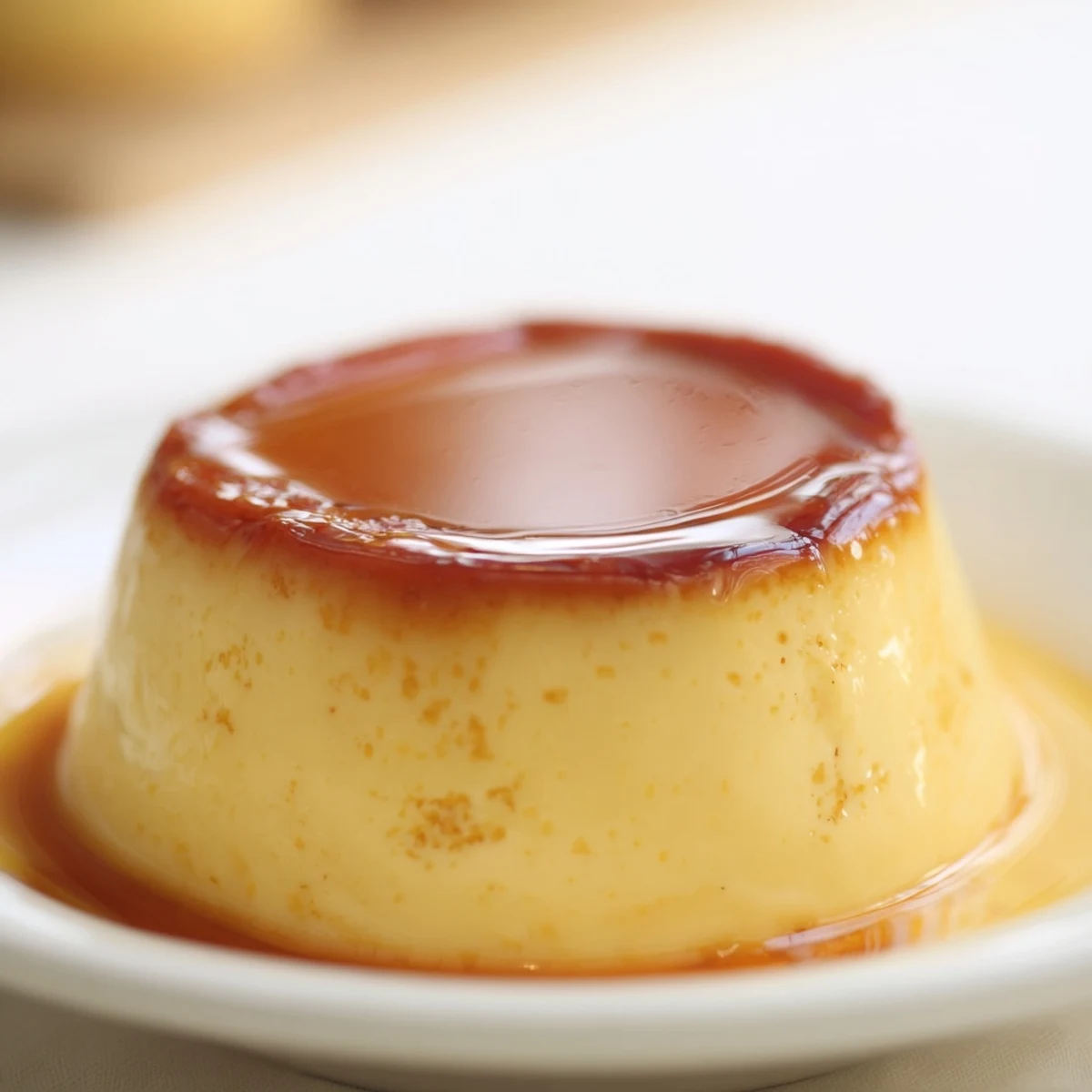
Sprinkle 2 tbsp of granulated sugar on top of the pudding after baking. You can then caramelize it using a kitchen torch or by placing under the broiler for a few seconds until golden brown.
- → Can this pudding be made ahead of time?
-
Absolutely! The pudding is best enjoyed the day it's made, but can be refrigerated for up to 2 days. Simply reheat gently before serving if desired.
- → What's the best way to serve this pudding?
-
This pudding is versatile and can be served warm or chilled. It pairs beautifully with fresh berries or a light dusting of cinnamon for extra flavor.
- → Can I use different flavorings?
-
While vanilla works perfectly, you can experiment with other flavors. Try infusing the milk with a split vanilla bean, lemon zest, or even a touch of almond extract for variation.