
 Save to Pinterest
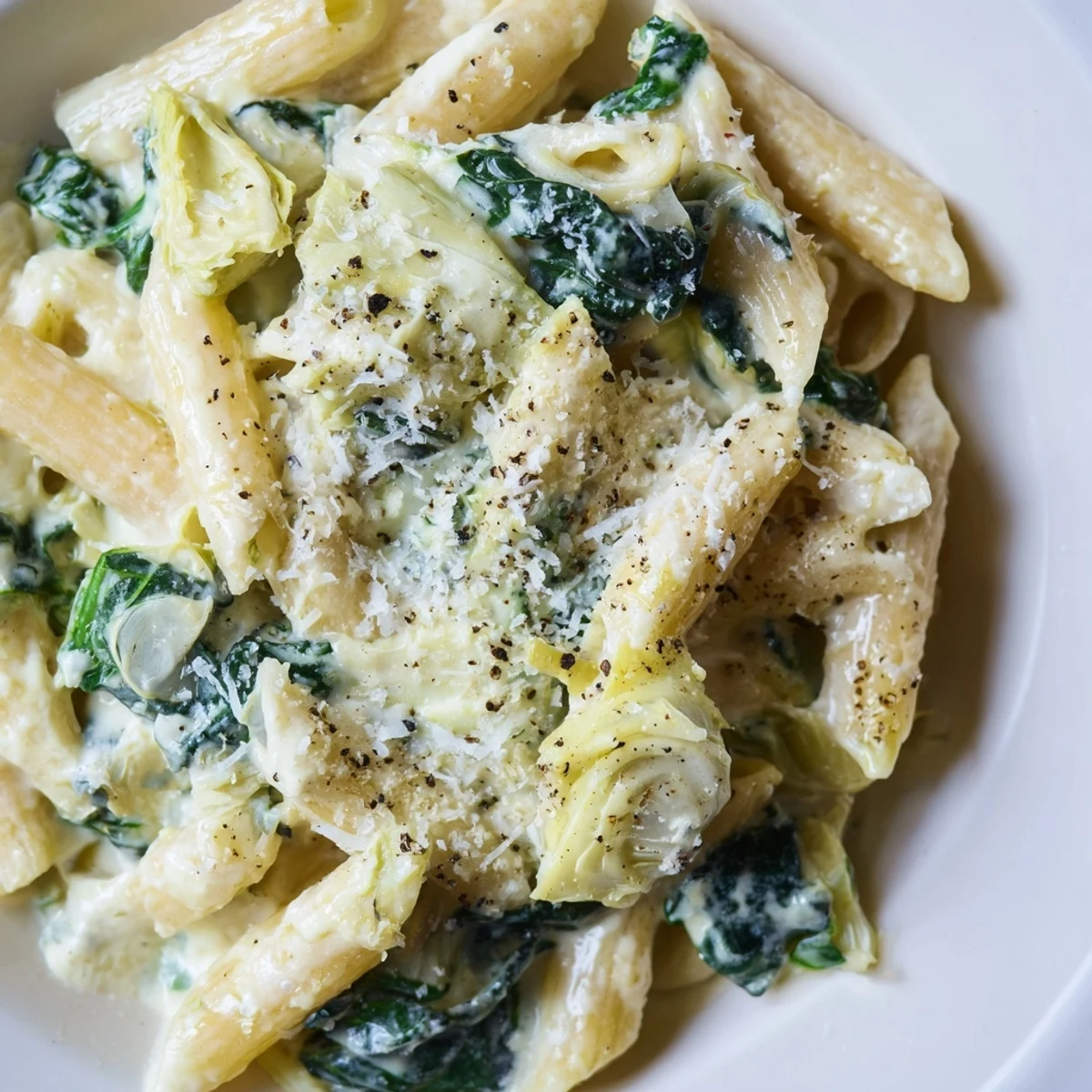
 This dish features tender penne pasta enveloped in a rich, creamy sauce enhanced by sautéed spinach and artichoke hearts. Garlic infuses the sautéed vegetables, while parmesan and cream cheese create a velvety finish. A hint of lemon zest and nutmeg lends delicate brightness and warmth. The pasta water helps achieve a smooth, clingy sauce that coats each piece. Garnished with extra parmesan and black pepper, it’s an easy yet satisfying meal perfect for weeknights.
There's a moment during dinnertime when someone asks what you're making, and you realize you've found that one dish that always draws people in. For me, it was a quiet Thursday when I threw together cream, spinach, and artichokes in a pan, and my kitchen filled with this warm, herbaceous comfort that made everything feel less rushed. That pasta became the thing I'd make when I wanted to feel like I was feeding people something that mattered, without fussing in the kitchen for hours.
I made this for my sister the first time she visited after moving away, and I remember how she kept twirling the penne on her fork, asking what was in it because she couldn't quite place the flavor. When I told her about the artichoke hearts, she laughed and said she'd been eating them wrong her whole life. That's when I knew this was a keeper—a dish that turns ordinary ingredients into something people actually want to come back for.
Ingredients
- Penne pasta (350 g/12 oz): The tube shape catches all that creamy sauce, so every bite is actually worth your while.
- Olive oil (2 tablespoons): Use good oil here—it's one of the few things that touches the pan, so it matters.
- Garlic (3 cloves, minced): Fresh is absolutely non-negotiable; the garlic sets the entire tone of the sauce.
- Fresh spinach (150 g/5 oz): It wilts down to almost nothing, so don't be shy with the pile—roughness is perfect, no need to chop finely.
- Artichoke hearts (1 can, 400 g/14 oz): Drained and quartered; canned works beautifully here, no fresh hunting required.
- Heavy cream (250 ml/1 cup): This is what makes it silky; don't skimp or substitute at this stage.
- Parmesan cheese (120 g/1 cup, grated): Freshly grated makes a noticeable difference in how it melts into the sauce.
- Cream cheese (120 g/4 oz, softened): It acts as an emulsifier and gives the sauce body without needing flour.
- Lemon zest (1 teaspoon): This tiny bit of brightness keeps everything from tasting one-note or overly rich.
- Ground nutmeg (1/4 teaspoon): A whisper of warmth; measure carefully because nutmeg can overpower quickly.
- Salt and freshly ground black pepper: Taste as you go—the cream cheese and parmesan are already salty, so you might need less than you think.
Instructions
- Get your water boiling:
- Fill a large pot generously with water, salt it well (it should taste like the sea), and bring it to a rolling boil. This is where the pasta picks up its flavor foundation.
- Cook the penne right:
- Add penne and cook until it's just al dente—a little tender but still with a gentle resistance when you bite it. Set a timer and taste a minute before the package says it's done, because those last 60 seconds matter.
- Sauté the aromatics:
- While pasta cooks, warm olive oil in your skillet over medium heat until it shimmers slightly. Add minced garlic and let it soften for about a minute until the whole kitchen smells incredible—that's when you know it's ready for the next step.
- Wilt the spinach:
- Pile in your spinach all at once (it looks like way too much, but trust it), and stir until it collapses into tender ribbons. This takes about two minutes and transforms from intimidating pile to something manageable almost instantly.
- Add the artichokes:
- Stir in the quartered artichoke hearts and let them warm through for another couple of minutes. They don't need much—just enough to get into the spirit of things.
- Build the cream base:
- Lower your heat to medium-low, then add the softened cream cheese in small pieces and stir gently until it melts into the vegetables. It might look curdled for a second, but stay patient and keep stirring—it comes together.
- Create the sauce:
- Pour in the heavy cream, add your grated parmesan, lemon zest, and nutmeg. Stir until everything is silky and the sauce coats the back of a spoon. This should take about three or four minutes, and you'll feel the moment it goes from loose to luxurious.
- Season with intention:
- Taste the sauce and add salt and pepper thoughtfully. Remember that parmesan and cream cheese are already salty, so a little goes a long way here.
- Bring it together:
- Drain your pasta (keeping that pasta water nearby), add it to the skillet, and toss everything together so every piece gets coated in sauce. If it looks too thick, add a splash or two of that reserved pasta water—it's a forgiving sauce that loosens up beautifully.
- Finish and serve:
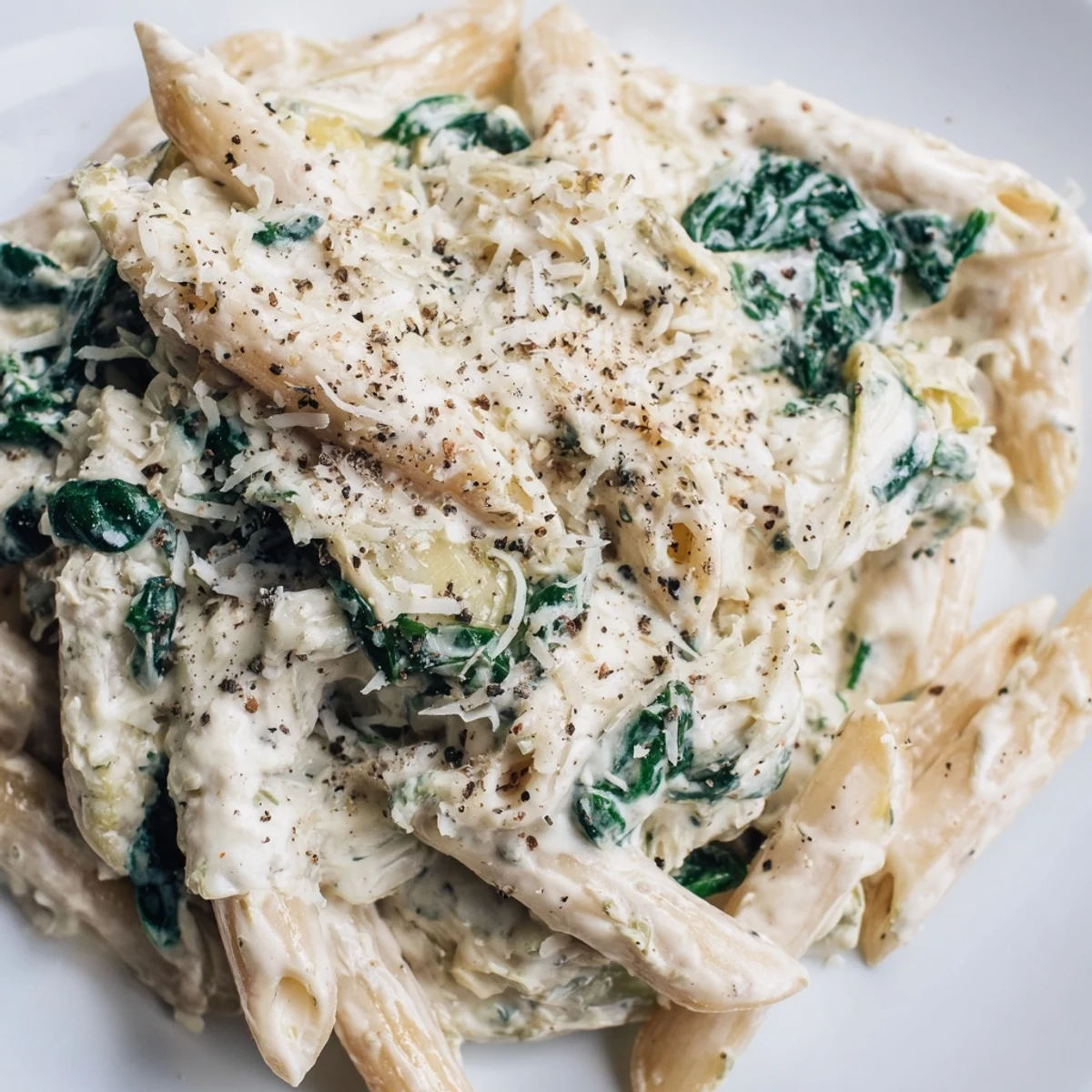
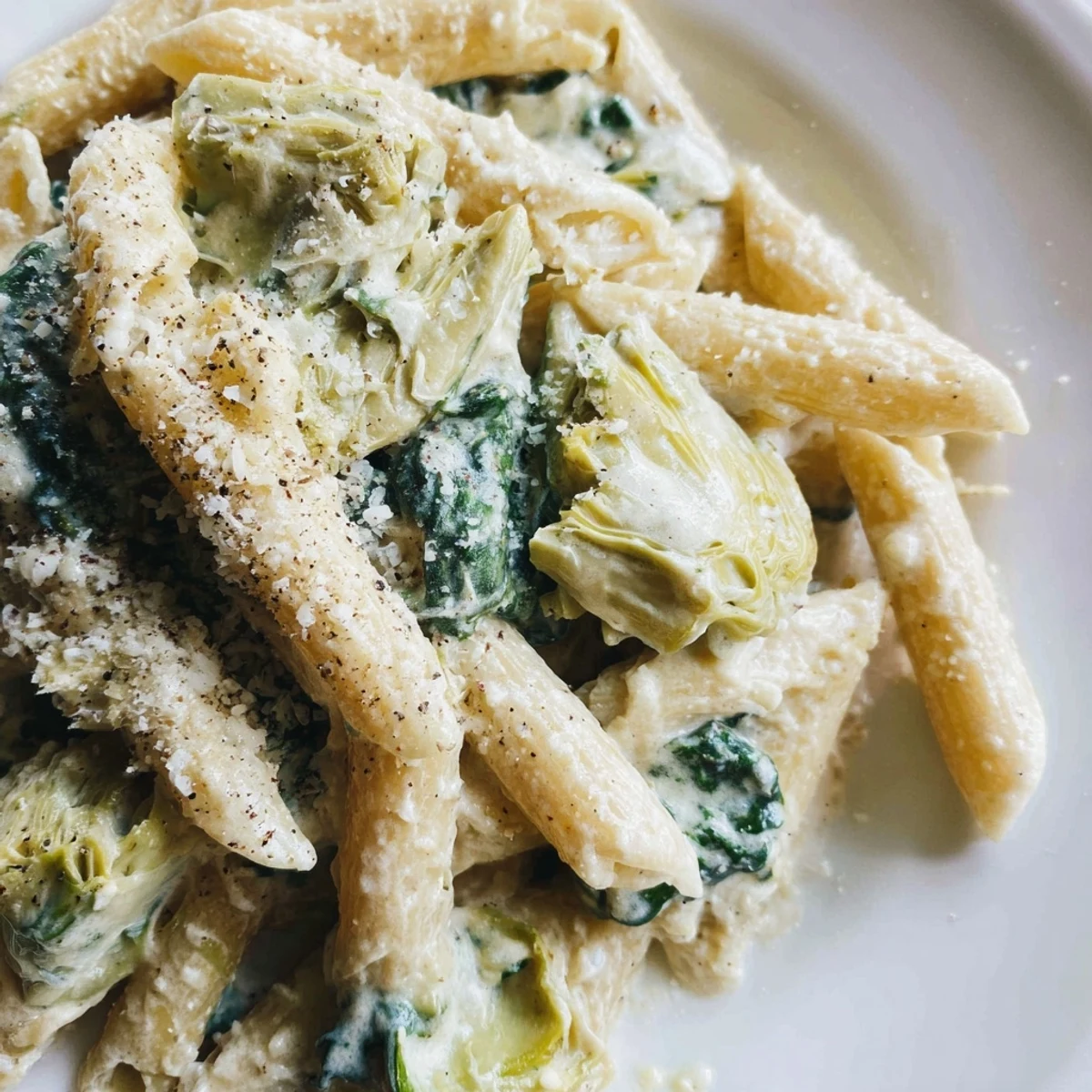
- Divide among bowls, top with a generous amount of extra parmesan and a grind of black pepper. Serve while it's hot and the sauce is still glossy.
 Save to Pinterest
 There's something about watching someone take their first bite and seeing their shoulders relax—that's when you know a dish has crossed over from being just dinner into being comfort. This pasta does that almost every time.
How to Make This Lighter
If you want the same warmth without feeling heavy afterward, swap the heavy cream for half-and-half or even whole milk mixed with a bit of cream cheese to keep the texture rich. The dish still feels indulgent, just gentler on the stomach after you've eaten.
Building on This Base
This is one of those recipes that welcomes additions rather than fighting them. Shredded cooked chicken, pan-seared shrimp, or even crispy pancetta chunks all make sense here without needing any major adjustments to technique or timing.
Serving and Pairing Suggestions
A crisp white wine like Pinot Grigio cuts through the richness beautifully, and a simple green salad with lemon vinaigrette on the side feels like the natural companion. Garlic bread works too if you're in the mood to round out the meal without overthinking it.
- Serve this right away while the sauce is still silky and warm, not after it's been sitting.
- Leftover pasta keeps for three days in the fridge and reheats gently with a splash of cream or pasta water stirred in.
- A small sprinkle of fresh parsley on top adds a hint of green color if that matters to you.
 Save to Pinterest
 This is the kind of dinner that doesn't ask much of you but gives back comfort and the quiet satisfaction of having fed people well. Make it whenever you need that feeling.
Recipe FAQs
- → What pasta is best suited for this dish?
-
Penne pasta works well as it holds the creamy sauce effectively with its tube shape, but rigatoni or ziti could be good alternatives.
- → Can I substitute the heavy cream with a lighter option?
-
Yes, half-and-half can be used for a lighter texture without sacrificing too much creaminess.
- → How do I prevent the sauce from becoming too thick?
-
Adding reserved pasta water gradually helps loosen the sauce and improves its consistency.
- → What cooking method intensifies the flavor of the spinach and artichokes?
-
Sautéing garlic first and then cooking spinach and artichokes in olive oil enhances their depth and brings out their natural flavors.
- → Is it possible to add protein to this dish?
-
Adding cooked chicken or shrimp can provide extra protein and complement the creamy sauce.
- → What garnishes can enhance the presentation and flavor?
-
Extra grated parmesan and freshly ground black pepper add both visual appeal and a savory finish to the dish.