
 Save to Pinterest
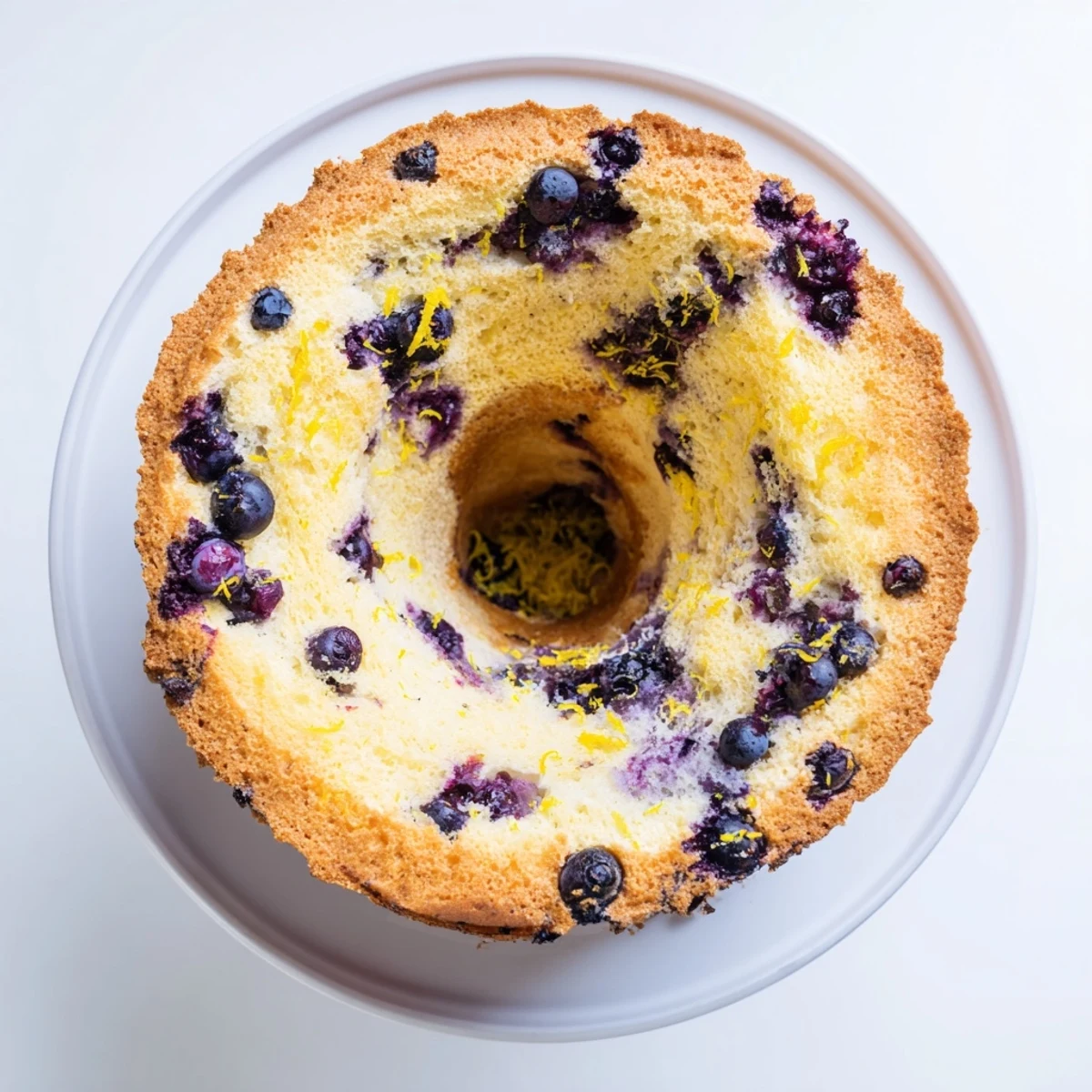
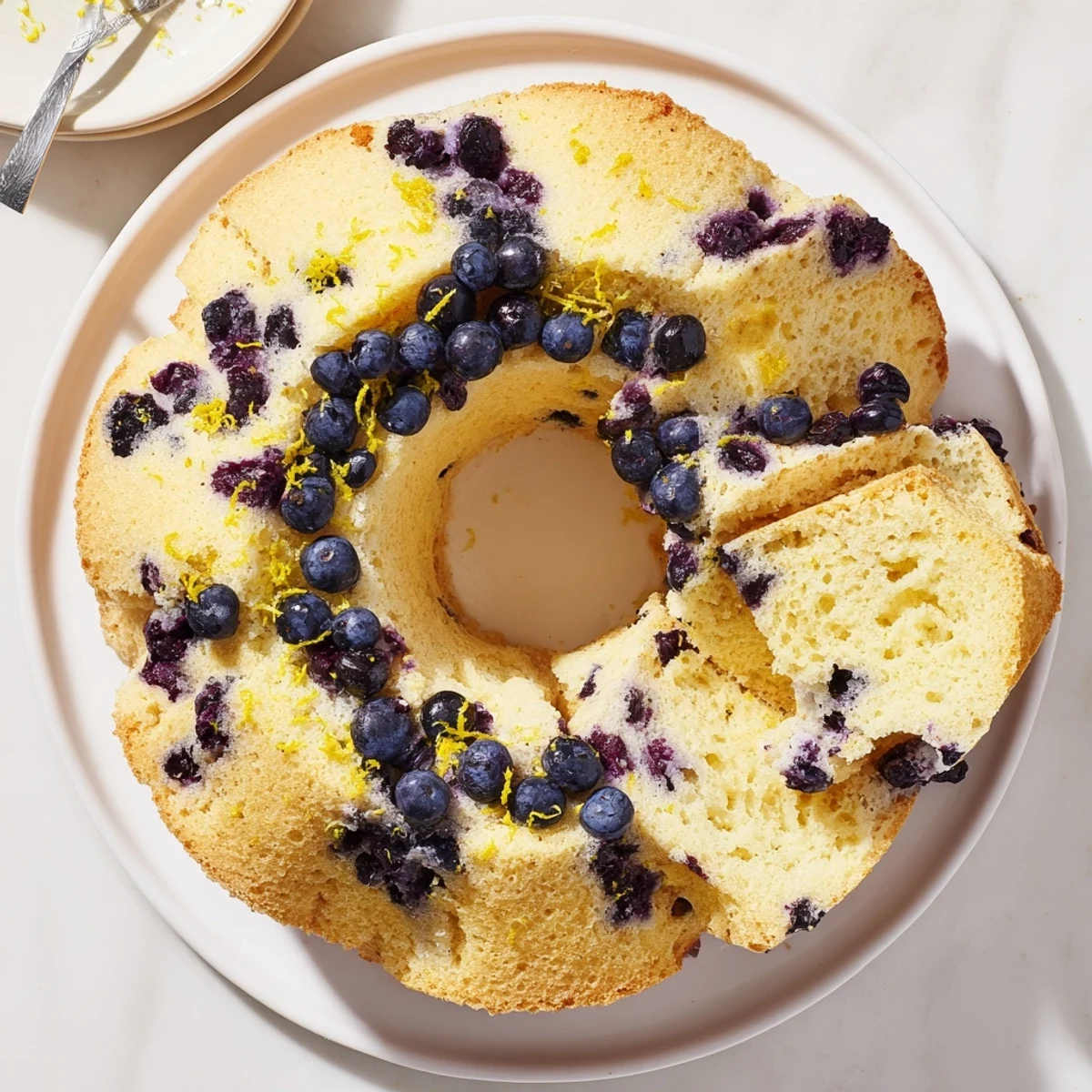
 This stunning chiffon cake combines the delicate texture of traditional sponge with juicy fresh blueberries and bright lemon zest. The secret lies in properly whipped egg whites, which create that signature cloud-like crumb. After baking, the cake must cool upside down to maintain its height and structure.
The folding technique is crucial—gently incorporating the stiff peaks preserves all the air bubbles you've worked to create. Dusting berries with flour keeps them evenly distributed throughout the batter rather than sinking to the bottom.
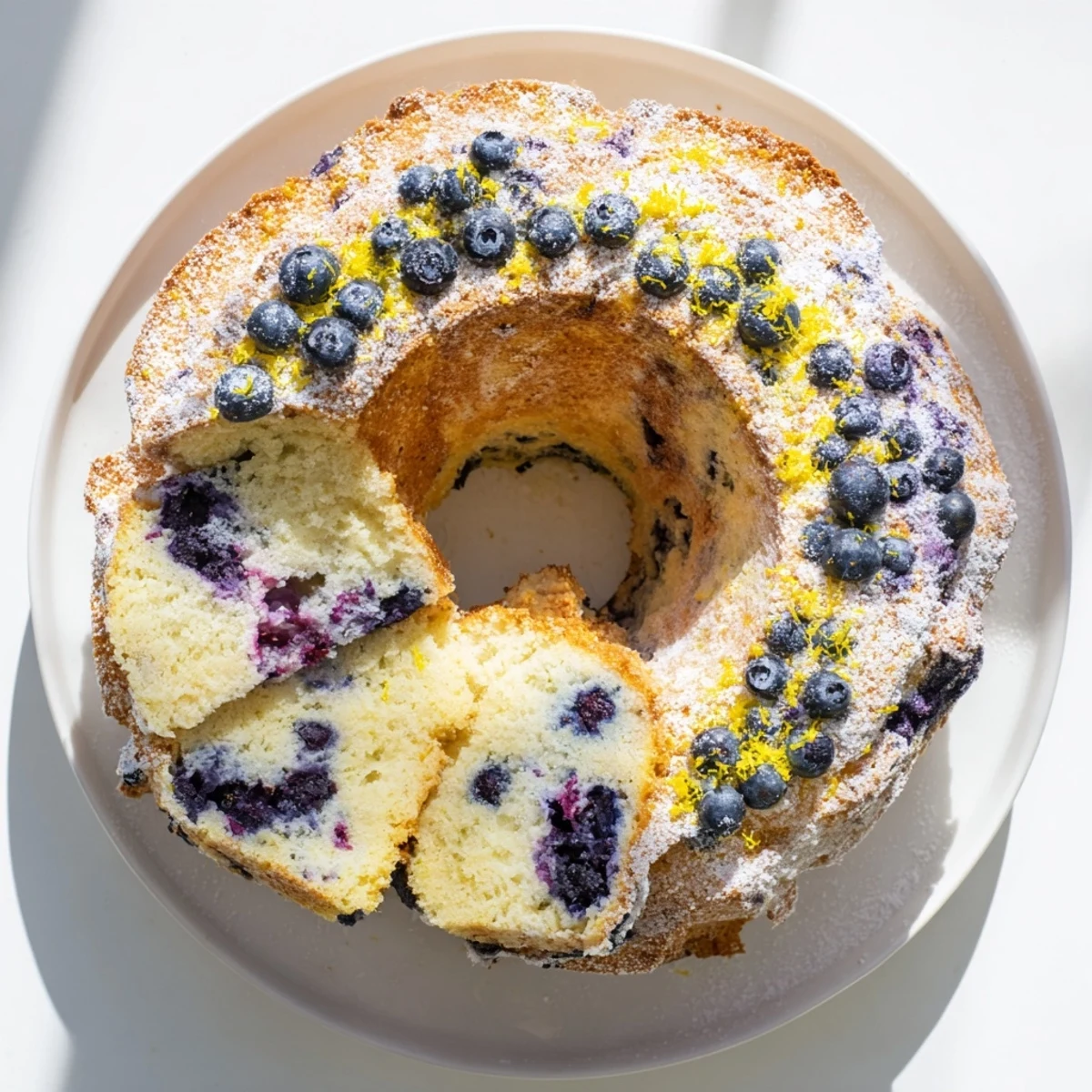
Serve it plain to showcase its simplicity, or add a drizzle of lemon glaze and dollop of whipped cream for special occasions. The texture is incomparably light, making each slice feel virtually weightless while still satisfying your sweet tooth.
There was this one summer afternoon when my kitchen smelled like heaven itself lemon zest wafting through the air and fresh blueberries staining my fingertips purple. I had promised to bring dessert to a friends garden party and somehow chiffon cake felt like the right amount of ambitious without being ridiculous. The cake came out taller than I expected and when I served it that evening people actually went quiet for a second before reaching for seconds.
Last summer my neighbor came over just as I was folding the egg whites into the batter and she watched with wide eyes convinced I would mess it up. When the cake emerged from the oven golden and towering she admitted she had never attempted chiffon because it seemed too fussy. We ate slices on the back porch while the kids ran through sprinklers and she asked for the recipe before even finishing her first piece.
Ingredients
- 2 cups cake flour sifted: Using cake flour instead of all purpose gives that delicate tender crumb that literally melts in your mouth
- 1 1/4 cups granulated sugar divided: Splitting the sugar between the dry ingredients and the egg whites is the secret to proper structure
- 2 teaspoons baking powder: Just enough lift to help the cake rise without making it taste chemical or bitter
- 1/2 teaspoon salt: Enhances all the flavors and keeps the cake from tasting flat or overly sweet
- 7 large eggs separated: Room temperature eggs separate more easily and whip up better for maximum volume
- 1/2 cup vegetable oil: Oil keeps the cake moist for days unlike butter which can firm up in the fridge
- 3/4 cup cold water: Cold water might seem odd but it creates a lighter batter than room temperature liquid
- 2 teaspoons vanilla extract: Use the good stuff here because it really shines in such a delicate cake
- 1 teaspoon finely grated lemon zest: Only grate the bright yellow part avoiding the bitter white pith underneath
- 1 1/2 cups fresh blueberries: Pick the smallest sweetest berries you can find for even distribution
- 1 teaspoon all-purpose flour for dusting: This tiny trick keeps your berries from sinking to the bottom during baking
- 1/2 teaspoon cream of tartar: Stabilizes the egg whites so they hold their shape through folding and baking
Instructions
- Preheat your oven:
- Set it to 325°F and grab a 10 inch chiffon or tube pan but whatever you do do not grease it
- Whisk the dry ingredients:
- Sift together cake flour one cup of sugar baking powder and salt in a large bowl
- Mix the wet ingredients:
- In another bowl whisk the egg yolks oil water vanilla and lemon zest until completely smooth
- Combine the mixtures:
- Pour the wet mixture into the dry ingredients and whisk just until combined
- Beat the egg whites:
- With spotless beaters whip egg whites and cream of tartar until soft peaks form then gradually add remaining sugar until stiff and glossy
- Fold everything together:
- Gently fold the whites into the batter in three additions being careful not to deflate all that air you just whipped in
- Add the blueberries:
- Toss berries with that teaspoon of flour then gently fold them in trying not to squish them
- Bake it:
- Pour batter into the ungreased pan smooth the top and bake 45 to 50 minutes until a skewer comes out clean
- Cool upside down:
- Immediately invert the pan onto a bottle or funnel and let it cool completely about an hour
- Release and serve:
- Run a knife around the edges and center tube then transfer to a plate
 Save to Pinterest
 My aunt taught me that chiffon cake is actually incredibly forgiving once you understand the chemistry behind it. We made three in one day testing different variations and by the third attempt I felt like I had been making chiffon cakes my whole life. Now it is my go to when I want to impress without spending hours in the kitchen.
Getting The Rise Right
The first time I made chiffon cake I thought it would be like any other cake but learned quickly that chiffon has its own personality. The magic happens because the batter needs to climb up the sides of the pan as it bakes which is why we do not grease it. When inverted the structure sets in place creating that signature tall fluffy texture that makes chiffon so special.
Working With Egg Whites
Egg whites are picky about temperature and cleanliness so I always let my eggs sit on the counter for thirty minutes before starting. Cold egg whites whip up fine but room temperature ones reach greater volume and fold more easily into the batter. A splash of cream of tartar helps stabilize everything so your whites do not weep or collapse during folding.
Blueberry Distribution Secrets
There is nothing sadder than cutting into a beautiful cake and finding all the berries sunk at the bottom in a sad line. The lightest dusting of flour coats each berry just enough to keep it suspended throughout the batter. I also try to choose smaller blueberries which distribute more evenly and burst more pleasantly in each bite.
- Gently fold the berries in at the very end to avoid squishing them
- Frozen blueberries work fine but do not thaw them first or they will bleed
- If using very large berries cut them in half before adding to the batter
 Save to Pinterest
 Every time I serve this cake someone asks how I got it so light and I just smile and say magic. Really it is just a little patience and the willingness to trust the process.
Recipe FAQs
- → Why must chiffon cake cool upside down?
-
Cooling upside down prevents the delicate structure from collapsing under its own weight. The air bubbles created by whipped egg whites are still fragile when hot, and gravity would cause the cake to deflate. Inverting the pan allows it to set properly while maintaining height and texture.
- → Can I use frozen blueberries instead of fresh?
-
Yes, frozen blueberries work perfectly in this chiffon cake. Add them directly from the freezer without thawing—thawing releases excess moisture that can make the batter too wet and affect the texture. The flour coating still helps distribute them evenly throughout the batter.
- → Why shouldn't I grease the chiffon pan?
-
The batter needs to climb up the ungreased sides of the pan to achieve proper rise. Greasing creates a slippery surface that prevents the cake from gripping the pan as it bakes. This unique characteristic is why chiffon cakes require special tube pans with removable bottoms.
- → How do I know when egg whites are beaten to stiff peaks?
-
Stiff peaks are achieved when the egg whites hold their shape firmly when the beaters are lifted. The peaks should stand straight up without curling over at the tips. The mixture will appear glossy and thick. Be careful not to overbeat, or the whites will become dry and difficult to fold in.
- → What's the purpose of cream of tartar in this cake?
-
Cream of tartar stabilizes the egg whites, helping them reach maximum volume and maintain their structure during baking. It acidifies the whites, which strengthens the protein network and prevents the air bubbles from collapsing. This ensures your chiffon cake achieves that signature fluffy, airy texture.
- → Can I make this cake ahead of time?
-
The cake keeps well at room temperature for up to two days when wrapped in plastic. For longer storage, refrigerate for up to five days, though bring it to room temperature before serving for the best texture. The cake also freezes beautifully for up to three months—wrap it tightly in plastic and foil before freezing.