
 Save to Pinterest
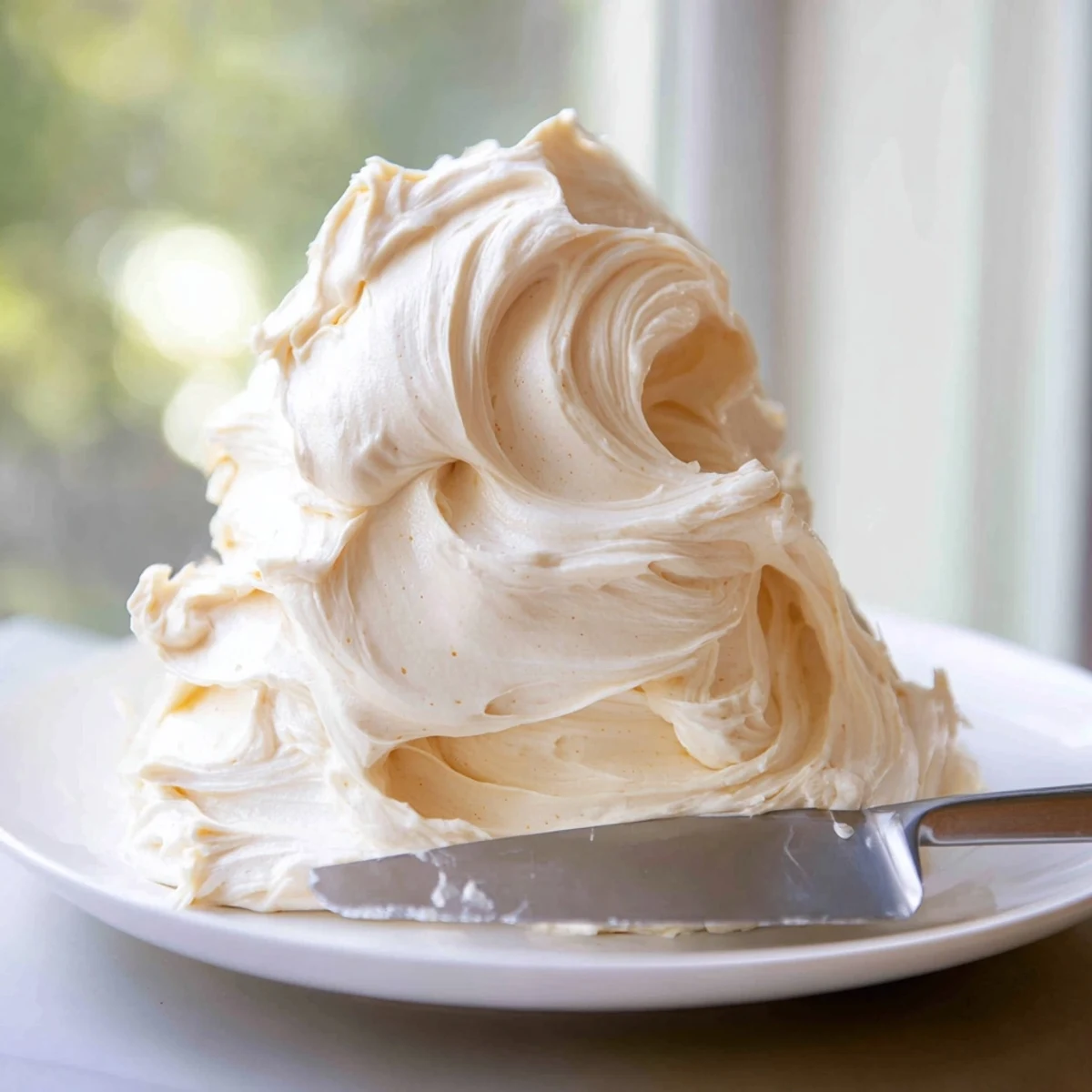
 This Italian meringue buttercream yields a silky, pipeable frosting that elevates any layer cake or cupcake. Hot sugar syrup is drizzled into stiffly whipped egg whites to create a glossy, stable meringue, then room-temperature butter is beaten in gradually until the mixture turns impossibly smooth and velvety.
The entire process takes about 40 minutes from start to finish. A candy thermometer and stand mixer are essential for achieving the right syrup temperature and meringue consistency. The result is roughly 6 cups of buttercream—enough to generously frost a three-layer 8-inch cake.
Flavor variations are endless: fold in espresso powder, cooled melted chocolate, or fruit purées at the final stage. Store leftovers covered in the refrigerator for up to five days, then bring to room temperature and re-whip before using.
My kitchen looked like a flour bomb had gone off and the mixer was whirring at full tilt the afternoon I decided Italian meringue buttercream was going to be my crowning achievement. Three failed batches later, surrounded by bowls of weepy meringue and greasy separated mess, I finally understood why pastry chefs treat this frosting with such reverence. The moment that silky, ivory cloud finally came together and spread like a dream across my daughter's birthday cake, I knew every frustrated minute had been worth it.
I first attempted this buttercream for a close friend's wedding shower, figuring a simple cake would impress no one. My mixer was not having it, and at one point the whole batch looked like scrambled eggs floating in soup. My friend leaned over my shoulder, laughed, and said it looked like a science experiment gone wrong. I kept whipping, and ten minutes later that same mixture transformed into the most luxurious frosting I had ever tasted.
Ingredients
- Granulated sugar (200 g): The foundation of your sugar syrup, and the reason measuring precisely matters more than you think.
- Water (60 ml): Just enough to help the sugar dissolve evenly before it starts caramelizing.
- Egg whites, room temperature (4 large): Cold whites will not whip to their full volume, so plan ahead and let them sit out for about thirty minutes.
- Cream of tartar (1/4 tsp, optional): Stabilizes the whites and gives you a little insurance against overwhipping.
- Fine sea salt (1/8 tsp): A tiny pinch that keeps the sweetness from becoming cloying.
- Unsalted butter, room temperature, cubed (340 g): This is the heart of your buttercream, so use good quality butter and make sure it is truly at room temperature but still cool to the touch.
- Vanilla extract (1 tsp): Rounds out the flavor and adds warmth to every bite.
Instructions
- Bloom the syrup:
- Combine sugar and water in a small saucepan over medium heat, swirling gently until the sugar fully dissolves. Attach your candy thermometer and watch it climb toward that magic number of 115 degrees Celsius.
- Whip the whites:
- In a spotlessly clean mixer bowl, start whipping egg whites, cream of tartar, and salt on medium speed. You want soft, droopy peaks right as your syrup hits its target temperature.
- Thread the syrup:
- With the mixer running on medium high, pour the hot syrup in a slow, steady stream between the bowl wall and the whisk. Try to avoid hitting the whisk directly or you will end up with spun sugar strands everywhere.
- Whip to glossy perfection:
- Crank the speed to high and let it go until the meringue forms stiff, shiny peaks and the outside of the bowl feels completely cool. This takes patience, usually about seven to ten minutes, so resist the urge to rush ahead.
- Embrace the butter:
- Drop the speed to medium and add butter cubes a few at a time, waiting for each addition to disappear before adding more. The mixture will almost certainly look curdled and horrifying at some point, but just keep the faith and keep mixing until it turns impossibly silky.
- Finish with vanilla:
- Add the vanilla extract and whip just until it is evenly incorporated, then stop the mixer before you overwork it.
- Frost or store:
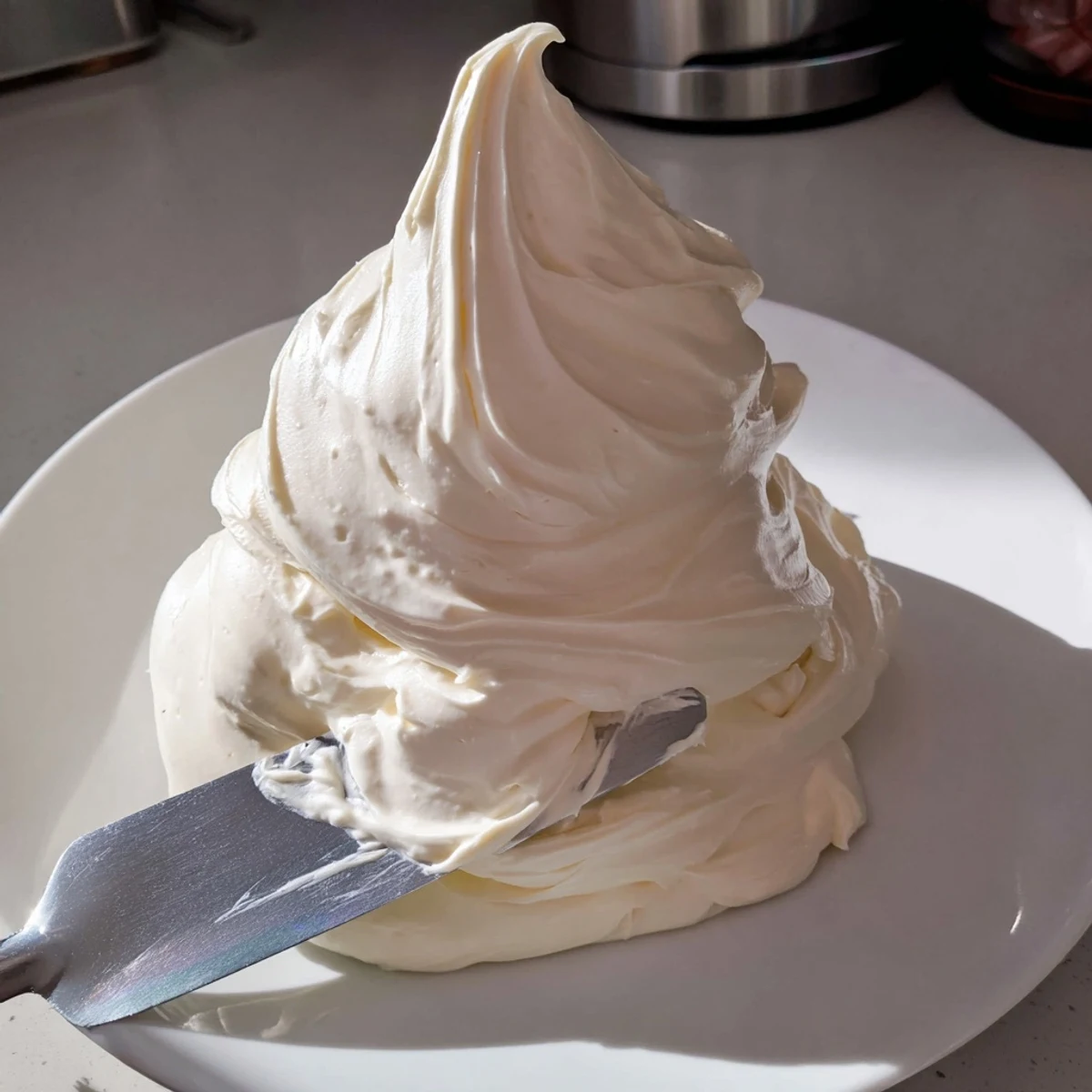
- Use the buttercream immediately for the best spreading consistency, or cover and refrigerate for up to five days, bringing it back to room temperature and giving it a quick rewhip before using.
 Save to Pinterest
 The morning of that wedding shower, I spread this buttercream across a simple vanilla layer cake and topped it with fresh raspberries. When my friend cut into it and the frosting held its perfect edge, she looked at me with genuine surprise and asked if I had secretly ordered from a bakery downtown.
Flavor Variations Worth Trying
Once you master the base recipe, the possibilities open up in every direction. Fold in sifted espresso powder for a mocha twist that pairs beautifully with chocolate cake. Melted and cooled dark chocolate transforms it into something impossibly rich, while a few tablespoons of raspberry puree add a tangy pink hue that looks stunning on almost anything.
Getting the Temperature Right
The single biggest factor between success and a soupy mess is temperature, and I learned this the hard way on a humid July afternoon when nothing wanted to cooperate. Your butter must be at room temperature, but not so warm that it is greasy or melting at the edges. The meringue must be completely cool before you start adding butter, or the fat will melt on contact and you will never achieve that cloud like texture.
Serving and Storing Smart
This buttercream is wonderfully stable at cool room temperature for a full day, making it a reliable choice for parties and gatherings where the cake will sit out for a while.
- If refrigerating, always let it come fully to room temperature before rewhipping, as cold buttercream will tear your cake apart.
- Avoid freezing decorated cakes for extended periods, as condensation can leave the surface looking mottled when thawed.
- Always give refrigerated buttercream a gentle rewhip to restore its silky, spreadable consistency before using.
 Save to Pinterest
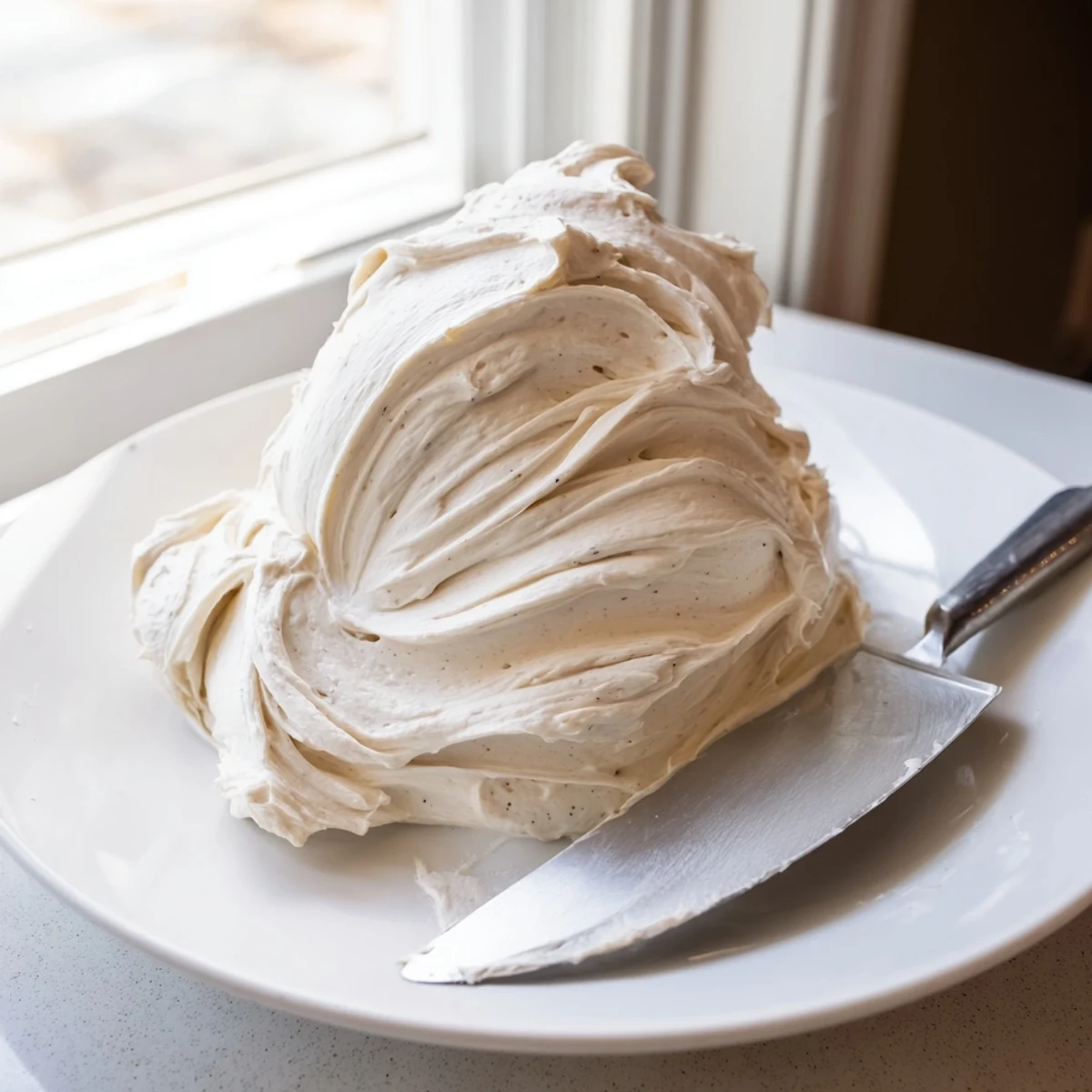
 Mastering this buttercream changed everything about how I approach baking, and I promise that once you get the feel for it, you will never go back to anything simpler. Your cakes deserve this kind of love.
Recipe FAQs
- → Why does my buttercream look curdled or soupy?
-
This is completely normal. When butter is added to the meringue, the mixture often appears curdled or separated before it emulsifies. Simply keep the mixer running on medium speed and within a few minutes it will transform into a silky, smooth buttercream.
- → Can I make Italian meringue buttercream ahead of time?
-
Yes, it stores beautifully. Refrigerate in an airtight container for up to five days or freeze for up to two months. Before using, let it come to room temperature completely, then re-whip on medium speed until it returns to a smooth, spreadable consistency.
- → What temperature should the butter be?
-
The butter must be at room temperature—soft enough to hold a fingerprint but not melted or greasy. Cold butter will cause the meringue to deflate and create lumps, while overly soft butter can make the frosting too loose and slippery.
- → Do I really need a candy thermometer?
-
A candy thermometer is strongly recommended because the sugar syrup needs to reach precisely 115°C (240°F) for the meringue to set properly. Without accurate temperature control, the syrup may be too soft or too hard, affecting the final texture and stability of the buttercream.
- → How can I flavor Italian meringue buttercream?
-
Add flavorings once the buttercream is fully emulsified and smooth. Espresso powder, cooled melted chocolate, citrus zest, fruit purées, and extracts all work beautifully. Start with small amounts and taste as you go—roughly one to two tablespoons of most add-ins per batch.
- → Why is my meringue not forming stiff peaks?
-
The most common cause is trace grease or yolk residue in the mixing bowl or on the whisk. Ensure all equipment is spotlessly clean and completely grease-free. Adding cream of tartar also helps stabilize the egg whites and encourages proper peak formation.