
 Save to Pinterest
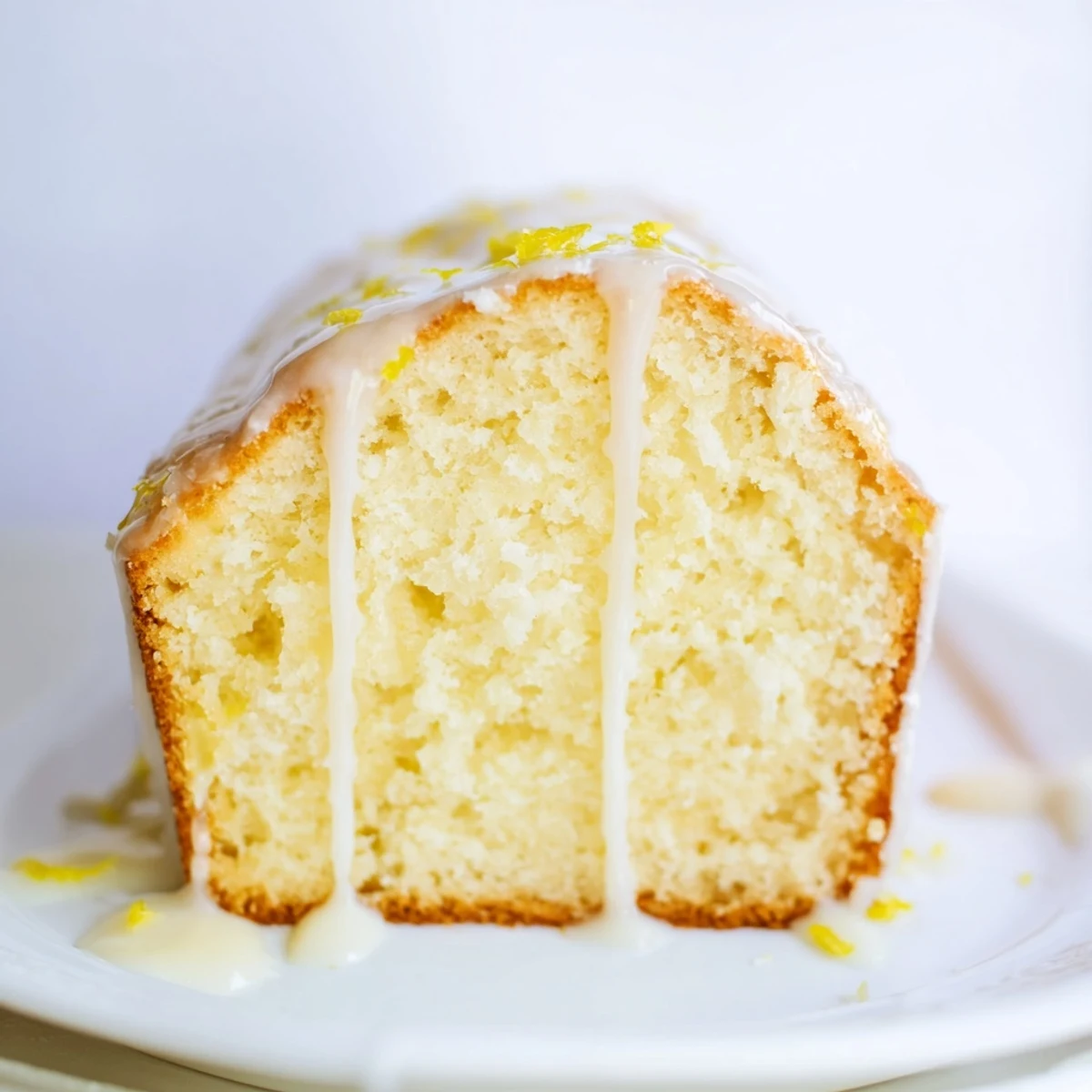
 This lemon bread loaf offers a moist, tender crumb brightened with fresh lemon zest and juice. A smooth lemon glaze adds a tangy finish that complements the soft texture, making it a delightful option for breakfast or snack. The batter combines flour, butter, sugar, eggs, and vanilla for a balanced sweetness with a fresh citrus kick. Baking until golden, then cooling before glazing ensures the perfect slice every time.
The first time I made lemon bread was on a gray Tuesday morning when I needed something to fill the quiet of my kitchen. I squeezed fresh lemons until my hands smelled like citrus, and as the batter came together, the whole house seemed to brighten. There's something about the smell of lemon and butter in the oven that turns an ordinary day into something worth remembering. By afternoon, golden slices sat cooling on the rack, and suddenly I understood why this simple loaf had become a neighborhood favorite.
I baked this for my sister on the morning she was moving across the country, and we sat on cardboard boxes eating warm slices with our coffee, not talking much, just being together. Years later she told me she'd made it dozens of times in her new kitchen, and that small memory of us sitting there became something precious to both of us. That's when I realized lemon bread isn't just breakfast—it's how you say goodbye, or hello, or I'm thinking of you.
Ingredients
- All-purpose flour (1 ½ cups): This is your structure, and measuring by weight matters more than you'd think—too much flour makes the crumb dense and tight.
- Baking powder and baking soda (1 teaspoon and ½ teaspoon): They work together to lift the bread gently without making it gummy or overly airy.
- Unsalted butter (½ cup): Softened to room temperature, it creams with sugar to trap tiny air bubbles that make the texture light.
- Granulated sugar (1 cup): This isn't just sweetness—it helps the butter create that tender crumb you're after.
- Eggs (2 large): They bind everything together and add richness that keeps the loaf moist for days.
- Fresh lemon zest (1 tablespoon): The zest holds the most intense lemon flavor, so don't skip it or substitute bottled—it's where the magic lives.
- Fresh lemon juice (⅓ cup plus 2–3 tablespoons for glaze): Bottled juice works in a pinch, but freshly squeezed lemons make all the difference in brightness and tang.
- Whole milk (½ cup): It softens the crumb and balances the acidity of the lemon so the bread doesn't taste harsh.
- Vanilla extract (1 teaspoon): A small amount that rounds out the flavor without announcing itself.
- Powdered sugar (¾ cup): For the glaze, sifted if lumpy, so it mixes smooth and pourable.
Instructions
- Prepare your pan and heat the oven:
- Preheat to 350°F and grease your 9x5-inch loaf pan with butter, then dust it with flour or line with parchment paper—this prevents sticking and gives you an even bake. A cold oven is your enemy here.
- Dry ingredients first:
- Whisk flour, baking powder, baking soda, and salt in a medium bowl and set aside. This distributes the leavening evenly so you don't get weird lumps of baking soda in your first bite.
- Cream the butter and sugar:
- Beat them together for 2–3 minutes until the mixture is pale, fluffy, and almost mousse-like—this is where the tenderness starts. You're literally whipping air into the butter.
- Add eggs and flavorings:
- Beat in eggs one at a time, letting each one fully incorporate before adding the next, then stir in lemon zest and vanilla. The zest will speckle the batter with bright yellow dots.
- Alternate wet and dry ingredients:
- Add the flour mixture in three parts, alternating with the lemon juice and milk, and start and end with flour—this prevents a lumpy batter and keeps the crumb tender. Stir just until combined and stop the second you don't see streaks of flour.
- Into the pan:
- Pour the batter into your prepared pan and smooth the top gently with a spatula. This simple step ensures even baking.
- Bake until golden:
- Bake for 45–55 minutes—the time depends on your oven's mood and how thick your batter is. A toothpick inserted in the center should come out clean or with just a few moist crumbs clinging to it, never wet batter.
- Cool with patience:
- Let the bread sit in the pan for 10 minutes so it sets slightly, then turn it out onto a wire rack to cool completely. Slicing a warm loaf tears it apart, so wait until it's truly cool.
- Make the glaze:
- Whisk powdered sugar with fresh lemon juice until it's smooth and pourable, then drizzle it over the cooled bread in thin, lazy lines. Let it set for a few minutes before slicing.
 Save to Pinterest
 There's a moment, right after you drizzle the glaze, when you step back and look at the loaf glistening on the cooling rack—the smell still hanging in the air, the kitchen suddenly warm and inviting—and you understand why people bake. It's not about the end result as much as it is about that quiet hour of intention and care.
Why Lemon Brightens Everything
Lemon is a mood in baking—it wakes up bland crumbs and gives them personality. I've learned that a little lemon juice in almost any cake or quick bread pushes it from forgettable to something people actually want to eat. The acid also keeps baked goods moist longer, which means this loaf stays tender in the container for days without turning into a brick. It's one of those small tricks that separates homemade from ho-hum.
Storage and Keeping
Wrapped tightly in plastic wrap or stored in an airtight container, this bread keeps for up to three days at room temperature without drying out. If you want to keep it longer, wrap it well and freeze it for up to two months—it thaws gently and tastes almost as fresh as the day you made it. I often make two loaves at once, freeze one, and thank myself weeks later when I need an instant breakfast or gift.
Ideas for Serving and Swapping
Plain slices are perfect with morning coffee, but the loaf shines alongside fresh berries, whipped cream, or even a thin spread of honey butter. You can make it dairy-free by swapping the butter for coconut oil and using almond or oat milk in place of whole milk—the result is slightly more delicate but just as lovely. If you're a lemon fanatic, add ½ teaspoon of lemon extract to the batter for an even more intense flavor.
- Toast day-old slices and top with ricotta and jam for a fancy breakfast.
- Crumble a slice into yogurt with granola for a texture-packed snack.
- Wrap individual slices in parchment and gift them—they travel better than you'd expect.
 Save to Pinterest
 Lemon bread tastes like kindness and intention baked into a loaf, the kind of simple thing that lingers in people's memories long after they've finished eating. Make this when you want to feel like yourself again, or when you want someone else to know they're thought of.
Recipe FAQs
- → What type of flour is best for this bread?
-
All-purpose flour works perfectly to create a tender crumb while supporting the structure of the loaf.
- → How can I enhance the lemon flavor?
-
Adding a little lemon extract or extra lemon zest to the batter intensifies the bright citrus notes.
- → What’s the best way to achieve a smooth glaze?
-
Whisk powdered sugar with fresh lemon juice until smooth and pourable, then drizzle evenly over the cooled loaf.
- → Can I use dairy-free alternatives?
-
Yes, swapping whole milk for almond milk and using dairy-free butter creates a dairy-free version without sacrificing moisture.
- → How should I store the loaf to keep it fresh?
-
Store in an airtight container at room temperature for up to 3 days, or freeze for up to 2 months to preserve flavor and texture.