
 Save to Pinterest
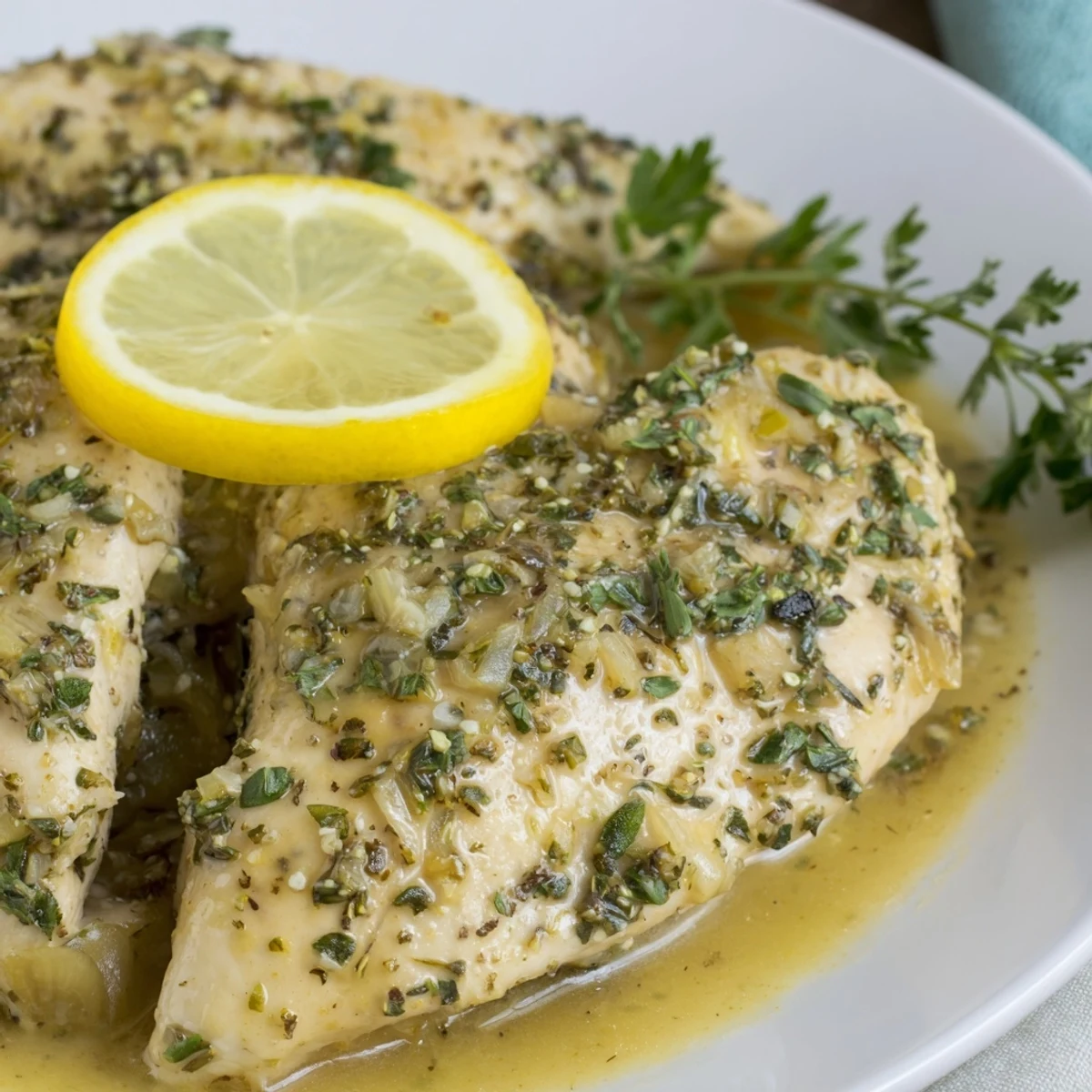
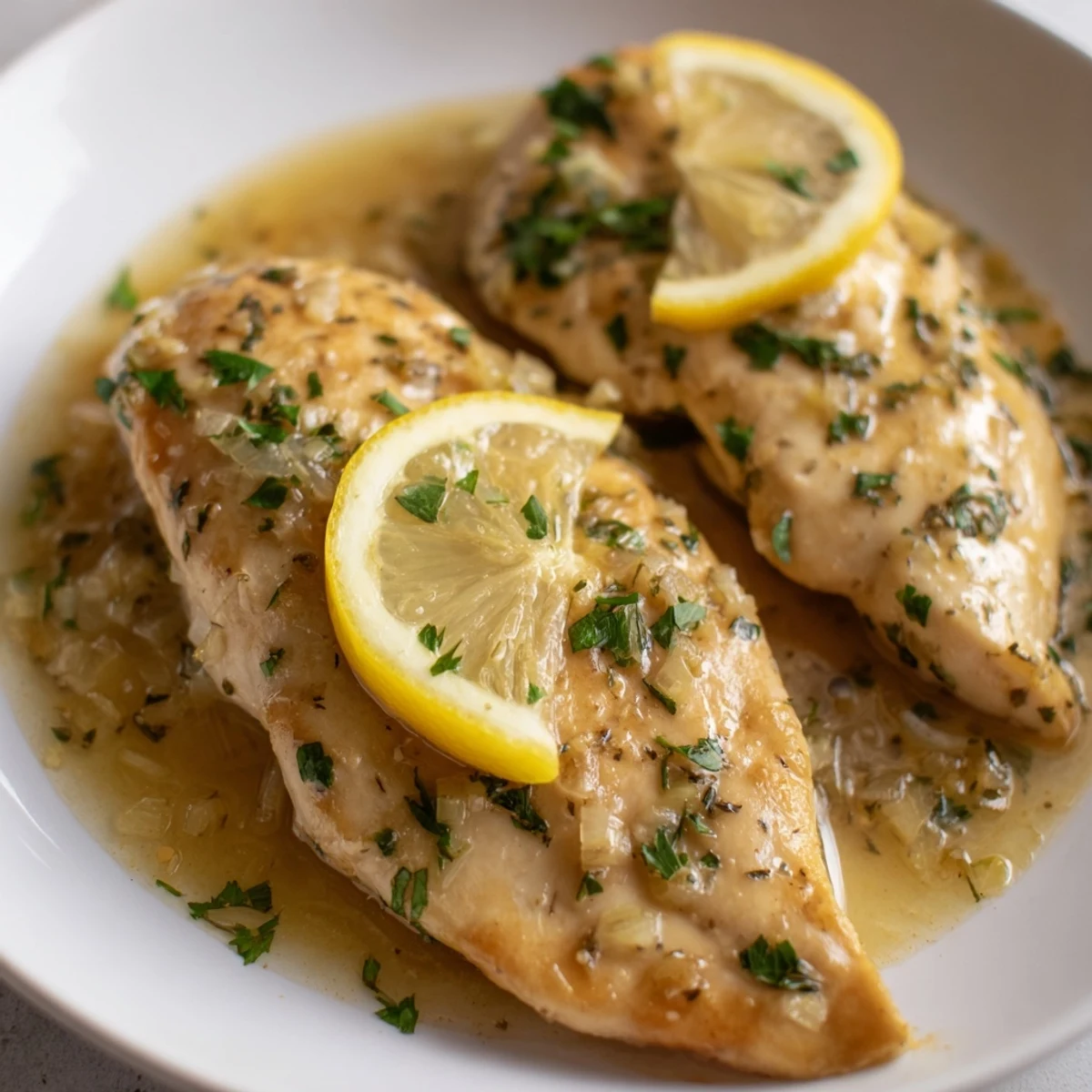
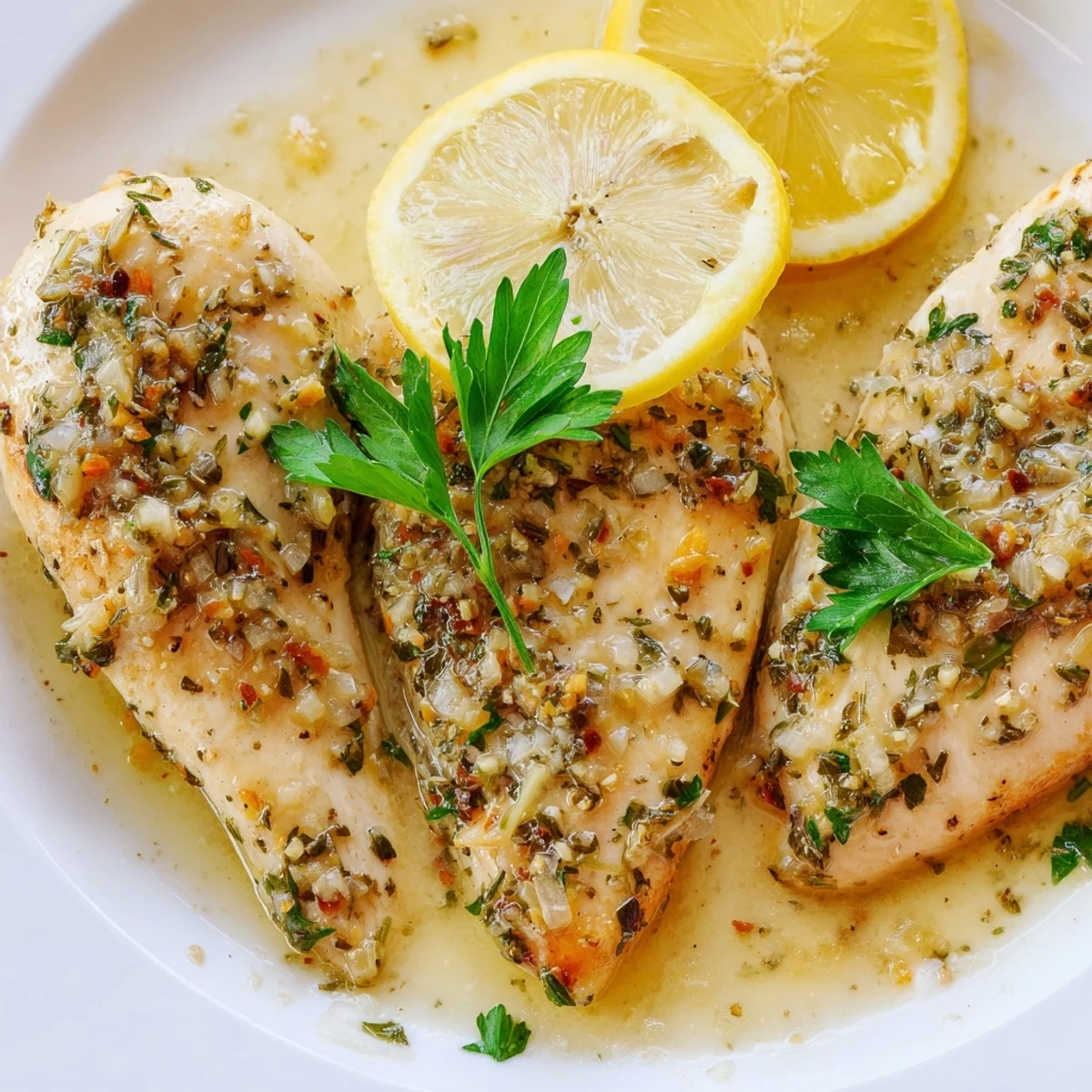
 This dish features tender chicken breasts infused with a zesty lemon and herb marinade, then seared to golden perfection. Finished in a skillet with a savory citrus sauce, it balances bright acidity with aromatic thyme, garlic, and a touch of honey. Garnished with fresh parsley and optional lemon slices, it offers a fresh and comforting flavor ideal for easy weeknight dinners or more special occasions.
I discovered this lemon chicken on a Tuesday night when I had nothing but chicken breasts and a lemon that'd been sitting on my counter for days. The combination of bright citrus with the salty depth of Dijon mustard became something I kept making, that kind of recipe you return to when you want something impressive but don't have much time. It's the type of dish that tastes like you've been in the kitchen for hours when really, you haven't.
I remember cooking this for my neighbor who'd just started cooking on her own, nervous and second-guessing every move. By the time the kitchen filled with that buttery-lemon smell, her whole face changed—she tasted it and just said 'oh' like she'd discovered something important. That moment sold me on keeping this recipe close; it's the kind of food that builds confidence in the kitchen.
Ingredients
- Chicken breasts (4, boneless and skinless): The canvas for everything else; make sure they're roughly the same thickness so they cook evenly without one side turning to rubber.
- Lemons (2 large, zested and juiced): You need both the zest and juice here—the zest gives you those tiny bursts of flavor throughout the sauce, while the juice brings the brightness that balances the richness of the olive oil.
- Olive oil (4 tablespoons total, divided): Three tablespoons go into the marinade to carry all those flavors, and one tablespoon goes into the skillet for a proper golden crust on the chicken.
- Garlic (2 cloves, minced): Mince it small so it dissolves into the sauce rather than sitting there in chunks; it should become a flavor you feel rather than a texture you notice.
- Honey (1 tablespoon): This isn't about sweetness—it's a binder that helps the sauce cling to the chicken and it softens the sharpness of all that lemon.
- Dijon mustard (1 teaspoon): The secret that makes people ask what you put in here; it adds a subtle tang and helps emulsify the sauce so it feels luxurious.
- Thyme (1 teaspoon dried or 1 tablespoon fresh): Fresh is better if you have it, but dried works just fine; it should smell a little woodsy and earthy.
- Salt and black pepper (1 teaspoon and 1/2 teaspoon): Taste as you go because the amount you need depends on your chicken broth's saltiness.
- Chicken broth (1/2 cup low-sodium): The low-sodium version is important because you're controlling the salt yourself; regular broth will make everything taste like a salt shaker.
- Fresh parsley and lemon slices (for garnish): This isn't decorative—the fresh parsley brings a clean note right at the end, and those lemon slices tell people immediately that this is a bright, citrus-forward dish.
Instructions
- Make the marinade:
- In a medium bowl, whisk together the lemon juice, zest, three tablespoons of olive oil, minced garlic, honey, mustard, thyme, salt, and pepper until everything is combined and the honey is fully dissolved. It should taste bright and slightly sharp—this is your flavor anchor.
- Marinate the chicken:
- Place your chicken breasts in a shallow dish and pour half the marinade over them, turning to coat every surface. Set the other half aside in a small bowl—this is your sauce-in-waiting. If you're in a hurry, even fifteen minutes at room temperature will work; if you have time, a couple hours in the fridge deepens everything.
- Sear the chicken:
- Heat one tablespoon of olive oil in a large skillet over medium-high heat until it shimmers and almost smokes. Remove the chicken from the used marinade and add it to the pan, letting it sit undisturbed for five to six minutes so it develops a golden, slightly crusty exterior. Flip and cook the other side the same way until the internal temperature hits 165°F, then transfer to a plate and drape loosely with foil to keep it warm.
- Build the sauce:
- Pour the reserved marinade and chicken broth into the same skillet where the chicken was, scraping up all those golden, stuck-on bits with a wooden spoon—that's flavor, not mess. Let it simmer gently for three to four minutes, watching as the sauce reduces slightly and becomes glossy.
- Finish the dish:
- Return the chicken to the skillet, spoon the sauce over the top, and let everything warm together for a couple minutes. This isn't about cooking the chicken more; it's about marrying the flavors and making sure every bite gets sauce.
- Plate and serve:
- Transfer to a plate, scatter fresh parsley over the top, and add a lemon slice or two if you have them. Serve right away while the sauce is still silky and the chicken is hot.
 Save to Pinterest
 There's something about the way a kitchen transforms when this is cooking—the lemon and thyme fill the whole space with a kind of quiet elegance that makes even a weeknight feel a little special. My partner walks through the kitchen door and just stops, inhaling, and I know I've already won the evening without saying a word.
Why This Works as Weeknight Dinner
The genius of this dish is that nothing requires your constant attention or tricky timing. The chicken marinates while you set the table or fold the laundry, the searing takes barely ten minutes, and the sauce comes together in the time it takes you to pour a glass of water. You're not juggling five pans or waiting for things to cool or trying to time everything perfectly—it all wants to work with you instead of against you.
What to Serve Alongside
I've served this with buttered rice, which soaks up the sauce in the best way possible, and with roasted baby potatoes that crisp up in the oven while you're dealing with the chicken. Sautéed green beans or a simple arugula salad tossed with lemon vinaigrette would be lovely too—anything that respects the brightness of the dish instead of trying to compete with it.
Variations and Personal Touches
Once you understand how this recipe works, you can play with it gently. I've added a splash of white wine when I had an open bottle, which rounds out the lemon with a subtle depth. I've switched in fresh tarragon for the thyme when I was feeling fancy, and it became an entirely different but equally lovely dish. You could use chicken thighs if you prefer them; they take a couple minutes longer and are more forgiving if you accidentally overcook them.
- A tiny pinch of saffron stirred into the sauce turns it golden and adds a whisper of something mysterious.
- Red pepper flakes at the very end bring heat that makes the lemon sing even brighter.
- If you use fresh herbs, add them after cooking so they stay vibrant and don't turn dark and tired.
 Save to Pinterest
 This is the kind of recipe I come back to when I want to feel like I'm taking care of people, including myself. It's simple enough that you're not stressed, but impressive enough that everyone leaves the table satisfied.
Recipe FAQs
- → What cut of chicken is recommended?
-
Boneless, skinless chicken breasts are ideal for even cooking and tenderness in this dish.
- → How long should the chicken marinate?
-
Marinate the chicken for at least 15 minutes at room temperature, or up to 2 hours refrigerated for deeper flavor.
- → Can other herbs be used instead of thyme?
-
Yes, fresh rosemary or oregano can be good alternatives to thyme for a different herbaceous note.
- → Is it possible to use chicken thighs instead?
-
Yes, chicken thighs can be substituted but require slightly longer cooking time to reach proper doneness.
- → What side dishes pair well with this chicken?
-
Rice, roasted potatoes, or sautéed vegetables complement the bright citrus flavors nicely.
- → How do I achieve the best sauce consistency?
-
Simmer the reserved marinade with chicken broth until slightly reduced to intensify flavor and thicken the sauce.