
 Save to Pinterest
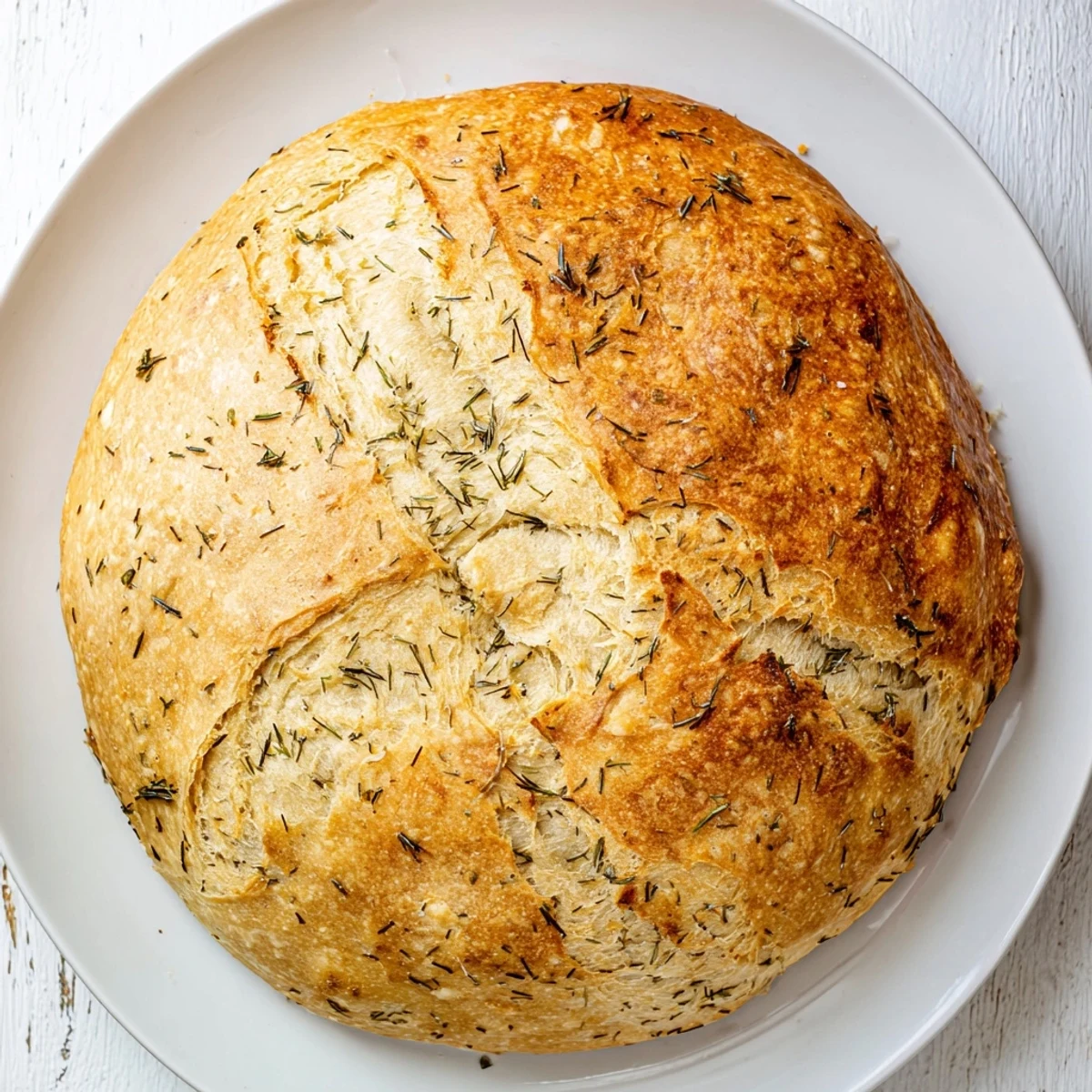
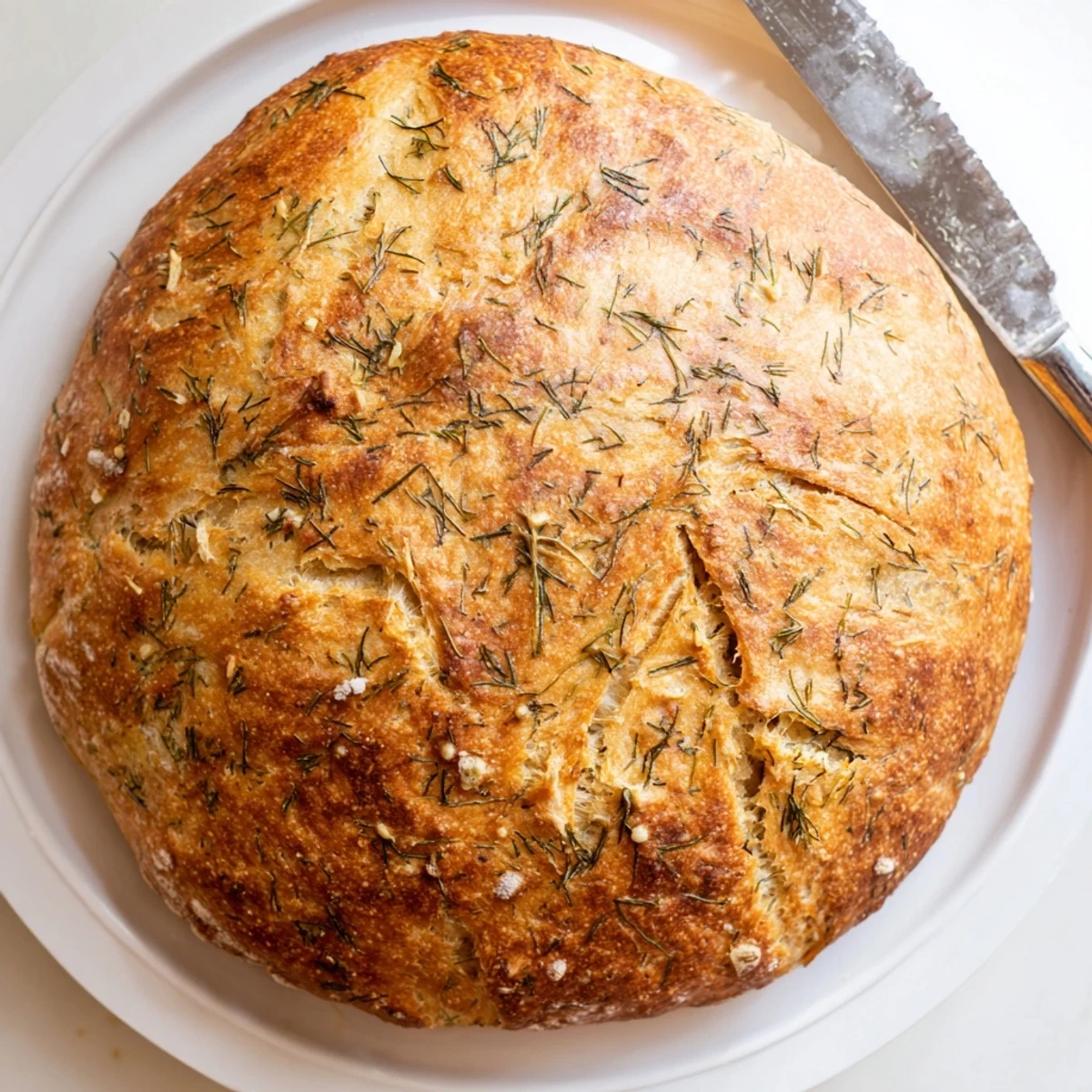
 This artisan-style bread combines the aromatic freshness of dill with rich, melted Gouda throughout each slice. The no-knead approach develops deep flavor during an overnight rise, while baking in a preheated Dutch oven creates that bakery-perfect golden crust and tender interior. Simply mix, wait, and bake for professional results with minimal hands-on time.
The smell of dill and melting cheese still takes me back to my tiny apartment kitchen where I first attempted no-knead bread. I had zero patience for fancy techniques but plenty of time to let dough do its thing while I binge-watched shows. That first loaf emerged with this crackly golden crust I could not stop tapping, and the inside was dotted with creamy pockets of Gouda that I burned my tongue on because I could not wait for it to cool properly.
My sister came over unexpectedly during those first experimental bread months, and I panicked because the dough looked like a complete disaster all shaggy and sticking to everything. We ended up drinking tea on the floor while watching the Dutch oven work its magic, and when I cracked that lid open, the aroma hit us so hard she actually stopped mid-sentence. She took home half the loaf wrapped in a towel, and called me the next morning demanding I teach her the method.
Ingredients
- Bread flour: Higher protein content than all-purpose gives you that beautiful structure and chew
- Salt: Do not reduce this because it balances the rich cheese and keeps fermentation in check
- Instant yeast: No proofing needed and it works perfectly with long, slow fermentation
- Gouda cheese: Grate it yourself because pre-shredded cheese has anti-caking agents that mess with your dough texture
- Fresh dill: The flavor pops so much more than dried, though dried works in a pinch with half the amount
- Lukewarm water: Think bath temperature, roughly 100°F, which wakes up yeast without killing it
Instructions
- Mix the dough:
- Combine flour, salt, and yeast in a large bowl, then stir in the Gouda, dill, and pepper until everything looks evenly distributed. Pour in the water and use a spatula to fold it all together until you have a sticky, shaggy mess that looks wrong but is exactly right.
- Let it work:
- Cover the bowl tight with plastic or a lid and walk away for 12 to 18 hours. The dough should bubble up and double in size, developing those gorgeous fermentation flavors that make bakery bread taste like bakery bread.
- Shape the loaf:
- Flour your counter generously because this dough is tacky, and scrape it out onto the surface. Use floured hands to tuck the edges underneath until you have a rough round, then plop it seam-side down on parchment paper and let it rest while the oven heats.
- Heat things up:
- Put your Dutch oven and its lid into the oven and crank it to 450°F for at least 30 minutes. That pot needs to be screaming hot to give you the crust and oven spring that makes this bread extraordinary.
- Bake covered:
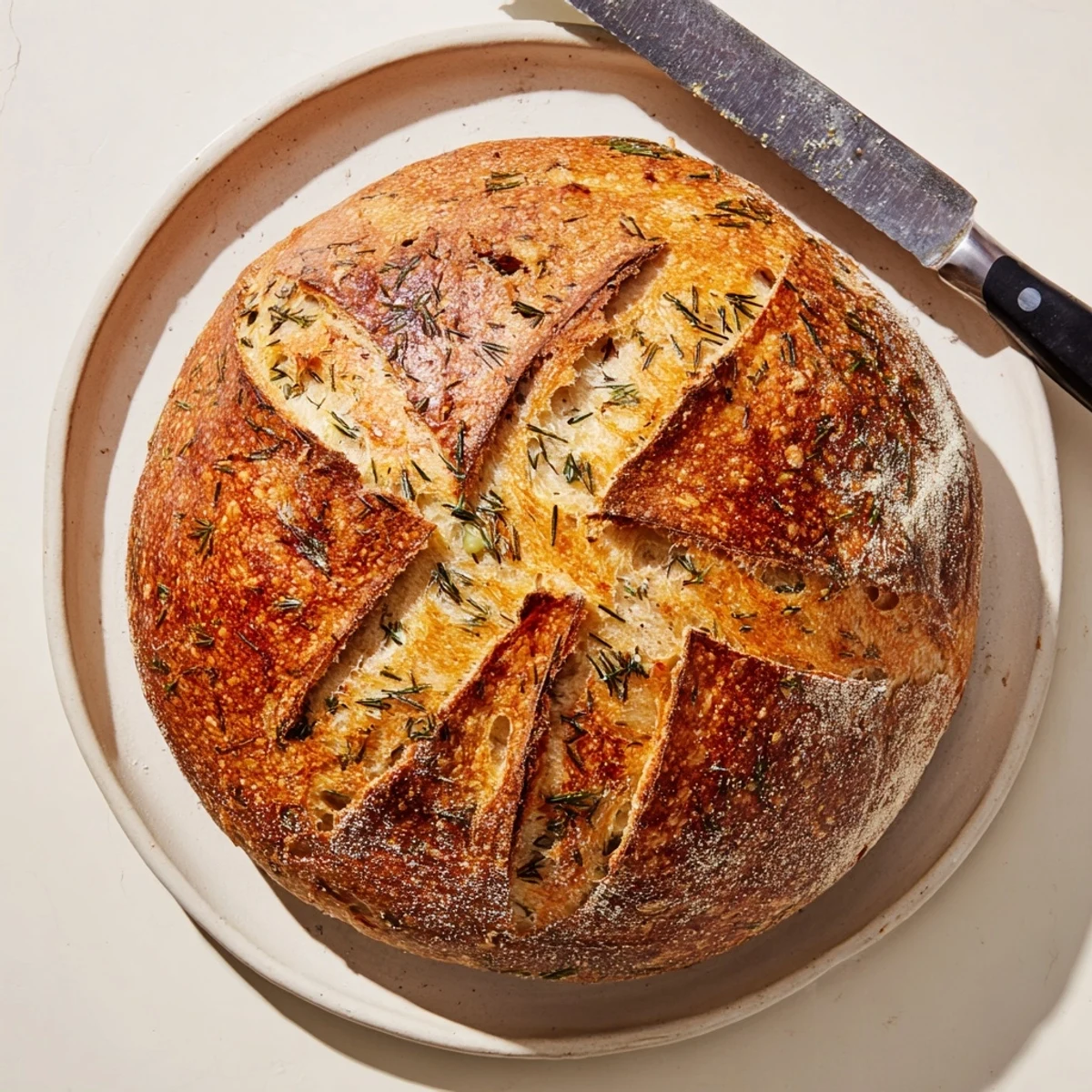
- Carefully lower the dough on its parchment into the scorching Dutch oven, slash the top with a knife, and cover immediately. Bake for 30 minutes trapped in its own steam, which creates that magical airy crumb inside.
- Crust it up:
- Remove the lid and let the bread bake another 15 to 20 minutes until it is the color of honey and sounds hollow when you tap the bottom. Cool on a wire rack for at least an hour because slicing hot bread ruins the texture, plus you will burn your fingers again like I did.
 Save to Pinterest
 Winter Sundays became my bread-making ritual, and the whole apartment would smell incredible all day long. My roommate started timing her study breaks around when the bread would come out of the oven, and we developed this system where she would make soup and I would handle the bread. Those simple meals felt so fancy, like we were running a tiny restaurant from our mismatched dining table.
Choosing Your Cheese
Gouda melts beautifully and adds this caramel-like richness that pairs perfectly with dill, but I have experimented with aged cheddar for something sharper or Emmental for a milder approach. The key is grating it coarsely so you get actual pockets of melted cheese throughout the crumb instead of disappearing into the dough. Smoked Gouda adds this incredible depth that makes the whole house smell like a campfire.
Fresh vs Dried Herbs
Fresh dill really does make a difference here, bringing this bright grassy flavor that cuts through the rich cheese, but do not stress if you only have dried. Just remember that dried herbs are more potent, so use one-third the amount and let it hydrate in the dough during the long rise. I have also swapped in chopped fresh rosemary or thyme, which changes the whole personality of the bread.
Storage and Serving Ideas
This bread keeps remarkably well wrapped in a cloth bag for up to three days, and actually makes the best toast when it is a day old because those crispy edges get even crunchier. I love slicing it thick and layering it with smoked salmon and cream cheese for breakfast, or dipping chunks into tomato soup when the weather turns cold. The structure holds up beautifully for sandwiches that do not fall apart halfway through eating.
- Revive day-old bread with a quick sprinkle of water and 10 minutes in a 350°F oven
- Freeze half slices on a baking sheet before transferring to a bag for quick weekday breakfasts
- Use slightly stale cubes for the most incredible savory bread pudding you have ever tasted
 Save to Pinterest
 There is something almost meditative about mixing dough before bed and waking up to this transformed, bubbling creation ready for the oven. This recipe turned me from someone who was intimidated by bread into someone who always has a starter going and experiments freely.
Recipe FAQs
- → Why does the dough need to rise for 12-18 hours?
-
The extended fermentation allows natural enzymes to break down flour proteins, developing complex flavor and making the dough easier to shape. This slow rise creates that signature airy, open crumb structure characteristic of artisan loaves.
- → Can I bake this without a Dutch oven?
-
While a Dutch oven creates the ideal steam environment for crust development, you can use a heavy baking stone or thick baking sheet. Create steam by placing a metal pan of hot water on the bottom rack while baking.
- → How do I know when the bread is fully baked?
-
The loaf should sound hollow when tapped on the bottom, and the crust should be a deep golden brown. An instant thermometer inserted into the center should read 190-200°F (88-93°C) for doneness.
- → Can I use dried dill instead of fresh?
-
Yes, substitute 1 tablespoon of dried dill for the 3 tablespoons fresh. Dried herbs are more concentrated, so use less. The flavor will still be delicious, though slightly less vibrant than fresh dill.
- → Why must the bread cool for an hour before slicing?
-
Slicing while hot releases trapped steam, leaving the interior gummy and dense. Cooling allows the crumb structure to set properly, ensuring each slice has that sought-after airy texture and prevents the loaf from collapsing.
- → What other cheeses work well in this loaf?
-
Aged cheddar adds sharpness, Emmental brings nutty notes with excellent melt, and Gruyère offers complex flavor. Avoid fresh cheeses like mozzarella that release too much moisture during baking.