
 Save to Pinterest
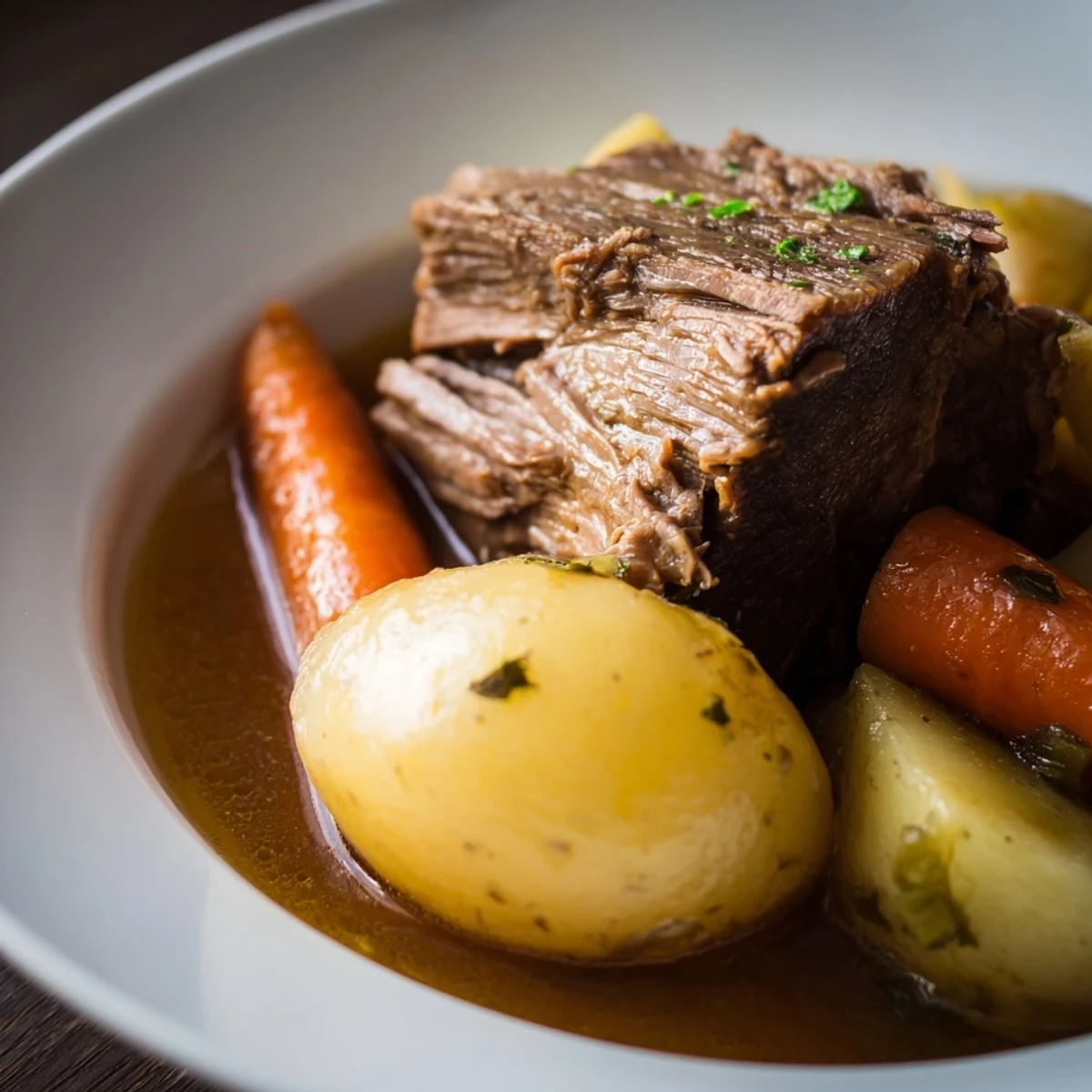
 This dish features tender cubes of beef chuck slowly braised alongside carrots, parsnips, onions, celery, garlic, and baby potatoes. The ingredients are cooked in a rich blend of red wine, beef stock, and tomato paste, infused with fresh rosemary, thyme, and bay leaves. Slow oven cooking melds the flavors, resulting in a deeply savory and comforting main course, perfect for sharing on a cozy evening. Adjust seasoning and optionally thicken the sauce for a luscious finish.
There's something about a pot of braised beef that fills a kitchen with warmth before you even take a bite. I discovered this particular version on a cold October evening when I had friends dropping by unexpectedly and a chuck roast sitting in the fridge. The smell alone—wine and herbs melding with caramelized beef—had everyone gathered in the kitchen within an hour, asking what they could do to help.
My partner still talks about the first time I made this—how the house smelled like a European bistro, and how we tore into crusty bread soaked in that glossy sauce. It was the kind of meal that made us both slow down and actually talk, without phones or distractions, just two bowls and good food.
Ingredients
- Beef chuck roast, 1.2 kg cut into large cubes: Chuck is the king of braising—it has just enough marbling and connective tissue that transforms into gelatin, making everything silky.
- Carrots and parsnips, 2 each peeled and sliced: The parsnips add an earthy sweetness that regular carrots alone can't match, creating depth.
- Onions and celery, 2 and 3 stalks chopped: These build the flavor foundation and practically melt into the sauce.
- Baby potatoes, 300 g halved: I use halves instead of whole so they cook evenly and soak up the braising liquid.
- Garlic cloves, 3 minced: Mince them small so they disappear into the sauce completely.
- Beef stock, 500 ml: Use the best stock you can find or make your own—it's the backbone of your sauce.
- Dry red wine, 250 ml: A wine you'd actually drink makes all the difference; cheap cooking wine tastes cheap.
- Tomato paste, 2 tbsp: This adds umami depth that rounds out all the other flavors beautifully.
- Olive oil, 2 tbsp: Use it for browning the beef and getting that crucial crust.
- Salt and pepper, 2 tsp and 1 tsp: Season generously in layers, tasting as you go.
- Fresh rosemary and thyme, 2 sprigs each: Fresh herbs make a noticeable difference; dried loses its brightness.
- Bay leaves, 2: Remove these before serving or warn your guests—biting into one is never pleasant.
- Worcestershire sauce, 1 tbsp optional: This is my secret weapon for that extra savory punch.
Instructions
- Get your oven ready:
- Preheat to 160°C (325°F). This low temperature is intentional—it allows the beef to braise gently and stay moist rather than toughening up.
- Season the beef:
- Toss your beef cubes with salt and pepper, making sure every piece is coated. Don't be shy with seasoning.
- Sear the beef in batches:
- Heat olive oil in your Dutch oven over medium-high heat until it shimmers. Brown the beef in batches, being patient and letting each side get a deep golden crust before moving pieces around. This takes about 12-15 minutes total and is worth every minute.
- Soften the vegetables:
- In the same pot with all those beautiful browned bits stuck to the bottom, add onions, carrots, parsnips, and celery. Sauté for about 5 minutes until they begin to soften, then add your minced garlic and cook for 1 more minute until fragrant.
- Build the sauce base:
- Stir in the tomato paste and cook for about 1 minute, letting it caramelize slightly against the pot. This deepens its flavor.
- Deglaze with wine:
- Pour in your red wine, scraping the bottom of the pot with a wooden spoon to lift all those flavorful browned bits. Let it simmer for 2 minutes so some of the alcohol cooks off.
- Bring everything together:
- Return the beef to the pot, then add the baby potatoes, beef stock, rosemary sprigs, thyme sprigs, bay leaves, and Worcestershire sauce if using. Stir gently to combine everything.
- Move to the oven:
- Bring the pot to a gentle simmer on the stovetop, then cover it and transfer to your preheated oven. The oven's gentle, even heat is what transforms tough beef into something spoon-tender.
- Let it braise:
- Leave it undisturbed for 2 to 2.5 hours. You'll know it's done when the beef falls apart easily with a fork and the vegetables are completely soft. Resist the urge to peek too often.
- Final touches:
- Remove from the oven, fish out the herb sprigs and bay leaves, and taste for salt and pepper. Adjust as needed and serve hot in shallow bowls with plenty of that gorgeous sauce.
 Save to Pinterest
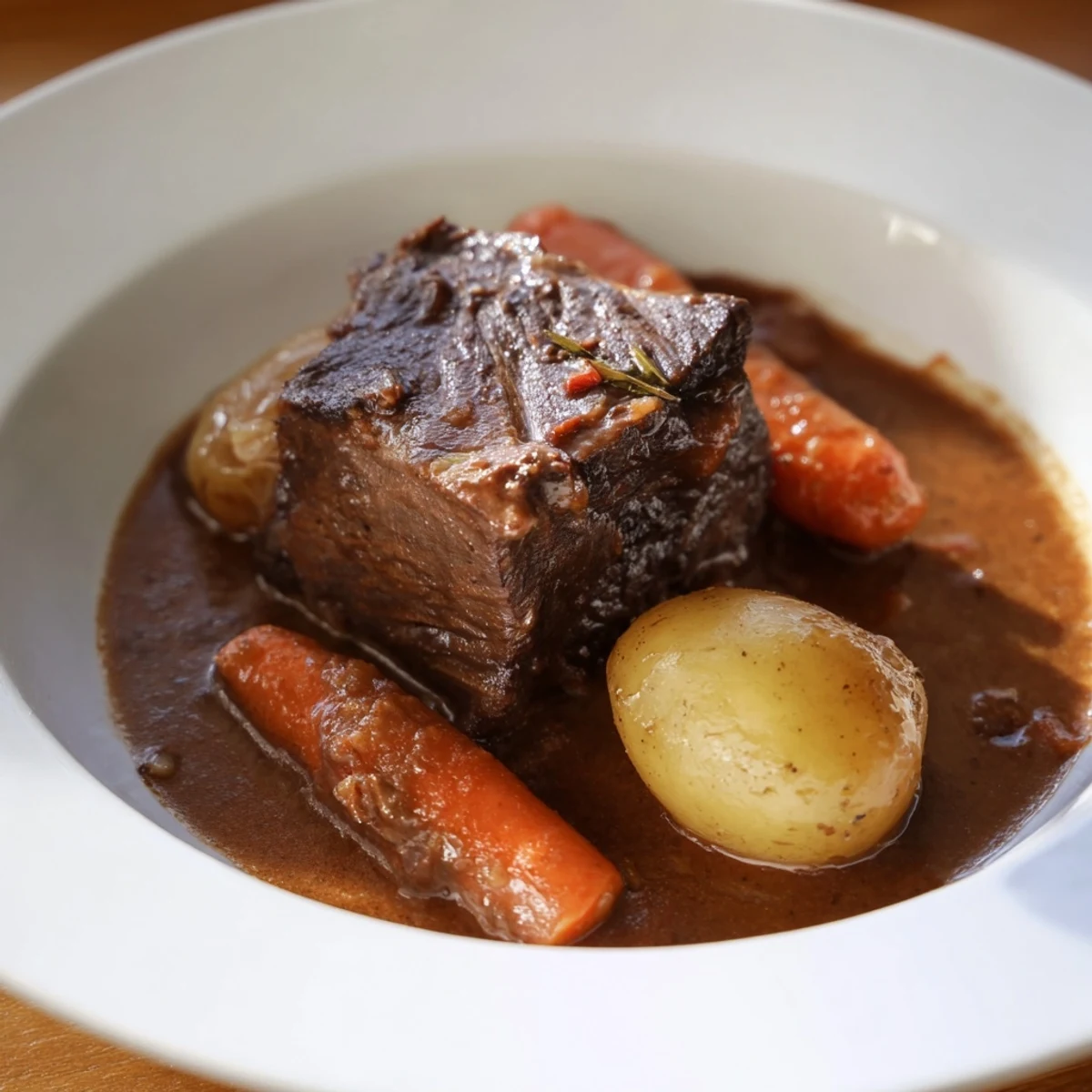
 There's a quiet magic that happens when you open the oven door and that first wave of herbed, beefy steam hits your face. It's the moment you know everything is going to be okay.
Why This Braise Works
Braising is one of those cooking techniques that rewards patience and punishes rushing. The long, slow heat breaks down the collagen in beef chuck into gelatin, which makes the sauce silky and the meat incredibly tender. Low temperature keeps everything moist instead of drying things out, and the covered pot creates its own humid environment where everything steams gently in its own flavorful liquid.
Serving and Pairing Ideas
I serve this over creamy mashed potatoes so they can soak up every drop of sauce, but crusty bread works beautifully too. A simple green salad on the side cuts through the richness and refreshes your palate between bites. If you want wine pairing, the same red wine you use in the braise works perfectly in your glass—it ties everything together.
Storage and Make-Ahead Tips
This braise actually tastes better the next day after flavors have melded overnight. Store it in an airtight container in the fridge for up to 4 days, or freeze for up to 3 months. Simply reheat gently on the stovetop, adding a splash of stock if the sauce has thickened too much.
- Make this the day before entertaining so you're not stuck in the kitchen while guests arrive.
- You can prep all the vegetables in the morning and keep them in separate containers, making assembly quick.
- Substitute beef with lamb or pork if you want a different flavor profile—they braise beautifully too.
 Save to Pinterest
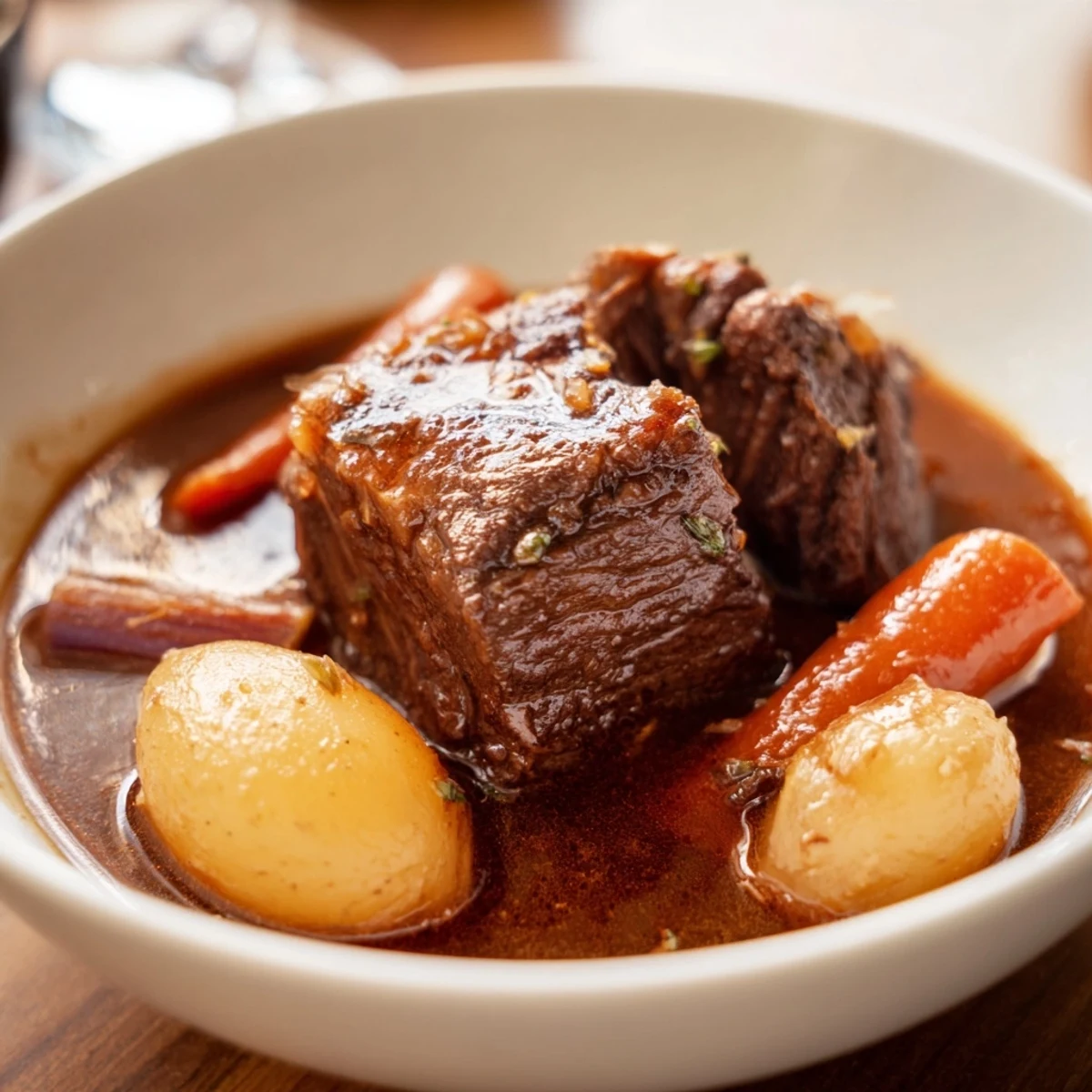
 This is the kind of meal that makes people feel cared for without needing to be complicated. Once you make it once, it becomes part of your regular rotation.
Recipe FAQs
- → What cut of meat is best for this braised dish?
-
Beef chuck roast is ideal due to its marbling and connective tissues, which break down during slow cooking, yielding tender, flavorful meat.
- → Can I substitute the root vegetables with others?
-
Yes, feel free to use vegetables like turnips, rutabagas, or sweet potatoes to vary the flavor profile while keeping a hearty texture.
- → Is it necessary to deglaze the pot with wine?
-
Deglazing with red wine lifts flavor-packed browned bits from the pot, enriching the sauce, though broth or vinegar can be alternative liquids.
- → How can I thicken the sauce if desired?
-
Remove the lid in the last 30 minutes of cooking to reduce liquid or stir in a cornstarch slurry off heat to gently thicken the sauce.
- → What herbs complement this dish best?
-
Fresh rosemary, thyme, and bay leaves add aromatic depth and balance the richness of the beef and vegetables.