
 Save to Pinterest
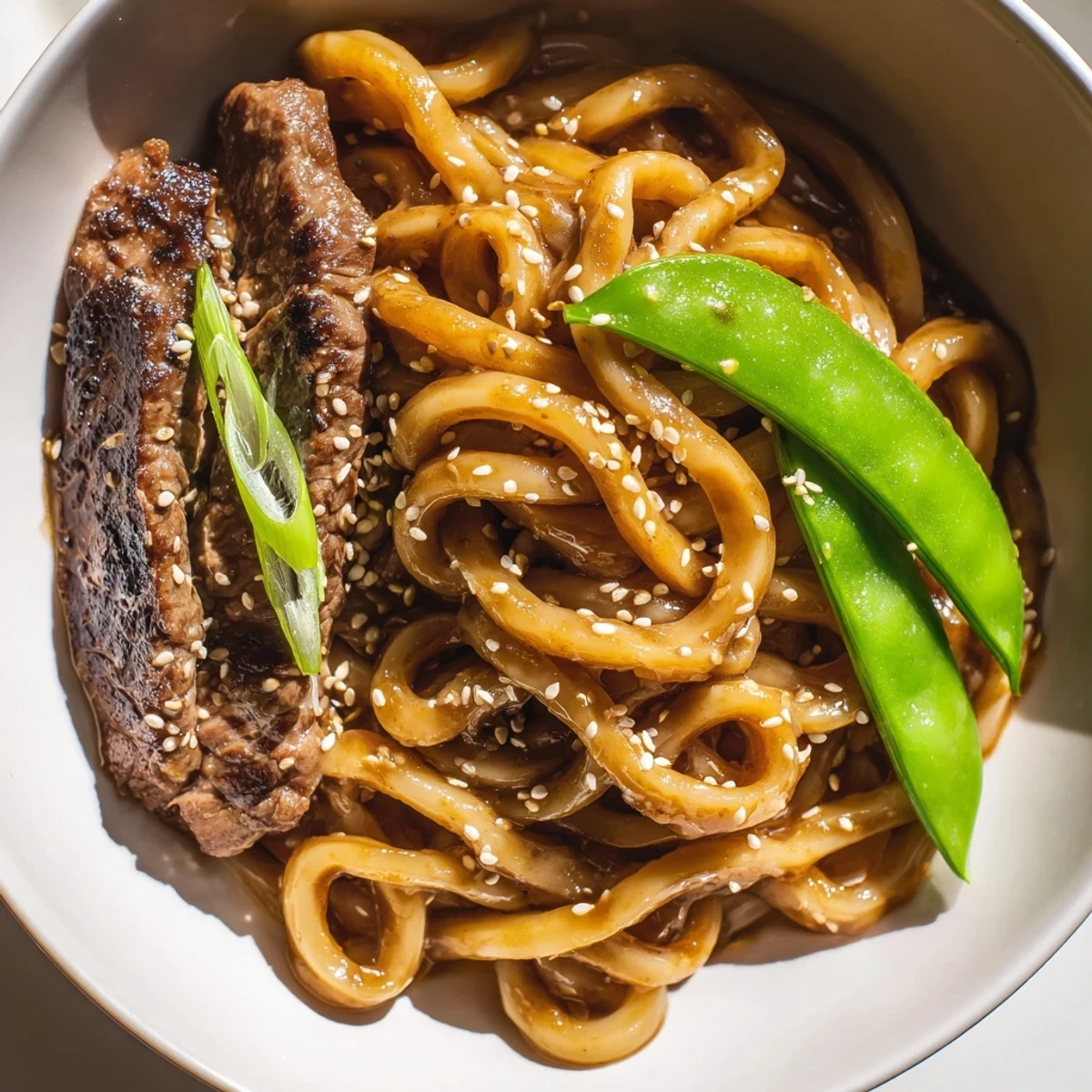
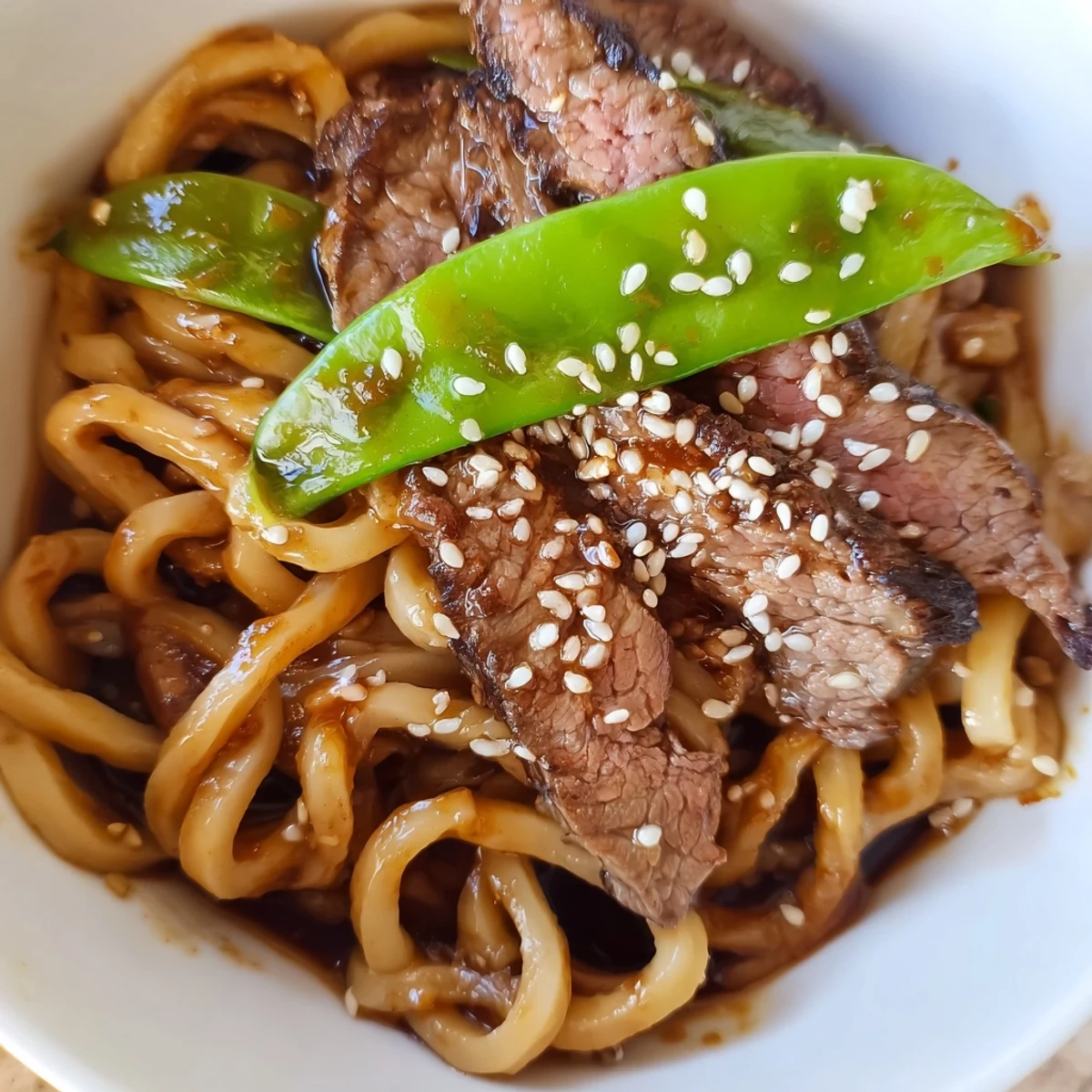
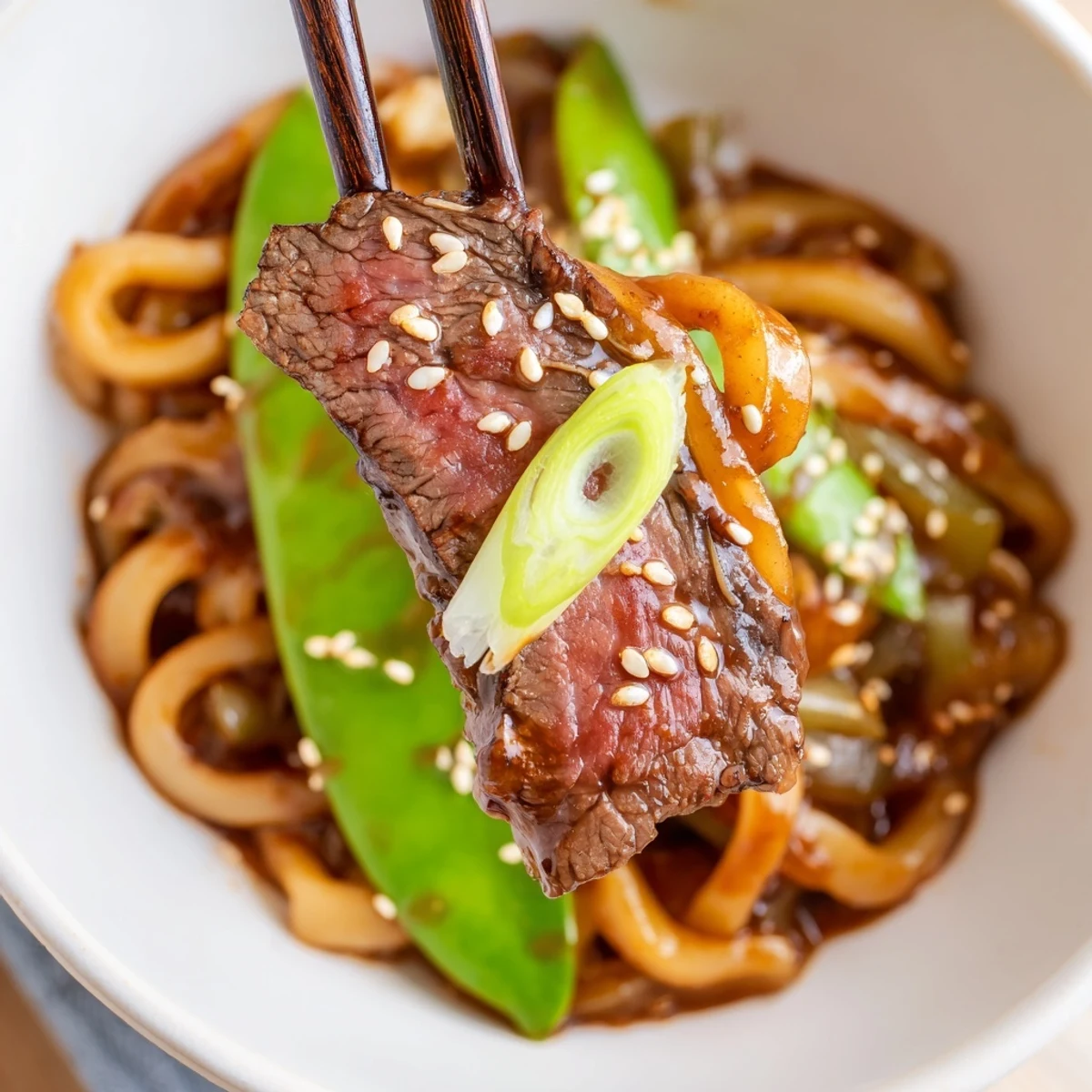
 This flavorful dish features thinly sliced beef marinated with soy and sesame oil, stir fried with crisp bell peppers, snap peas, and carrots. Fresh udon noodles are combined with a savory, spicy sauce made from soy, oyster, sriracha, and mirin, then tossed together for a quick, bold meal. Garnished with spring onions and optional toasted sesame seeds, it offers a balanced blend of textures and a lively kick, perfect for a medium-level cooking adventure.
There's something about the sizzle of a hot wok that makes me feel like I'm cooking in a real kitchen instead of my own cramped apartment. The first time I made this spicy beef udon, I was trying to recreate a meal from a tiny restaurant near my old office, the kind where the cook barely looked up but always got your order exactly right. What started as a hopeful experiment with whatever vegetables I had on hand turned into something I've made dozens of times since, each batch a little faster than the last.
I made this for my sister when she visited last fall, worried the whole time that I was overcooking the beef or underseasoning the sauce. She ate three bowls without saying much, which in her language meant everything, and then asked for the recipe before she left. That's when I knew I'd actually figured something out in the kitchen.
Ingredients
- Sirloin steak, thinly sliced (400 g): Cut against the grain for maximum tenderness; if your knife is dull, the beef will shred instead of slice cleanly, so sharpen it first.
- Cornstarch (1 tbsp): This is what gives the beef its silky, restaurant-quality texture—don't skip it or use flour as a substitute.
- Soy sauce (1 tbsp for beef, 3 tbsp for sauce): The backbone of flavor; use a good quality brand because cheap soy sauce tastes thin and hollow.
- Sesame oil (1 tsp): A little goes a long way, and it should smell nutty and toasted, never sharp or bitter.
- Fresh udon noodles (400 g): These are chewy and substantial; fresh noodles are worth seeking out because dried ones turn mushy too easily.
- Red bell pepper, carrot, and sugar snap peas: Use the freshest vegetables you can find because they'll stay crisp when you cook them hot and fast.
- Garlic and ginger: Mince the garlic finely and grate the ginger so both dissolve into the sauce rather than remaining chunky.
- Sriracha or chili garlic sauce: This is your heat control; start with less and taste as you go rather than ending up with something too spicy to eat.
- Oyster sauce (1 tbsp): A umami bomb that deepens the savory notes; there's no real substitute, though soy sauce alone won't give you the same richness.
- Mirin (2 tbsp): Sweet and slightly thick, it balances the salt and adds shine to the final dish.
- Brown sugar and rice vinegar: Together they create a subtle sweet-sour undertone that makes you want another bite.
- Vegetable oil (2 tbsp): Use something neutral that can handle high heat; olive oil will burn and taste acrid.
Instructions
- Coat the beef with flavor:
- Toss your sliced beef with cornstarch, soy sauce, and sesame oil in a bowl, stirring until every piece is lightly coated. This 10-minute rest isn't just about waiting; the cornstarch starts to draw out moisture from the beef, which helps it brown faster when it hits the hot oil.
- Mix the sauce:
- Whisk together soy sauce, oyster sauce, sriracha, mirin, brown sugar, and rice vinegar in a small bowl until the sugar dissolves completely. Taste it straight from the spoon—it should make your mouth water with salt, heat, and a hint of sweetness all at once.
- Cook the noodles:
- Follow the package instructions exactly, because even 30 seconds too long and udon noodles go from chewy to mushy. Drain them well and toss with a tiny splash of oil so they don't stick together.
- Sear the beef:
- Heat 1 tablespoon of oil in your wok or largest skillet over high heat until it shimmers and just barely smokes. Work quickly here—lay the beef in a single layer and don't touch it for 1 to 2 minutes, letting it develop a golden crust on the bottom. The beef should still feel soft when you press it because it will cook more later.
- Cook the vegetables:
- Push the beef to the side, add the remaining oil, and throw in your garlic and ginger, stirring constantly for about 30 seconds until the smell hits you and fills your whole kitchen. Add the bell pepper, carrot, and sugar snap peas, tossing everything together for 2 to 3 minutes, stopping when the vegetables are bright colored but still snap when you bite them.
- Bring everything together:
- Return the beef to the wok, add the cooked udon noodles, and pour in your prepared sauce, tossing continuously for 2 to 3 minutes until the noodles are glossy and every piece of beef and vegetable is coated. This is where the magic happens and the whole dish comes alive with color and aroma.
- Finish with spring onions:
- Stir in the sliced spring onions right before you turn off the heat, so they stay fresh and bright rather than wilting into the dish. Taste the sauce and adjust the heat or salt if needed—the flavors should be bold and confident, not timid.
 Save to Pinterest
 One night after a long week, I made this for myself with the last of my vegetables and beef, and I sat at my kitchen table eating directly from the wok instead of bothering with a bowl. It was the moment I realized that good food made with your own hands tastes better than anything delivered, not because it's fancier, but because you know exactly what went into it and why.
Heat and Spice Control
The beauty of this dish is that the heat level is completely in your hands. I learned early on that adding spice gradually is easier than trying to cool something down that's become too hot, so start with less sriracha than you think you want and taste the finished sauce before you combine everything. Some nights I make it gentle enough for friends who can't handle heat, other nights I add an extra tablespoon because I'm craving something that makes me feel alive.
Variations Worth Trying
Beef is my preference because it browns so beautifully, but I've made this with chicken thighs (which stay juicy), shrimp (which only needs 30 seconds in the pan or it becomes rubber), and pressed tofu (which absorbs the sauce like a sponge and satisfies vegetarian friends). Bean sprouts stirred in at the very end add a fresh crunch that contrasts with the hot noodles and sauce.
Wok Wisdom and Timing
The secret to making this taste like it came from a real restaurant is heat and speed—your wok needs to be screaming hot, and you need to keep everything moving. The vegetables should never sit still long enough to lose their color, and the beef should spend just enough time in the pan to brown but not long enough to become tough and chewy. Have everything prepped and ready before you turn on the heat, because once you start, there's no time to chop garlic or measure sauce.
- A wok is ideal, but a large deep skillet works just fine if that's what you have.
- Don't wash your wok with soap if it's well-seasoned—just wipe it clean with oil, which preserves the nonstick surface built up over time.
- If you find yourself rushing, it's better to cook in two batches than to crowd the pan and end up with steamed instead of seared food.
 Save to Pinterest
 This stir fry has become one of those meals that tastes impressive enough to serve to guests but honest enough to make for yourself on a quiet Tuesday night. It's the kind of recipe that teaches you something every time you make it, whether it's about heat control, timing, or why your kitchen suddenly smells like a restaurant you love.
Recipe FAQs
- → How do I prevent the beef from overcooking?
-
Seer the beef quickly on high heat for 1–2 minutes to brown it without fully cooking, then add it back later to finish cooking with the noodles.
- → Can I substitute udon noodles with another type?
-
Yes, thick rice noodles or lo mein noodles work well as alternatives, maintaining a chewy texture.
- → How can I adjust the spice level?
-
Modify the amount of sriracha or chili garlic sauce in the sauce to suit your preferred heat intensity.
- → What can I use instead of beef for this dish?
-
Chicken, tofu, or shrimp are good alternatives, offering different flavors while fitting well with the sauce and vegetables.
- → What is the best way to keep vegetables crisp?
-
Stir fry vegetables quickly over high heat for 2–3 minutes, ensuring they remain tender-crisp rather than soft.